

Agrivoltaics: Where Solar Innovation Meets Sustainable Farming
As the world grapples with the dual challenge of feeding a growing population and transitioning to clean energy, agrivoltaics the integration of agriculture and photovoltaic energy systems has emerged as a promising solution. This innovative model transforms how we use land, enabling it to serve both as a source of food and renewable energy.
Agrivoltaics, often referred to as “solar sharing,” is more than a technological advancement it represents a paradigm shift in sustainability. By combining the strengths of farming and solar power, it creates a balanced ecosystem where neither energy nor agriculture has to compete for space.
The Synergy Between Farming and Solar Energy
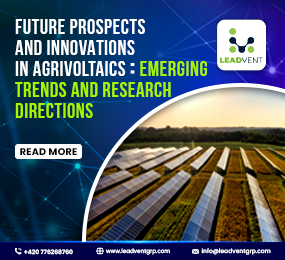
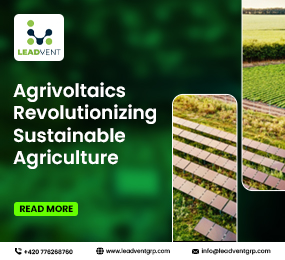
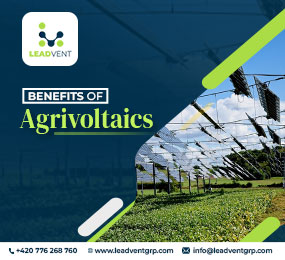
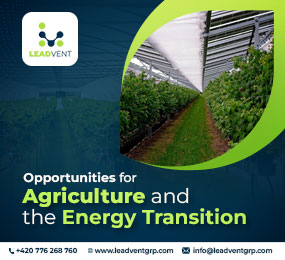
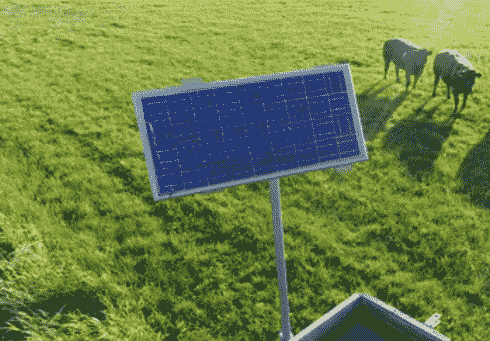
At its core, agrivoltaics involves installing solar panels above or alongside crops. The panels are strategically elevated to allow sunlight to reach the plants below, while also capturing solar energy for electricity generation. This dual-use approach not only maximizes land efficiency but also offers a new revenue stream for farmers.
The benefits are manifold. Solar panels provide partial shading, reducing water evaporation from the soil and helping crops maintain moisture especially in arid regions. Meanwhile, the panels themselves stay cooler due to the vegetation beneath, improving their energy conversion efficiency. This symbiotic relationship creates a win-win scenario for both the agricultural and energy sectors.
Moreover, agrivoltaic systems offer climate resilience. During heatwaves, shaded crops can survive extreme temperatures better, while farmers gain a consistent income from solar production even if yields fluctuate due to weather. It’s a model that supports both food and energy security two of the most critical needs of our time.
Economic and Environmental Potential
The economic impact of agrivoltaics extends beyond farms. It encourages rural development, creates green jobs, and reduces dependence on fossil fuels. Governments across Europe, Africa, and Asia are already supporting pilot projects that combine solar farms with vineyards, vegetable cultivation, and even livestock grazing.
From an environmental perspective, agrivoltaics reduces carbon emissions, preserves biodiversity, and prevents soil degradation. By promoting efficient land use, it lessens deforestation pressure and contributes to sustainable land management practices.
However, successful implementation requires careful planning. The choice of crops, panel height, spacing, and tilt angle must all be optimized to ensure mutual benefit. Collaboration between farmers, engineers, and policymakers is crucial to refining these systems for regional conditions.
Takeaway:
Agrivoltaics offers a visionary path toward sustainability one that unites renewable energy and agriculture rather than forcing them to compete. By transforming farmland into multifunctional landscapes that yield both food and clean power, agrivoltaics stands as a cornerstone of the global transition to a greener, more resilient future. As innovation and collaboration grow, this synergy between sun and soil has the potential to reshape how we think about sustainability for generations to come.
Learn more on our website: https://www.leadventgrp.com/event/4th-annual-agrivoltaics-europe/register
For more information and group participation, contact us: [email protected]
Leadvent Group - Industry Leading Events for Business Leaders!
www.leadventgrp.com | [email protected]






Comment