

Automotive Safety: Advancing Protection, Trust, and Responsibility on the Road
Automotive safety has always been a defining measure of progress in the mobility sector. From the earliest seat belts to today’s advanced driver assistance systems, the industry’s primary responsibility remains unchanged: protecting lives. As vehicles become more connected, automated, and software-driven, safety has evolved into a broader, more complex discipline that blends engineering excellence with human understanding.
At its foundation, automotive safety is built around two core principles: preventing accidents and minimizing harm when incidents occur. Traditional passive safety features such as airbags, crumple zones, and reinforced vehicle structures continue to play a vital role in reducing injury during collisions. At the same time, active safety systems are designed to help drivers avoid accidents altogether. Technologies like automatic emergency braking, lane-keeping assistance, adaptive cruise control, and blind-spot monitoring are now becoming standard rather than optional features.
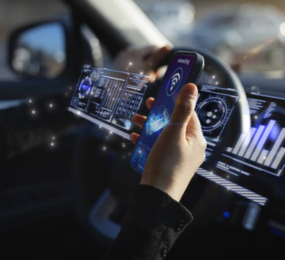
What sets modern automotive safety apart is the growing role of electronics and software. Vehicles today rely on millions of lines of code to manage everything from braking systems to steering and power distribution. This has introduced new safety considerations, including functional safety and cybersecurity. Ensuring that electronic systems behave predictably, even in the event of a fault, is now just as important as mechanical reliability. Standards such as ISO 26262 have helped establish clear frameworks for managing these risks across the vehicle lifecycle.
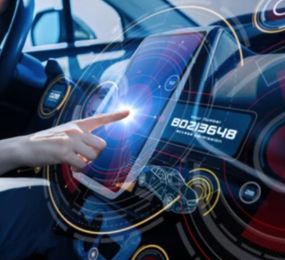
Human behavior remains a critical factor in road safety. Even the most advanced systems must be designed with real drivers in mind. Clear interfaces, intuitive alerts, and well-balanced levels of automation are essential to avoid confusion or overreliance on technology. Automotive safety, therefore, is not only about innovation but also about understanding how people interact with vehicles in everyday situations.
Regulation has played a key role in raising safety standards globally. Governments and safety organizations continue to update requirements based on real-world data and evolving technologies. Crash testing protocols, safety ratings, and compliance frameworks push manufacturers to meet higher benchmarks, while also giving consumers clearer information when choosing a vehicle. These regulations create a common baseline of protection, regardless of market or region.
Another important shift in automotive safety is the growing focus on vulnerable road users. Pedestrians, cyclists, and motorcyclists are increasingly considered in vehicle design through features such as pedestrian detection, external airbags, and improved
visibility. This reflects a broader understanding that road safety extends beyond those inside the vehicle.
As the industry moves toward electrification and higher levels of automation, safety will remain central to public acceptance. Trust is built when systems perform reliably, communicate clearly, and prioritize human wellbeing. Manufacturers, suppliers, and regulators must continue to collaborate, ensuring that innovation is matched with responsibility.
In the end, automotive safety is not a finished achievement but an ongoing commitment. Every improvement, whether large or small, contributes to fewer accidents, reduced injuries, and greater confidence on the road. It is this continuous pursuit of protection that defines true progress in mobility.
Takeaway Point
Automotive safety succeeds when technology, regulation, and human-centered design work together, creating vehicles that not only move people efficiently but protect lives consistently and responsibly.
Learn more on our website: https://www.leadventgrp.com/event/3rd-annual-automotive-functional-safety-forum/register
For more information and group participation, contact us: [email protected]
Leadvent Group - Industry Leading Events for Business Leaders!
www.leadventgrp.com | [email protected]














Comment