

CEE Hydrogen: A Practical Pathway to a Low-Carbon Economy
Across Central and Eastern Europe (CEE), the energy transition is no longer a distant ambition. It is becoming a practical, investment-driven reality. Among the solutions gaining momentum, hydrogen stands out as a versatile energy carrier with the potential to reshape how the region powers its industries, transport systems, and energy networks.
The CEE region brings a unique context to the hydrogen conversation. Many countries remain heavily reliant on fossil fuels, particularly coal and natural gas, while also hosting energy-intensive industries such as steel, chemicals, and manufacturing. Hydrogen offers a realistic route to decarbonize these sectors where electrification alone is not sufficient.
Green hydrogen, produced using renewable electricity, is central to this vision. As wind and solar capacity expand across CEE, excess renewable power can be converted into hydrogen and stored for later use. This creates flexibility in the energy system and reduces curtailment of renewable generation. For countries balancing grid stability with growing renewable penetration, hydrogen becomes not just a fuel, but a system enabler.
Industry is expected to be one of the earliest adopters. Refineries, fertilizer producers, and heavy manufacturing facilities already use hydrogen in various processes, making the transition to low-carbon hydrogen a logical next step. Pilot projects across the region are demonstrating how hydrogen can replace fossil-based feedstocks without compromising performance or competitiveness.
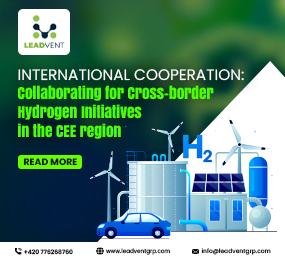
Transport is another area of growing interest. While battery-electric solutions are well suited for passenger vehicles, hydrogen offers advantages for heavy-duty transport, rail, and certain maritime applications. Several CEE countries are exploring hydrogen corridors that connect production hubs with industrial clusters and logistics routes, supporting cross-border cooperation.
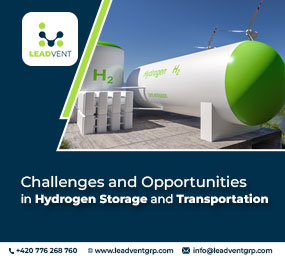
Infrastructure development remains a key challenge. Hydrogen production, storage, and transport require coordinated planning and significant investment. However, the region’s existing gas infrastructure provides an opportunity. With careful adaptation, parts of the current pipeline network can be repurposed to carry hydrogen, reducing costs and accelerating deployment.
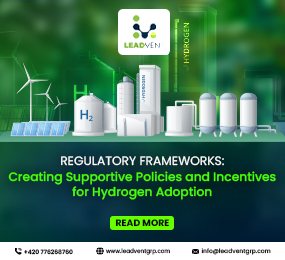
Policy frameworks and EU-level support are playing a decisive role. Funding mechanisms, national hydrogen strategies, and cross-border initiatives are helping de-risk early projects and attract private investment. Success will depend on aligning regulation, standards, and market incentives across the region.
CEE’s hydrogen journey is not about leapfrogging overnight, but about steady progress. By combining renewable growth, industrial demand, and regional cooperation, hydrogen can become a cornerstone of a resilient and competitive low-carbon economy.
Takeaway Point
Hydrogen offers Central and Eastern Europe a practical bridge between today’s energy systems and a low-carbon future, supporting industrial decarbonization, energy security, and regional collaboration.
Learn more on our website: https://www.leadventgrp.com/event/10th-edition-cee-hydrogen-summit/register
For more information and group participation, contact us: [email protected]
Leadvent Group - Industry Leading Events for Business Leaders!
www.leadventgrp.com | [email protected]







Comment