

E-Fuels Supply Chain and Infrastructure: Building the Foundation for a Low-Carbon Future
As industries around the world work to reduce carbon emissions and accelerate the transition to cleaner energy, e-fuels are emerging as a promising solution for sectors that are difficult to electrify. From aviation and shipping to heavy industry and long-distance transport, e-fuels offer a practical pathway to decarbonisation while leveraging existing fuel systems. However, unlocking their full potential depends not only on production technologies but also on the development of robust supply chains and supporting infrastructure.
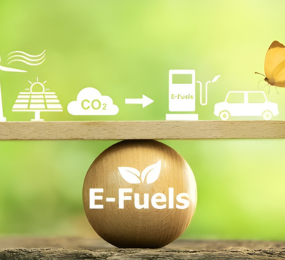
E-fuels, also known as synthetic fuels, are produced using renewable electricity, green hydrogen, and captured carbon dioxide. Unlike conventional fossil fuels, they can significantly reduce lifecycle greenhouse gas emissions when produced using renewable energy sources. Yet creating a sustainable e-fuels industry requires a highly coordinated network of energy producers, technology providers, logistics operators, infrastructure developers, and end users.
The foundation of the e-fuels supply chain begins with renewable energy generation. Large-scale solar, wind, hydroelectric, and other renewable energy facilities provide the electricity needed to produce green hydrogen through electrolysis. Because e-fuel production requires significant amounts of clean energy, access to reliable and affordable renewable electricity is one of the most important factors influencing project viability.
The next stage involves hydrogen production. Electrolysis facilities convert water into hydrogen and oxygen using renewable electricity. Green hydrogen then becomes a key ingredient for producing synthetic fuels such as e-methanol, e-kerosene, e-diesel, and e-ammonia. Expanding electrolyser capacity and improving production efficiency are critical steps in strengthening the overall supply chain.
Carbon dioxide sourcing is another essential component. E-fuel producers require a reliable supply of captured carbon dioxide, which can be obtained from industrial facilities or direct air capture technologies. Developing efficient carbon capture infrastructure helps ensure sufficient feedstock availability while supporting broader emissions reduction objectives.
Once produced, e-fuels must be transported and stored safely before reaching end users. This creates demand for specialized logistics networks, including pipelines, storage terminals, shipping facilities, and distribution hubs. In many cases, existing fuel infrastructure can be adapted to accommodate certain e-fuels, reducing the need for entirely new systems and lowering deployment costs.
The aviation industry is expected to be one of the largest beneficiaries of e-fuel infrastructure development. Sustainable aviation fuels derived from synthetic production pathways can often be integrated into existing airport fueling systems, making them an attractive option for reducing emissions without major operational disruptions.
Similarly, the maritime sector is investing in infrastructure capable of supporting alternative fuels such as e-methanol and e-ammonia. Ports around the world are exploring new bunkering facilities and storage capabilities to prepare for the growing demand for low-carbon marine fuels.
Industrial clusters are also becoming important hubs for e-fuel development. By locating renewable energy generation, hydrogen production, carbon capture facilities, and fuel synthesis plants in close proximity, developers can improve efficiency, reduce transportation costs, and strengthen supply chain resilience.
Digital technologies are increasingly supporting infrastructure management. Advanced monitoring systems, data analytics, and artificial intelligence help optimize production processes, improve logistics planning, and enhance operational reliability across complex supply networks.
Despite strong momentum, several challenges remain. Infrastructure development requires substantial investment, while supply chains must scale rapidly to meet growing demand. Regulatory frameworks, permitting processes, and market incentives will play important roles in accelerating deployment and reducing financial risks.
Collaboration between governments, energy companies, investors, and technology providers will be essential for building a successful e-fuels ecosystem. Public-private partnerships can help mobilize capital, support innovation, and establish the infrastructure needed for long-term growth.
As global industries pursue ambitious climate targets, the importance of e-fuels will continue to grow. However, production alone is not enough. A reliable and efficient supply chain, supported by modern infrastructure, will be critical to ensuring that e-fuels can be delivered at scale and contribute meaningfully to global decarbonisation efforts.
The development of e-fuels infrastructure represents more than an energy transition—it is the creation of a new industrial ecosystem capable of supporting cleaner transportation, sustainable manufacturing, and long-term economic resilience.
Takeaway Point:
The success of e-fuels depends on a strong supply chain and infrastructure network that connects renewable energy generation, hydrogen production, carbon capture, storage, transportation, and distribution to support large-scale decarbonisation.
Learn more on our website: https://www.leadventgrp.com/event/3rd-annual-world-e-fuels-summit/register
For more information and group participation, contact us: [email protected]
Leadvent Group - Industry Leading Events for Business Leaders!
www.leadventgrp.com | [email protected]










Comment