

Ensuring Reliability and Longevity of Submarine Power Cables
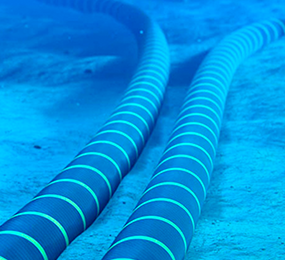
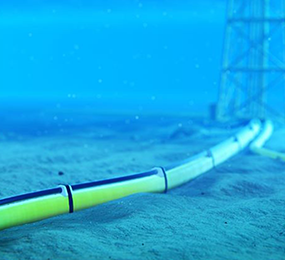
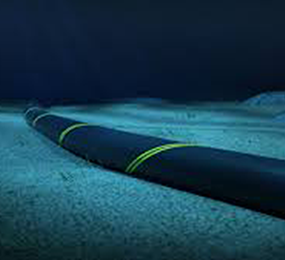
Submarine power cables are the lifeblood of the global energy transition, connecting offshore wind farms to mainland grids and linking national power systems across oceans. Given that these assets are designed for a 25-to-40-year lifespan in high-pressure, corrosive marine environments, ensuring their reliability is a critical economic and engineering challenge.
Advanced Material Integrity
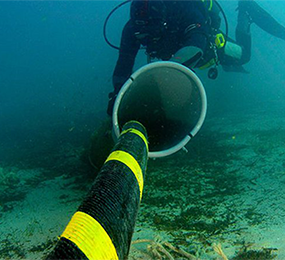
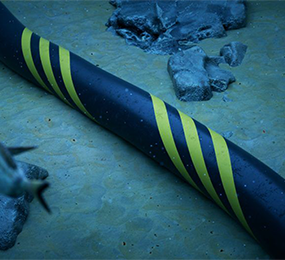
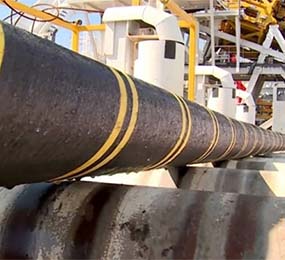
The foundation of longevity lies in material science. Modern cables utilize High-Performance Thermoplastic Elastomers (HPTE) or DC-optimized XLPE insulation to prevent electrical breakdown and "water treeing." To protect against the harsh chemical environment of the seafloor, cables are encased in radial water barriers, such as welded aluminum or lead sheaths, and armored with Galfan-coated steel wires. These layers provide the mechanical strength necessary to withstand extreme hydrostatic pressure and the abrasive forces of shifting seabed sediments.
Proactive Monitoring and Protection
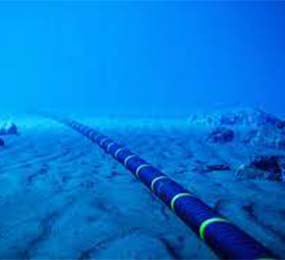
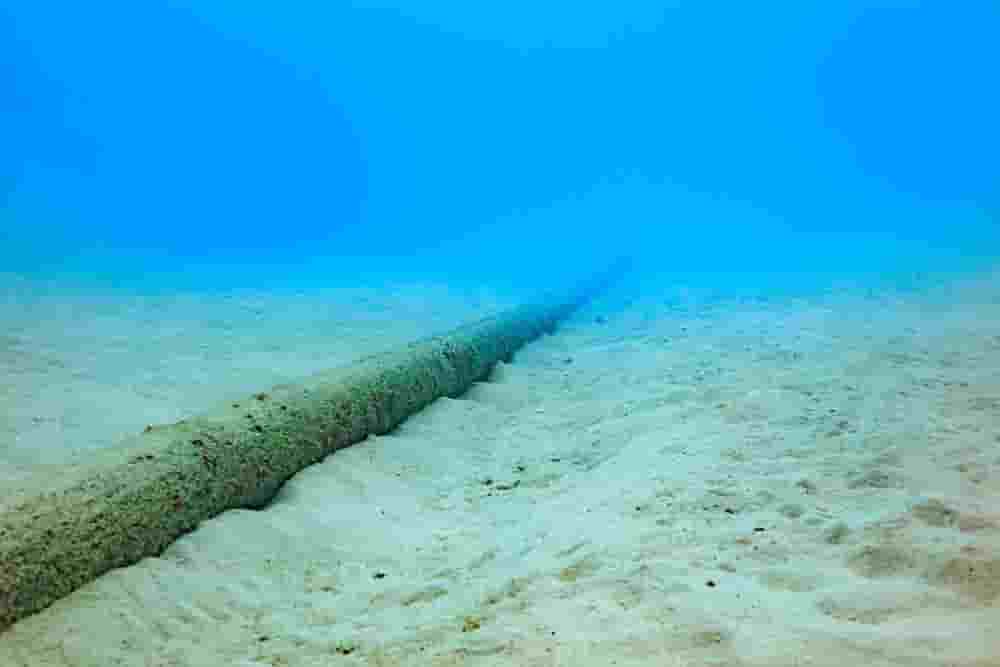
Reliability is no longer a passive pursuit. The integration of Distributed Fiber Optic Sensing (DFOS) allows operators to use the fiber within the power cable as a continuous sensor. By monitoring Real-Time Thermal Rating (RTTR) and acoustic vibrations, utilities can detect overheating or external threats—such as dragging anchors or fishing gear—before a fault occurs. Furthermore, proper burial using precision jet-trenching technology is the most effective way to minimize external mechanical damage, which accounts for the vast majority of subsea cable failures.
Risk-Based Asset Management
Long-term integrity is managed through "Digital Twins" and predictive risk modeling. By analyzing historical fault data alongside real-time environmental conditions, operators can transition from reactive repairs to proactive maintenance. In the event of a fault, having a robust "repair readiness" strategy—including pre-staged spare segments and pre-negotiated vessel access—is essential to minimizing the Mean Time to Repair (MTTR) and protecting the financial viability of the energy link.
The longevity of submarine power cables is secured through a fusion of robust physical armoring and intelligent digital monitoring. As interconnections grow in length and capacity, these reliability strategies ensure that the world's subsea energy highways remain resilient for decades to come.
Visit our website to know more: https://www.leadventgrp.com/events/5th-annual-submarine-power-cable-and-interconnection-forum/details
For more information and group participation, contact us: [email protected]
Leadvent Group - Industry Leading Events for Business Leaders!
www.leadventgrp.com [email protected]




Comment