

Floating Solar: Expanding Clean Energy Beyond Land Limits
As the demand for clean energy continues to grow, so does the need for innovative ways to deploy it. Floating solar, also known as floating photovoltaic (FPV) systems, is one such solution gaining steady attention. By placing solar panels on water bodies instead of land, floating solar offers a practical response to space constraints while unlocking new opportunities for renewable energy generation.
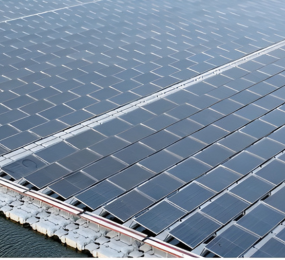
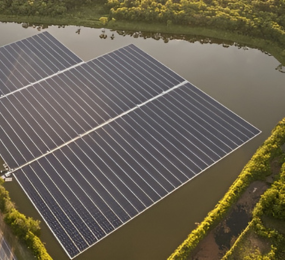
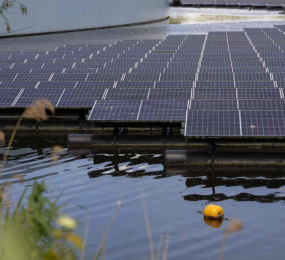
Floating solar systems operate on the same basic principle as traditional solar PV. Panels capture sunlight and convert it into electricity. The difference lies in their location. Instead of rooftops or open fields, panels are mounted on floating platforms anchored on reservoirs, lakes, ponds, and even former industrial water bodies. This approach allows energy generation without competing with agriculture, housing, or natural habitats.
One of the key advantages of floating solar is efficient land use. In regions where land is scarce or expensive, water surfaces provide underutilized space with significant potential. Many FPV projects are installed on man-made reservoirs such as those used for drinking water, irrigation, or hydropower. In these cases, floating solar can complement existing infrastructure rather than replace it.
There are also technical benefits linked to the water environment. The cooling effect of water can help reduce panel temperatures, improving efficiency compared to ground-mounted systems exposed to higher heat. In addition, floating solar can reduce water evaporation, which is especially valuable in water-stressed regions. By shading the surface, FPV systems help conserve water while producing clean energy.
Floating solar is increasingly seen as a strong partner to hydropower. When installed on hydropower reservoirs, solar generation during sunny periods can balance water use and improve overall energy output. This hybrid approach offers greater flexibility to grid operators and supports more stable renewable energy supply throughout the year.
Despite its advantages, floating solar also presents challenges. Projects must account for water level fluctuations, wind loads, corrosion, and long-term durability of floating structures. Environmental considerations, such as water quality and aquatic ecosystems, require careful assessment and monitoring. These factors mean that FPV systems demand thoughtful design and experienced project execution.
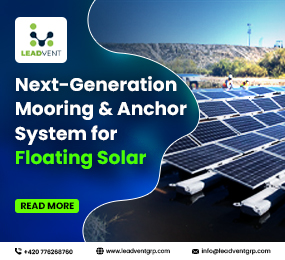
The good news is that technology and experience are advancing quickly. Materials designed for long-term water exposure, improved anchoring systems, and better monitoring tools are making floating solar more reliable and cost-effective. As more
projects are deployed worldwide, best practices are emerging, helping reduce risks and improve performance.
From Asia to Europe and beyond, floating solar is no longer an experimental concept. It is becoming a proven solution that expands the reach of solar energy without adding pressure on land resources. For governments, utilities, and investors seeking flexible renewable options, floating solar offers a compelling balance of practicality and innovation.
Takeaway Point
Floating solar turns underused water surfaces into productive energy assets, offering a smart and space-efficient way to scale solar power while supporting sustainability and resource efficiency.
Learn more on our website: https://www.leadventgrp.com/event/6th-annual-floating-solar-pv-forum/register
For more information and group participation, contact us: [email protected]
Leadvent Group - Industry Leading Events for Business Leaders!
www.leadventgrp.com | [email protected]




Comment