

Floating Solar: Unlocking New Space for Renewable Power
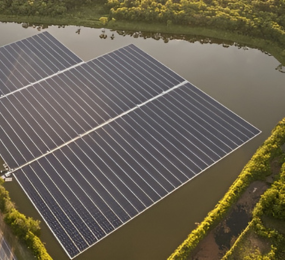
As the world searches for more creative and practical ways to expand clean energy, floating solar—also known as floating photovoltaic (FPV) technology—has quickly moved from an interesting concept to a proven solution. By placing solar panels on water bodies such as reservoirs, lakes, and hydropower dams, countries and companies are finding new ways to meet rising energy demands without sacrificing land or disrupting communities.
Floating solar combines the strengths of traditional solar power with the natural advantages offered by water surfaces. For regions where land is scarce, expensive, or highly contested for agriculture and development, this innovation provides a smart alternative that supports both energy growth and environmental balance.
Why Floating Solar Matters
Land use has become one of the biggest challenges facing the renewable energy sector. While solar farms remain essential in the clean energy mix, many regions struggle to find the space required for large-scale installations. Floating solar addresses this in a simple yet impactful way—by making use of underutilized water bodies.
These installations do not compete with farmland, housing, or industrial zones. Instead, they turn idle water surfaces into productive energy assets. This option is especially valuable for dense urban regions, island nations, and countries with limited land resources.
How Floating Solar Works
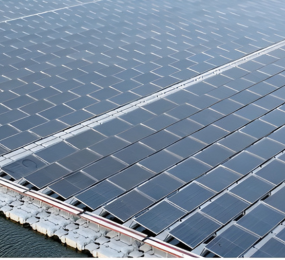
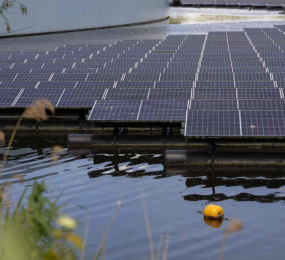
Floating solar systems consist of photovoltaic panels mounted on buoyant platforms that rest on the water surface. The panels are connected to electrical inverters and anchored to the shore or the bottom of the water body to maintain stability.
Because water keeps the temperature of the panels lower, floating solar systems often perform better than land-based ones. Solar panels naturally lose efficiency in high heat, so the cooling effect of water helps maintain stronger output throughout the day. Additionally, reduced dust accumulation on water bodies can lead to lower maintenance needs.
Floating solar projects are most commonly deployed in:
1. Hydropower reservoirs
2. Wastewater treatment ponds
3. Industrial water basins
4. Man-made lakes and calm inland waterways
Environmental and Economic Benefits
Floating solar offers several meaningful advantages beyond clean energy production:
· Higher efficiency: Cooler temperatures improve the performance of solar panels.
· Reduced land pressure: Agriculture and urban development remain undisturbed.
· Lower evaporation rates: Panels provide shade that helps conserve water—valuable in drought-prone regions.
· Compatibility with hydropower: Combining floating solar with existing hydro reservoirs allows shared transmission infrastructure and balanced energy production.
Economically, the technology has become more attractive as costs have steadily decreased. Installation processes have matured, supply chains have strengthened, and several countries, such as China, Singapore, India, and the Netherlands—have already demonstrated the viability of large-scale FPV systems.
Challenges to Consider
While promising, floating solar is not without challenges. Engineering systems must withstand changing water levels, storms, and long-term wear from moisture. Environmental assessments are also essential to ensure that aquatic ecosystems are not disrupted. As with any emerging technology, responsible planning and regulation will shape its long-term success.
Takeaway Point
Floating solar is expanding the boundaries of renewable energy by turning unused water surfaces into productive power sources. As the world seeks sustainable and space-efficient solutions, this technology is becoming a practical and influential part of the global clean energy future.
Learn more on our website: https://www.leadventgrp.com/event/6th-annual-floating-solar-pv-forum/register
For more information and group participation, contact us: [email protected]
Leadvent Group - Industry Leading Events for Business Leaders!
www.leadventgrp.com | [email protected]






Comment