

Floating Solar vs Agrivoltaics: Comparing Two Innovative Renewable Energy Solutions
As the global transition to renewable energy accelerates, developers are increasingly looking beyond traditional solar farms to maximize energy production while minimizing pressure on land and natural resources. Two innovative approaches gaining significant attention are floating solar and agrivoltaics. While both technologies harness solar energy, they do so in very different ways, offering unique benefits and opportunities for sustainable development.
Understanding how these systems compare can help governments, investors, utilities, farmers, and energy developers determine which solution best fits their environmental, economic, and energy objectives.
What Is Floating Solar?
Floating solar, also known as floating photovoltaic (FPV) technology, involves installing solar panels on floating structures located on water bodies such as reservoirs, lakes, irrigation ponds, and former mining pits. Instead of occupying valuable land, these systems generate electricity on water surfaces that may otherwise remain underutilized.
One of the key advantages of floating solar is its efficient use of space. As land becomes increasingly scarce and expensive, particularly near urban and industrial centers, floating solar provides an alternative pathway for expanding renewable energy capacity without competing with agriculture, housing, or conservation areas.
Additionally, the cooling effect of water can improve solar panel performance. Lower operating temperatures often result in higher energy efficiency compared to conventional ground-mounted installations. Floating solar systems may also help reduce water evaporation, offering added benefits in regions facing water scarcity.
What Is Agrivoltaics?
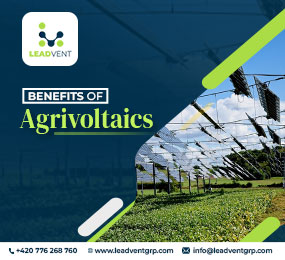
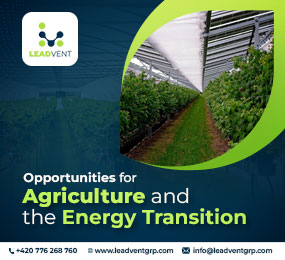
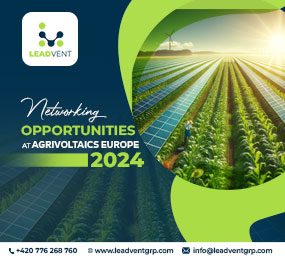
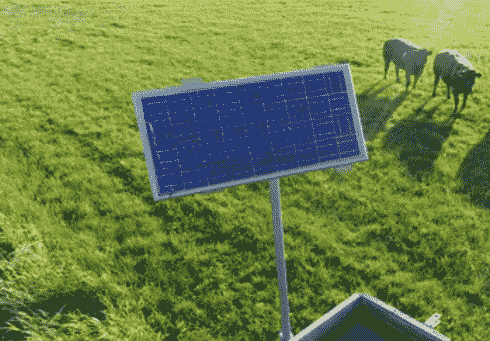
Agrivoltaics combines agricultural production and solar power generation on the same piece of land. In these systems, solar panels are installed above crops, between planting rows, or alongside farming activities, allowing food production and renewable energy generation to coexist.
The concept addresses one of the most common criticisms of large solar projects: competition for land. Instead of choosing between agriculture and energy production, agrivoltaics enables both activities to occur simultaneously.
In some cases, the partial shading provided by solar panels can benefit certain crops by reducing heat stress and limiting water loss. Farmers may also gain an additional source of income through electricity generation, improving the economic resilience of agricultural operations.
Land and Resource Efficiency
One of the biggest differences between the two technologies is resource utilization.
Floating solar maximizes the use of water surfaces, making it particularly attractive in regions with large reservoirs or limited available land. Agrivoltaics, meanwhile, focuses on optimizing productive farmland by creating dual-use systems that support both agriculture and renewable energy.
Where land availability is limited and water resources are abundant, floating solar may offer a stronger solution. In agricultural regions seeking to preserve food production while expanding renewable energy capacity, agrivoltaics often presents greater value.
Environmental Benefits
Both technologies offer important environmental advantages.
Floating solar helps reduce land disturbance and may lower reservoir evaporation rates. It can also contribute to renewable energy expansion without affecting agricultural productivity.
Agrivoltaics supports sustainable land management by maintaining agricultural activity while producing clean electricity. Depending on crop type and climate conditions, it may improve water efficiency and enhance resilience to extreme weather.
Both approaches contribute to carbon reduction goals by increasing renewable energy generation and reducing reliance on fossil fuels.
Economic Considerations
The financial dynamics of each system vary.
Floating solar projects often require specialized floating structures, anchoring systems, and marine-grade electrical components, which can increase installation complexity. However, they may avoid land acquisition costs and deliver strong energy performance.
Agrivoltaic projects require careful design to balance crop growth and energy production. While installation costs can be higher than traditional solar farms, the dual revenue streams from agriculture and electricity can improve overall project economics.
The Future of Dual-Use Solar
Rather than competing technologies, floating solar and agrivoltaics are complementary solutions addressing different challenges within the renewable energy sector. Both represent innovative approaches to maximizing resource efficiency while supporting sustainability goals.
As energy demand continues to grow, these technologies are expected to play increasingly important roles in helping countries expand renewable energy capacity without placing additional pressure on land and water resources.
The future energy landscape will likely require a combination of solutions, and both floating solar and agrivoltaics demonstrate how innovation can unlock new opportunities for sustainable development.
Takeaway Point:
Floating solar and agrivoltaics both improve resource efficiency by combining renewable energy generation with existing water or agricultural assets. Floating solar excels in utilizing water surfaces, while agrivoltaics enables simultaneous food and energy production, making both technologies valuable tools in the clean energy transition.
Learn more on our website: https://www.leadventgrp.com/event/4th-annual-agrivoltaics-europe/register
For more information and group participation, contact us: [email protected]
Leadvent Group - Industry Leading Events for Business Leaders!
www.leadventgrp.com | [email protected]





Comment