

Floating Wind Energy in Deep Water: Unlocking the Next Frontier of Renewable Power
The global renewable energy sector is constantly searching for new ways to meet rising electricity demand while reducing carbon emissions. Among the most promising developments in recent years is floating wind energy, a technology that enables offshore wind turbines to operate in deep-water environments where conventional fixed-bottom structures are not feasible.
As countries pursue ambitious net-zero targets and seek to expand renewable energy capacity, floating wind is emerging as a powerful solution capable of unlocking vast offshore wind resources that were previously inaccessible. By moving wind farms further offshore into deeper waters, developers can access stronger, more consistent winds while reducing some of the spatial constraints faced by traditional offshore projects.
Conventional offshore wind turbines are typically installed on foundations fixed directly to the seabed. While this approach has proven highly successful in shallow coastal waters, it becomes increasingly expensive and technically challenging in depths greater than approximately 60 meters. Many of the world's most attractive wind resources, however, are located much farther offshore in deeper waters.
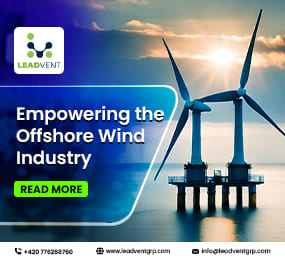
Floating wind technology addresses this challenge by mounting turbines on floating platforms that are anchored to the seabed using mooring systems. These platforms remain stable while allowing turbines to operate efficiently even in challenging marine conditions. This innovation opens the door to large-scale renewable energy generation in regions previously considered unsuitable for offshore wind development.
One of the greatest advantages of deep-water floating wind is access to stronger and more consistent wind speeds. Offshore winds generally experience less turbulence than those found on land, leading to higher energy production and improved capacity factors. For developers and investors, this can translate into greater project efficiency and stronger long-term returns.
Floating wind also offers significant opportunities for countries with deep coastal waters. Nations such as Norway, Japan, South Korea, Portugal, Spain, and parts of the United States have extensive deep-water coastlines where fixed-bottom offshore wind deployment is limited. Floating technology allows these regions to harness their offshore wind potential and strengthen energy security.
The environmental benefits of floating wind are substantial. By generating electricity from renewable wind resources, projects help reduce dependence on fossil fuels and lower greenhouse gas emissions. As power grids become increasingly electrified, floating wind can play an important role in supporting clean energy systems and meeting climate objectives.
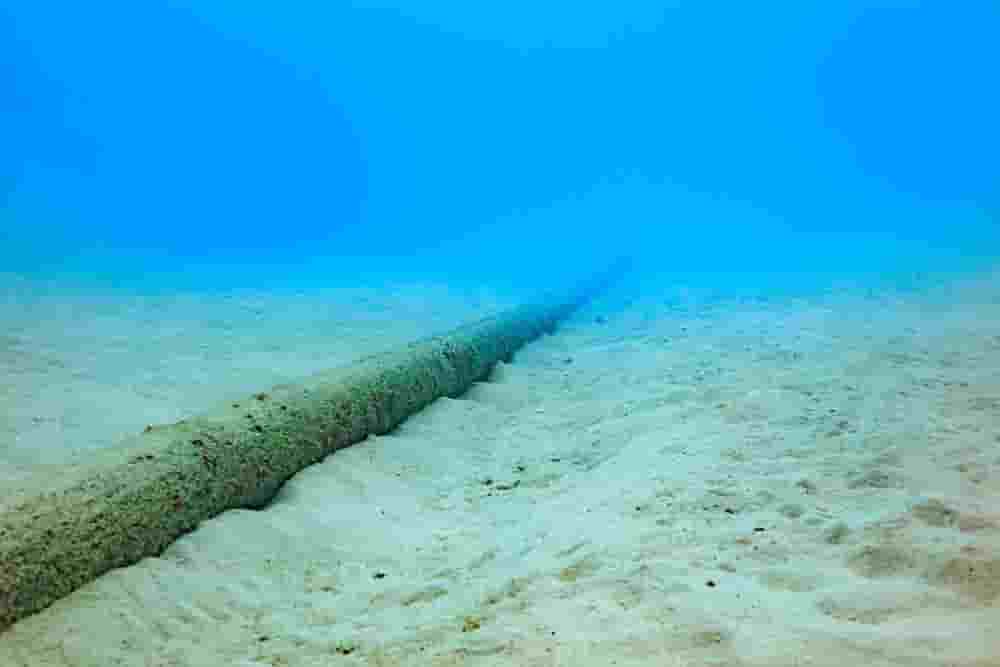
Technology innovation continues to drive the sector forward. Engineers are developing advanced floating platform designs, stronger mooring systems, and more efficient dynamic power cables capable of operating in harsh offshore environments. Larger turbine capacities are also helping improve project economics by generating more electricity from fewer installations.
Despite its promise, floating wind still faces several challenges. Development costs remain higher than those of established offshore wind technologies, and supply chains are still evolving. Specialized ports, manufacturing facilities, installation vessels, and maintenance infrastructure are needed to support large-scale deployment.
However, industry experts expect costs to decline as projects move from demonstration stages to commercial-scale developments. Similar cost reduction trends have been observed in solar energy and fixed-bottom offshore wind as deployment increased and technology matured.
Investment in floating wind is accelerating globally. Governments are introducing leasing programs, financial incentives, and policy frameworks designed to encourage project development. At the same time, major energy companies and infrastructure investors are committing significant resources to floating wind portfolios as part of their long-term renewable energy strategies.
Deep-water floating wind is also creating new economic opportunities. The industry has the potential to generate skilled jobs across engineering, manufacturing, construction, operations, and maintenance while supporting the development of regional supply chains and port infrastructure.
As the global energy transition continues, floating wind energy is positioned to become a key pillar of future renewable electricity generation. By unlocking the vast wind resources available in deep offshore waters, the technology offers a pathway to cleaner energy, enhanced energy security, and long-term economic growth.
The oceans hold immense renewable energy potential, and floating wind technology is providing the means to harness it. What was once considered a technical challenge is now becoming one of the most exciting opportunities in the global clean energy landscape.
Takeaway Point:
Floating wind energy enables renewable power generation in deep-water environments, unlocking stronger offshore wind resources and creating new opportunities for large-scale clean energy production and decarbonization.
Learn more on our website: https://www.leadventgrp.com/event/6th-annual-floating-wind-europe/register
For more information and group participation, contact us: [email protected]
Leadvent Group - Industry Leading Events for Business Leaders!
www.leadventgrp.com | [email protected]






Comment