

Grid Modernization: Overcoming Legacy Infrastructure Barriers
The global energy landscape is undergoing a radical shift, yet the foundation upon which it rests—the electrical grid—remains largely tethered to the 20th century. Most existing power networks were designed for a unidirectional flow of electricity from centralized fossil fuel plants to passive consumers. Today, as we integrate intermittent renewables and electric vehicles, "Grid Modernization" has become an urgent necessity. However, the transition is hindered by deep-seated legacy infrastructure barriers.
The primary challenge lies in the physical age and design of current systems. Aging transformers and transmission lines are often incompatible with the bidirectional power flows required by "prosumers"—individuals who both consume and generate solar energy. Upgrading these physical components is not merely a matter of replacement; it requires a fundamental architectural shift. The legacy grid lacks the digital intelligence to manage the variability of wind and solar, making it prone to instability as green energy penetration increases.
Furthermore, regulatory and financial frameworks present significant hurdles. Utility companies traditionally operate under models that incentivize large-scale capital expenditures on physical assets rather than investments in "soft" infrastructure, such as AI-driven demand-response software or decentralized microgrids. Transitioning to a "Smart Grid" requires a departure from these rigid structures toward a more agile, data-centric approach.
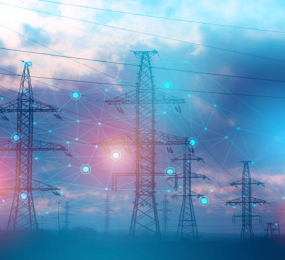
To overcome these barriers, the industry must prioritize interoperability. Modernizing the grid involves deploying advanced metering infrastructure (AMI) and energy storage systems that can communicate seamlessly across different platforms. By digitizing the edge of the grid, operators can gain real-time visibility, allowing them to balance supply and demand dynamically.
In conclusion, grid modernization is the "missing link" in the energy transition. While legacy infrastructure presents formidable technical and economic obstacles, the integration of digital intelligence and flexible regulatory policies can transform the grid from a bottleneck into a catalyst for a decarbonized future.
Visit our website to know more: https://www.leadventgrp.com/events/2nd-annual-power-grid-digitalization-and-automation-forum/details
For more information and group participation, contact us: [email protected]
Leadvent Group - Industry Leading Events for Business Leaders!








Comment