

Integrating Biogas into Existing Gas Grid Infrastructure
The transition to a low-carbon economy necessitates a multi-pronged approach to energy, where the decarbonization of the gas grid plays a pivotal role. Integrating biogas—specifically after it has been upgraded to biomethane—into existing natural gas infrastructure offers a pragmatic pathway to leverage trillions of dollars in established assets while significantly reducing greenhouse gas emissions.
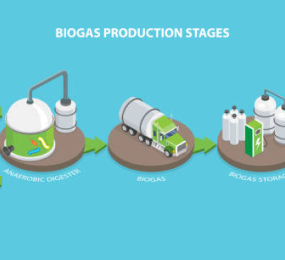
The primary technical hurdle in this integration is ensuring gas quality and interchangeability. Raw biogas, a product of anaerobic digestion, contains significant amounts of carbon dioxide and trace impurities like hydrogen sulfide. To be injected into national grids, it must undergo "upgrading" to reach a methane concentration of 95-99%. Once refined, biomethane is chemically nearly identical to fossil-derived natural gas, allowing it to be transported through existing pipelines and used by standard household boilers and industrial furnaces without any hardware modifications.
Beyond technical feasibility, the integration of biogas offers strategic advantages for energy security. Unlike solar or wind, biogas provides a consistent, dispatchable "baseload" of renewable energy that is not dependent on weather conditions. Furthermore, it fosters a circular economy by converting agricultural waste, sewage, and food scraps into a high-value energy product. This localized production can reduce reliance on imported natural gas, stabilizing energy prices and supporting rural economies.
However, scaling this integration requires robust regulatory frameworks and financial incentives. The high capital expenditure associated with upgrading facilities and grid connection points currently makes biomethane more expensive than fossil gas. Policy mechanisms such as "Green Gas Certificates" or feed-in tariffs are essential to bridge this economic gap. As the technology matures and carbon pricing intensifies, the injection of biomethane into the existing grid will stand as a cornerstone of a resilient, decarbonized energy landscape, proving that the infrastructure of the past can indeed power a sustainable future.
Visit our website to know more: https://www.leadventgrp.com/events/2nd-annual-biogas-biomethane-world-summit/details
For more information and group participation, contact us: [email protected]
Leadvent Group - Industry Leading Events for Business Leaders!





Comment