

Marine Fuels and the Future of Sustainable Shipping
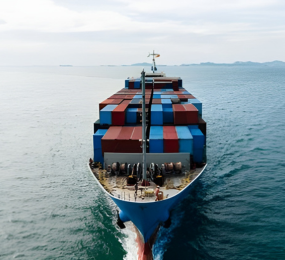
Marine fuels sit at the heart of global trade. Every day, thousands of vessels move goods across oceans, supporting supply chains that connect continents and economies. For decades, this system has relied on conventional fossil-based fuels. Today, however, rising environmental expectations, regulatory pressure, and commercial realities are pushing the maritime sector to rethink how ships are powered.
The shipping industry is under growing scrutiny for its environmental impact. Although maritime transport remains one of the most efficient modes of moving goods, it still contributes a notable share of global emissions. This has placed marine fuels firmly on the decarbonization agenda, with ship owners, fuel suppliers, ports, and regulators all seeking workable alternatives that balance sustainability, safety, and cost.
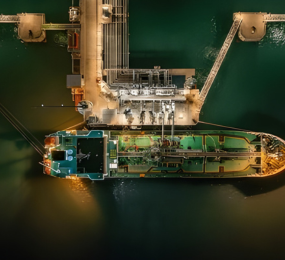
Traditional marine fuels such as heavy fuel oil and marine gasoil are gradually giving way to cleaner options. Liquefied natural gas (LNG) has emerged as a transitional solution, offering lower emissions of sulfur oxides, nitrogen oxides, and particulate matter. While LNG does not eliminate carbon emissions, it has helped operators comply with stricter air-quality regulations and gain operational experience with alternative fuel systems.
Looking further ahead, attention is shifting toward low- and zero-carbon fuels. Biofuels, produced from sustainable feedstocks, are already being blended with conventional fuels and used in existing engines with minimal modification. This makes them an attractive near-term option, particularly for fleets seeking immediate emissions reductions without major retrofits.
Methanol and ammonia are also gaining momentum. Methanol is appealing due to its relative ease of handling and growing availability, while ammonia offers the promise of carbon-free combustion. Both fuels, however, require new vessel designs, updated safety protocols, and dedicated bunkering infrastructure. Their success will depend on coordinated investment across the entire maritime value chain.
Another important factor shaping the future of marine fuels is regulation. International frameworks, particularly those led by the International Maritime Organization, are setting clear targets for emissions reduction. These policies are influencing fuel choices, vessel design, and long-term fleet planning. At the same time, regional initiatives and port-level incentives are encouraging early adoption of cleaner fuels.
Economic considerations remain central to decision-making. Fuel availability, price stability, and infrastructure readiness vary widely across regions. Ship operators must
weigh environmental goals against commercial realities, often adopting flexible strategies that allow vessels to operate on multiple fuel types as markets evolve.
Ultimately, the transition in marine fuels is not about a single solution but a portfolio of options. Different vessel types, trade routes, and operating profiles will favor different fuels. What matters most is steady progress, informed investment, and collaboration across the industry.
Marine fuels are no longer just a technical concern; they are a strategic issue shaping the future of global shipping. The choices made today will define how sustainable, resilient, and competitive the maritime sector becomes in the decades ahead.
Takeaway Point
The future of marine fuels lies in a balanced mix of transitional and low-carbon options, supported by regulation, infrastructure investment, and industry-wide collaboration to achieve meaningful and lasting emissions reduction. Learn more on our website: https://www.leadventgrp.com/event/world-sustainable-marine-fuels-forum/register
For more information and group participation, contact us: [email protected]
Leadvent Group - Industry Leading Events for Business Leaders!
www.leadventgrp.com | [email protected]














Comment