

Marine Fuels: Steering Global Shipping Toward a Cleaner Future
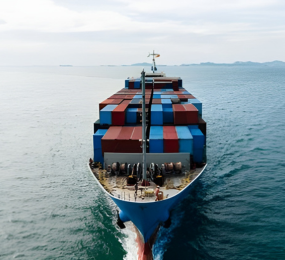
Global trade depends on the sea. From food and fuel to manufactured goods, over 80 percent of world commerce moves by ship. Behind this vast network is a critical but often overlooked element: marine fuel. As environmental expectations rise and regulations tighten, the maritime sector is undergoing a careful but decisive shift in how ships are powered.
For decades, heavy fuel oil dominated marine propulsion. It was affordable, energy-dense, and widely available, but also highly polluting. Emissions from traditional marine fuels contribute to air pollution, climate change, and health risks in port cities. These impacts have placed shipping firmly in the spotlight of the global energy transition.
Regulatory pressure has been a major catalyst for change. The International Maritime Organization’s sulfur cap and long-term decarbonization targets have pushed shipowners to reassess fuel strategies. Compliance is no longer optional; it is a business necessity. Yet the transition is not straightforward, given the scale, lifespan, and global nature of shipping assets.
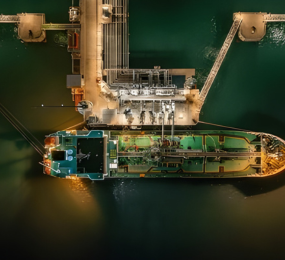
Liquefied natural gas (LNG) has emerged as a transitional fuel, offering lower sulfur emissions and reduced particulate matter compared to conventional fuels. While it does not eliminate carbon emissions, it has helped operators meet near-term regulatory requirements and gain experience with alternative fuel systems. At the same time, concerns about methane leakage and long-term climate impact have kept the conversation open.
Looking further ahead, attention is shifting toward low- and zero-carbon marine fuels. Biofuels are gaining traction, particularly as drop-in solutions that can be used with existing engines and infrastructure. Methanol is attracting interest for its simpler storage and growing availability from renewable sources. Ammonia and hydrogen, while still at an early stage, represent promising long-term options with the potential for near-zero emissions when produced cleanly.
The choice of marine fuel is no longer just a technical decision. It affects vessel design, operational flexibility, crew training, and fuel availability across ports. Shipowners must balance environmental goals with commercial realities, often planning for multiple fuel pathways to manage risk in a changing market.
Ports and fuel suppliers also play a critical role. Investments in bunkering infrastructure, safety standards, and supply chains will determine how quickly new fuels can scale. Collaboration across the maritime ecosystem—shipbuilders, operators, regulators, and energy providers is essential to avoid fragmented progress.
Ultimately, the transition in marine fuels reflects a broader shift in shipping’s identity. The industry is moving from a focus on cost and efficiency alone toward long-term resilience and environmental responsibility. While no single fuel will dominate overnight, a diversified and pragmatic approach is already shaping the future of maritime energy.
Takeaway Point
Marine fuels are at the heart of shipping’s energy transition, and the path forward will rely on a mix of cleaner options, practical regulation, and coordinated action across the maritime value chain.
Learn more on our website: https://www.leadventgrp.com/event/world-sustainable-marine-fuels-forum/register
For more information and group participation, contact us: [email protected]
Leadvent Group - Industry Leading Events for Business Leaders!
www.leadventgrp.com | [email protected]














Comment