

Marine Fuels: Steering Global Shipping Toward a Cleaner Future
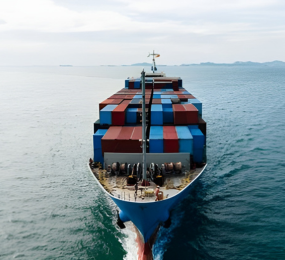
Global shipping is the backbone of international trade. Every day, thousands of vessels move food, energy, raw materials, and manufactured goods across oceans, keeping economies connected. Powering this vast network are marine fuels—an essential but increasingly scrutinized part of the maritime industry as environmental expectations continue to rise.
For decades, conventional marine fuels such as heavy fuel oil and marine diesel have been the industry standard. These fuels are valued for their affordability and energy density, particularly for long-distance voyages. However, they are also associated with high levels of sulfur emissions, particulate matter, and greenhouse gases. As climate targets tighten and air quality concerns grow, the maritime sector is under pressure to rethink how ships are powered.
Regulation has been a major catalyst for change. International rules, including stricter sulfur limits and regional emissions controls, have already reshaped fuel choices in many ports and coastal areas. Ship operators have responded by switching to low-sulfur fuels, installing exhaust cleaning systems, or redesigning vessels to meet new compliance requirements. While these steps have reduced harmful pollutants, they are widely seen as transitional rather than long-term solutions.
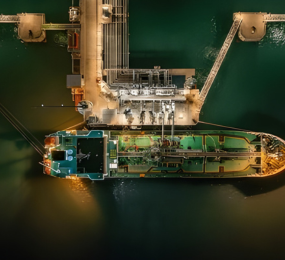
The conversation is now shifting toward alternative marine fuels that can significantly lower carbon emissions. Liquefied natural gas (LNG) has gained traction as a cleaner-burning option, offering reductions in sulfur oxides and nitrogen oxides. However, concerns about methane emissions and long-term climate impact mean LNG is often viewed as a bridge fuel rather than a final destination.
Biofuels are also entering the marine fuel mix. Produced from waste oils, residues, and sustainable biomass, marine biofuels can be used in existing engines with minimal modification. Their appeal lies in immediate emissions reductions and operational flexibility, although availability and consistent quality remain challenges.
Looking further ahead, zero- and near-zero-carbon fuels are becoming a serious focus. Green methanol, ammonia, and hydrogen are being tested through pilot projects and early commercial deployments. These fuels offer the potential for deep decarbonization but require new vessel designs, fuel handling systems, and port infrastructure. Scaling them safely and economically will take time, investment, and coordinated action across the industry.
Shipowners, fuel suppliers, ports, and regulators are increasingly working together to manage this transition. Decisions made today on vessel design, fuel contracts, and
infrastructure investments will shape the industry for decades. Flexibility is becoming a strategic priority, with many operators choosing fuel-ready designs that allow future conversion as technologies mature.
Marine fuels are no longer just a technical choice; they are a business, regulatory, and reputational consideration. As the shipping industry balances operational reliability with environmental responsibility, fuel innovation sits at the heart of the journey toward a more sustainable maritime future.
Takeaway Point
The transition in marine fuels is underway, driven by regulation, innovation, and environmental responsibility, with alternative and low-carbon fuels set to play a defining role in the future of global shipping.
Learn more on our website: https://www.leadventgrp.com/event/world-sustainable-marine-fuels-forum/register
For more information and group participation, contact us: [email protected]
Leadvent Group - Industry Leading Events for Business Leaders!
www.leadventgrp.com | [email protected]














Comment