

Overcoming Consumer Misconceptions About Bioplastics
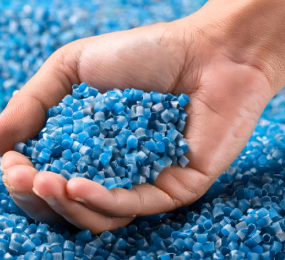
As the global plastic crisis intensifies, bioplastics have emerged as a promising alternative to petroleum-based polymers. However, the path to widespread adoption is hindered by significant consumer misconceptions. To truly leverage the benefits of these materials, it is essential to bridge the gap between "green" marketing and the scientific reality of how bioplastics behave in the environment.
The most prevalent misconception is the belief that all bioplastics are inherently biodegradable or compostable in a backyard setting. In reality, the term "bioplastic" is an umbrella category that includes two distinct concepts: bio-based (made from plants) and biodegradable (capable of breaking down). Many bio-based plastics, such as bio-PET, are chemically identical to their fossil-fuel counterparts; they are renewable but will persist in the ocean just as long as traditional plastic. Conversely, even those labeled "compostable" often require the high-heat conditions of industrial composting facilities to degrade. Consumers who toss "compostable" cups into standard recycling bins or nature inadvertently contribute to pollution and batch contamination.
Another misunderstanding involves the impact of bioplastics on current recycling streams. Many consumers assume that because a product is "bio," it belongs in the recycling bin. However, mixing polylactic acid (PLA) with traditional polyethylene terephthalate (PET) can ruin the quality of recycled plastic, rendering entire batches useless. This "wish-cycling" stems from a lack of standardized labeling and public education regarding material recovery.
To overcome these hurdles, industry leaders and policymakers must prioritize transparent labeling and robust infrastructure. Education must shift away from the vague "eco-friendly" narrative toward specific disposal instructions. When consumers understand that bioplastics are a specialized tool requiring specific waste-management pathways rather than a "magic bullet" for littering, the transition to a circular economy can truly begin.
Visit our website to know more: https://www.leadventgrp.com/events/circular-packaging-biopolymer-summit/details
For more information and group participation, contact us: [email protected]
Leadvent Group - Industry Leading Events for Business Leaders!




Comment