

Risks That Affect Solar Power Integration for Crop Germination in Farming Systems
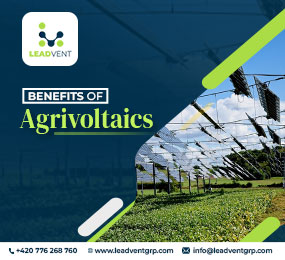
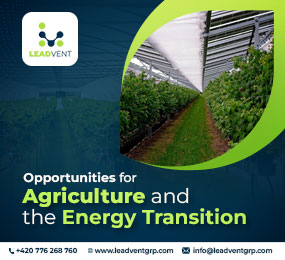
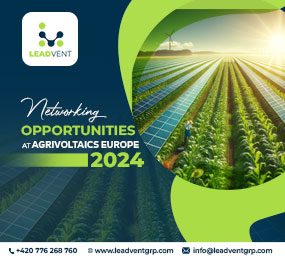
The integration of solar power into agriculture, particularly through agrivoltaic systems, is creating new opportunities for farmers to produce renewable energy while growing crops. However, successful implementation requires careful planning. If solar installations are not properly designed or managed, they can affect crop germination, early plant development, and overall farm productivity.
One of the biggest risks is excessive shading. While some crops benefit from partial shade, too little sunlight during the germination stage can slow seed emergence, reduce growth rates, and lower crop yields. Every crop has different light requirements, so the placement and spacing of solar panels must be carefully matched to the crops being cultivated.
Another challenge is changes in soil temperature. Seeds need suitable soil temperatures to germinate successfully. Large solar panels can cool the soil by reducing direct sunlight, which may delay germination for crops that require warmer conditions. On the other hand, in hot climates, moderate shading can protect seeds from extreme heat and improve germination.
Water availability is another important factor. Solar panels can reduce water evaporation by providing shade, helping the soil retain moisture during dry periods. However, poorly designed installations may alter rainfall distribution or irrigation patterns, leaving some areas too dry or too wet for uniform seed germination.
Poor panel layout and land management can also create operational challenges. Limited access for tractors, irrigation systems, and planting equipment may affect planting schedules and crop management. Selecting the correct panel height and spacing helps ensure farming operations can continue efficiently.
Weather conditions present additional risks. Strong winds, storms, hail, or flooding can damage solar infrastructure, disrupt power generation, and increase maintenance costs. Regular inspections and durable system designs help improve long-term reliability.
Finally, crop selection plays a crucial role. Not every crop performs well under agrivoltaic conditions. Leafy vegetables, berries, and some forage crops often tolerate partial shade, while crops that require full sunlight may experience reduced productivity if panel coverage is too dense.
When agrivoltaic systems are carefully designed, these risks can be minimized. By selecting suitable crops, optimizing panel spacing, monitoring soil conditions, and using precision agriculture technologies, farmers can successfully balance renewable energy generation with healthy crop production.
Takeaway Point
Solar power can support sustainable farming, but careful system design is essential to protect crop germination. Proper panel placement, appropriate crop selection, effective water management, and continuous monitoring help ensure that renewable energy generation and agricultural productivity work together successfully.
Learn more on our website:
For more information and group participation, contact us: [email protected]
Leadvent Group - Industry Leading Events for Business Leaders!



Comment