

Synthetic Fuels: Driving the Future of Sustainable Transport
As industries work to reduce carbon emissions and transition toward cleaner energy, synthetic fuels, also known as e-fuels, are becoming an important part of the global energy mix. Produced using renewable electricity, green hydrogen, and captured carbon dioxide (CO?), synthetic fuels offer a sustainable alternative to conventional fossil fuels while supporting sectors where direct electrification is difficult.
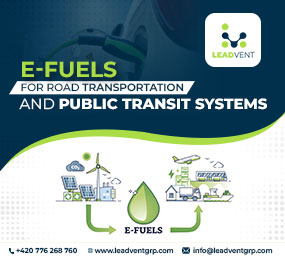
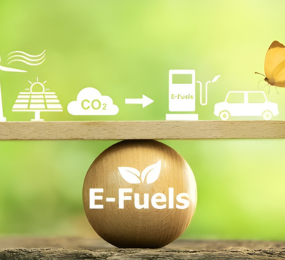
The production process begins with renewable electricity generated from wind, solar, or hydropower. This electricity powers electrolysis, which separates water into hydrogen and oxygen to produce green hydrogen. The hydrogen is then combined with captured CO? through advanced chemical processes to create synthetic fuels such as e-kerosene, e-methanol, e-diesel, and e-ammonia.
One of the greatest advantages of synthetic fuels is that they can often be used with existing engines, storage facilities, and fuel distribution infrastructure. This makes them a practical solution for reducing emissions without requiring major modifications to current transport systems. As a result, synthetic fuels are attracting significant interest from the aviation, maritime, and heavy transport industries.
Synthetic fuels also contribute to energy security by reducing dependence on fossil fuel imports and making better use of renewable electricity. When produced using renewable energy and sustainably sourced carbon dioxide, they can deliver substantial reductions in lifecycle greenhouse gas emissions.
Although challenges such as high production costs, limited manufacturing capacity, and renewable electricity availability remain, continued investment, technological innovation, and supportive government policies are helping accelerate commercial deployment. As production scales up and technology matures, synthetic fuels are expected to play an increasingly important role in achieving global climate goals.
Takeaway Point
Synthetic fuels provide a practical pathway to decarbonizing aviation, shipping, and heavy transport by combining renewable electricity, green hydrogen, and captured carbon dioxide to create low-carbon fuels. Continued innovation, investment, and collaboration will be key to making synthetic fuels a cornerstone of the global transition to net-zero emissions.












Comment