

The Advantages of Solar Energy for Agricultural Operations
Solar energy is transforming modern agriculture by providing farmers with a reliable, cost-effective, and environmentally friendly source of power. As energy costs continue to rise and the demand for sustainable farming grows, more farms are adopting solar technology to improve efficiency, reduce operating expenses, and strengthen long-term resilience.
One of the biggest advantages of solar energy is its ability to power essential farm operations. Solar panels can generate electricity for irrigation systems, water pumps, greenhouses, cold storage facilities, livestock housing, and farm machinery. By producing their own electricity, farmers can lower their dependence on the grid and reduce monthly energy costs.
Solar energy also supports more efficient water management. Solar-powered irrigation systems make it easier to deliver water where and when crops need it, particularly in remote areas where access to electricity is limited. This improves crop health while helping farmers use water more efficiently.
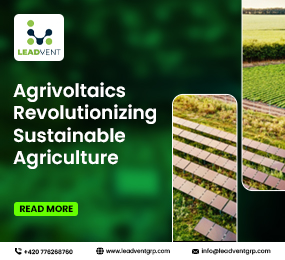
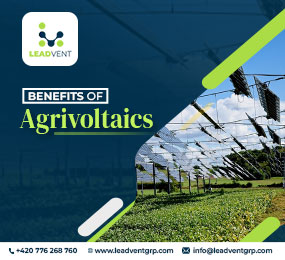
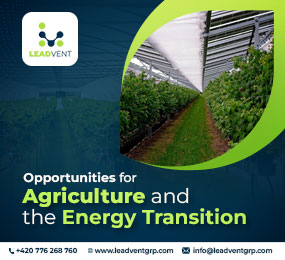
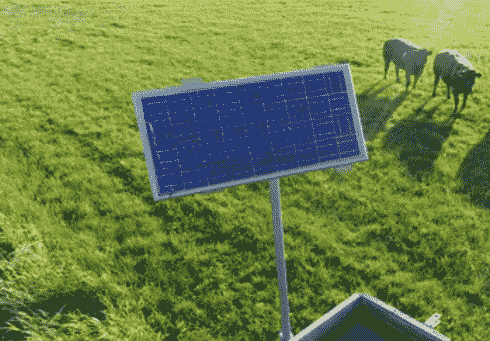
Another growing innovation is agrivoltaics, where solar panels are installed above or alongside crops. This allows the same land to produce both food and renewable electricity. The partial shade from the panels can reduce water evaporation, help maintain soil moisture, and protect certain crops from excessive heat, creating better growing conditions in many regions.
Beyond reducing costs, solar energy creates new income opportunities. Farmers who generate more electricity than they use may be able to sell excess power back to the grid where local regulations allow. This additional revenue can help strengthen farm finances and support future investments.
Solar power also contributes to environmental sustainability by reducing greenhouse gas emissions and decreasing reliance on fossil fuels. As governments and agricultural industries continue to promote climate-smart farming, solar energy is becoming an essential tool for improving productivity while protecting natural resources.
Takeaway Point
Solar energy helps farms lower operating costs, improve irrigation, power essential equipment, and support sustainable farming practices. By combining clean energy with modern agriculture, farmers can increase productivity, strengthen resilience, and contribute to a more sustainable future.
Learn more on our website: https://www.leadventgrp.com/event/5th-annual-agrivoltaics-europe/register
For more information and group participation, contact us: [email protected]
Leadvent Group - Industry Leading Events for Business Leaders!










Comment