

Wind Power: A Reliable Path Toward a Cleaner Energy Future
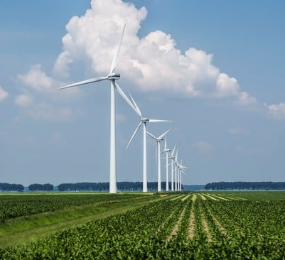
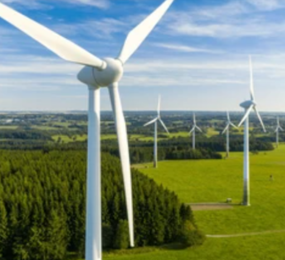
Wind power has grown from a niche technology into one of the most dependable sources of renewable energy worldwide. From open plains to offshore coastlines, wind turbines are now a familiar part of the landscape, quietly converting natural air movement into electricity that powers homes, industries, and communities. This growth reflects not just technological progress, but a broader shift in how societies think about energy security, sustainability, and long-term planning.
At its simplest, wind power harnesses the kinetic energy of moving air. As wind turns turbine blades, a generator converts that motion into electricity. While the principle is straightforward, modern wind turbines are highly engineered systems designed to operate efficiently in a wide range of conditions. Advances in blade design, materials, and digital monitoring have significantly improved performance, reliability, and lifespan.
One of the strongest advantages of wind power is its environmental profile. Wind energy produces electricity without burning fuel, releasing greenhouse gases, or consuming water during operation. This makes it a key tool in reducing carbon emissions and limiting the environmental impact of energy generation. For countries seeking to meet climate targets while maintaining reliable power supply, wind has become a practical and proven option.
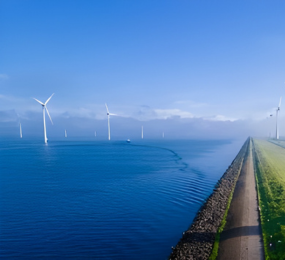
Wind power also plays an important role in energy independence. By relying on a locally available resource, regions can reduce exposure to volatile fossil fuel markets and geopolitical supply risks. Onshore wind farms can often be developed relatively quickly, while offshore wind projects, though more complex, offer access to stronger and more consistent wind resources, especially near densely populated coastal areas.
Beyond environmental benefits, wind power contributes to economic development. The sector supports a wide range of jobs, from manufacturing and construction to operations, maintenance, and data analysis. Local communities often benefit through land lease payments, tax revenues, and infrastructure investment. As supply chains mature, the economic impact of wind energy continues to expand.
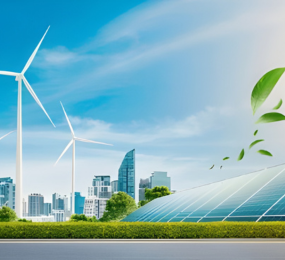
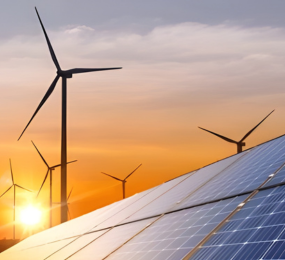
That said, wind power is not without challenges. Wind availability varies by location and time, requiring careful planning and integration with the wider energy system. Grid operators must balance supply and demand, often using energy storage, flexible generation, or complementary renewables such as solar. There are also considerations around land use, visual impact, and wildlife protection, all of which require thoughtful design and stakeholder engagement.
Technology continues to address many of these concerns. Taller towers and longer blades allow turbines to capture steadier winds at higher altitudes. Digital tools and data analytics improve forecasting, maintenance, and grid coordination. As a result, wind power is becoming more predictable and easier to integrate into national energy mixes.
Looking ahead, wind power is set to remain a cornerstone of the global energy transition. Its scalability, declining costs, and environmental benefits make it well suited to meet growing electricity demand while supporting sustainability goals. Rather than a temporary solution, wind power is increasingly seen as a long-term investment in a cleaner and more resilient energy future.
Takeaway Point
Wind power offers a practical balance of environmental responsibility, energy security, and economic opportunity, making it a vital component of the transition toward a more sustainable global energy system.
Learn more on our website: https://www.leadventgrp.com/event/7th-edition-windpower-data-and-digital-innovation-forum/register
For more information and group participation, contact us: [email protected]
Leadvent Group - Industry Leading Events for Business Leaders!
www.leadventgrp.com | [email protected]






Comment