Our Speakers
Become A SpeakerAbout The Event (#EVcharging)
The deployment charging infrastructure is the prerequisite for the spread of electric vehicles. A well-established charging network increases vehicle miles using electricity, relieves range anxiety and reduces inconvenience concerning charging process. EVs are visualized to dominate the future mobility market in the Europe. However, a robust charging infrastructure, necessary to make e-mobility a complete reality, is seen as lagging behind requirements.
The discrepancy in the development of EVs and its charging infrastructure is being recognized across Europe. V2G (vehicle to grid) applications are also evolving at a great pace. The fundamental issues being considered, thus, revolve around where to charge the EVs, who will build the charging infrastructure, and whether electricity grids or fast- or ultra-fast charging network will be ready for the envisioned EV growth.
Read more
35+
Speakers

150+
Attendees

10+
Sponsors
Event Inclusions

EXHIBITION
Benefit from the exhibition on site, where topic-specific products and services will be displayed!

MEET THE SPEAKERS
During the breaks, the speakers will be available for your individual questions and further discussions.

LIVE POLLS ON SITE
Ask your specific questions on current issues and benefit from the answers of the conference´s expert audience!

MARKET OUTLOOK
Hear from experts with cutting-edge intelligence on the outlook of tomorrow’s markets

INDUSTRY INSIGHTS
Gain valuable insights into the latest project developments and opportunities

NETWORKING
Connect with top industry professionals from around the country
Event Highlight
Content Highlights Include
Event Details
About the event
Electric vehicle (EV)s are the key technology to decarbonise road transport, a sector that accounts for over 15% of global energy-related emissions. Recent years have seen strong growth in the sale of electric vehicles together with improved range, wider model availability and increased performance. Electric vehicle (EV) charging infrastructure is a cornerstone of sustainable smart cities, enabling cleaner transportation and reducing emissions. From integrating charging stations into urban landscapes to leveraging IoT and fast-charging technologies, cities worldwide are reimagining mobility. for cleaner transportation. The global electric vehicle charging infrastructure market size was estimated at USD 37.98 billion in 2024 and is predicted to increase from USD 47.61 billion in 2025 to approximately USD 415.58 billion by 2034, expanding at a CAGR of 27% from 2025 to 2034.
Global EV charging ports to increase CAGR of 12.3% from 2026-2040, reaching 206.6M total ports.The growth of the electric vehicle market continues to play a pivotal role in the decarbonisation of the transport sector and in achieving the government’s plan to get to nearly 1 million electric vehicles by 2030.
Europe region is expected to grow with highest CAGR in upcoming years. Strong growth of the region and government initiatives supporting e-vehicle industry and innovations in charging infrastructure models across the region are the major factors that will boost the growth of the region. Developed countries such as France, Netherlands, Germany, Norway, and the U.K. are among the leading countries in electric vehicle adoption and installing charging points. EU set a target to install 1 million charging points on public places for electric vehicles by 2024, and this target is 3 million by 2029. Apart from these, other European countries are also trying to reduce carbon emissions by increasing electric car deployment.
The residential charging market will continue to be the dominant segment, with 133 million ports globally by 2040, according to the report. To achieve this, annual global spend in EV charging infrastructure is expected to increase at CAGR of 8% from 2026-2040, reaching $300 billion
European public chargers growing at 11.3% CAGR through 2040, led by DC charger expansion at 13.7% CAGR. The residential segment will reach 57 million AC chargers by 2040, while commercial charging grows at 12% CAGR. Saudi Arabia stands out with exceptional 29% CAGR growth in public DC charging, supported by ambitious government targets. By 2040, the EMEA region will see annual spending of $14 billion in public charging and $30 billion in residential infrastructure.
Europe is leading the charge in the global EV market, second only to China. This surge is driven by visionary policies like the European Green Deal and ‘Fit for 55’, which aim to drastically reduce emissions and promote zero-emission vehicles. Over the past decade, the number of Electric Vehicles (EV) on European roads has skyrocketed, fueled by growing environmental awareness and the increasing availability of charging stations. According to GlobalData, by 2030, the EV market in Europe is expected to exceed 885 billion euros, encompassing both passenger cars and commercial vehicles.
The electric vehicle (EV) revolution is accelerating rapidly, driving the need for efficient, reliable, and scalable charging infrastructure. The EV charging market is growing fast, driven by a surge in electric vehicle production and widespread demand and as the EV adoption grows, stakeholders across automotive, energy, and technology sectors are in search of detailed insights to shape their strategies and investments. The EV industry is growing rapidly around the world, especially in China and the United States. The EV charging industry is a dynamic industry with a wide range of applications. Government initiatives of several countries around the world play a vital role in the development of electric vehicle charging stations.
In the next decade, the number of electric vehicles (EVs) on our roads will likely rise substantially, and we believe the bulk of the charging of these vehicles will take place at home. But readily accessible charging away from one’s home (or one’s workplace) will also be key to support EV growth.
According to Markets and Markets, the global electric vehicle charging station market size is projected to grow from 2,115 thousand units in 2020 to 30,758 thousand units by 2027, indicating a paradigm shift from conventional vehicles to electric vehicles. Developing adequate EV Charging infrastructure to cater to the rising demand for EVs on the road is the need of the hour.
Government initiatives to drive the adoption of electric vehicles and associated infrastructure, rising demand for electric vehicle fast-charging infrastructure, increasing prevalence of range anxiety, and increasing deployment of EVs by shared mobility operators are the major factors supporting the growth of the market. Increasing R&D in V2G technology, increasing adoption of electric mobility in emerging economies, and growing deployment of charging stations by retail MNCs provide significant growth opportunities for market players.
While charging technology has been evolving at a faster pace, electrical infrastructure development across cities has remained a challenge. The European Automobile Manufacturers Association (ACEA) recently reported that at least 2.8 million electric charge points will be needed across the EU by 2030, a 20-fold increase needed to support the upcoming tide of electric vehicles over the next decade
This EV Charging Infrastructure 2026 event is set to become the world’s leading conference exclusively for the automotive and electrical power industry, to meet and collaborate with a large array of charge point developers and policymakers, to examine new developments in electrical infrastructure and charge point technologies and address how the industry plans to support the growing use of electric vehicles.
This event will bring together industry experts and decision-makers responsible for EV charging infrastructure and all industry stakeholders across the automotive and electrical industries to network and build cross-market relationships, discuss the current state of smart charging and V2G solutions, explore new technologies and innovations addressing the real challenges of charging infrastructure. The programme will focus on what the 2030 challenges will mean for the EV ecosystem and how we could move towards a charging infrastructure that works for the consumer, system and energy transition.
The Future of EV Charging Infrastructure and Technology
The electric vehicle (EV) market has grown significantly over the recent years. With advancements in technology, growing environmental awareness, and supportive government policies, more consumers are switching from traditional combustion engines to electric alternatives. This shift in the automotive sector is fueled by the need to reduce greenhouse gas emissions, decrease reliance on fossil fuels, and address the growing concerns about climate change.
As the number of electric vehicles on the road increases, the demand for a robust and efficient EV charging infrastructure becomes critical. Without a well-established network of charging stations, EV adoption could be hindered by range anxiety—drivers’ fear of running out of battery power without access to a charging station. Efficient charging infrastructure is essential not only for the convenience of EV owners but also for the sustainability and scalability of the electric vehicle ecosystem.
Electric vehicle (EV) charging infrastructure is pivotal to achieving the EU's ambitious climate goals and transitioning towards alternative energy sources. Accelerating the deployment of this infrastructure is vital to support the increasing adoption of both light and heavy-duty electric vehicles. Strategically rolling out EV charging stations is essential for reducing carbon emissions and enhancing energy security across Member States.
The future of transportation is rapidly evolving, and electric fleets are at the forefront of this transformation. As industry pivots towards sustainability, it is crucial for businesses to stay ahead of the curve and understand the latest trends, opportunities, and challenges. The 4th Annual EV Charging Infrastructure Forum will offer an overview of the EU's policy frameworks and initiatives, highlighting opportunities for innovation and pathways to address current challenges. This workshop will feature insightful presentations from key industry leaders and charging solution providers to explore all aspects of EV charging (financing, infrastructure, operability, fleet management, etc), discuss e-mobility challenges and opportunities and as well as insightful discussions that will address key challenges and technical aspects of maintaining and ensuring the operability of EV charging. This summit will aims to facilitate a collaborative dialogue among stakeholders, exploring avenues for collaboration to foster innovative solutions that can accelerate EV adoption, enhance the resilience of electricity grids, improve EV charging convenience and reduce transport costs for EU citizens and businesses.
During this event you can expect keynote speakers with deep industry knowledge and insights, panel discussions on technology advancements, fleet management, and charging infrastructure, and great networking opportunities with leading professionals in the EV and logistics sectors.
Explore
Explore our Event & Matchmaking App and Improve your Interaction at Leadvent Group Conference Schedule your meetings in advance!
At the Leadvent Group conference you can request and organize your appointments by using a matchmaking app. Through the networking tool, each participant can create an individual profile. Guided by categories and keywords, attendees can search, find and approach interesting contacts. There will also be a networking area provided at the event of the conference. Your profile data and the details you provide are visible exclusively for registered participants within the event. You will oversee the information you would like to present and to whom. Our matchmaking app will be activated approximately one month prior to the conference and you will be notified vie e-mail as soon as you can start using the matchmaking App and can then set up your personal profile.


Venue







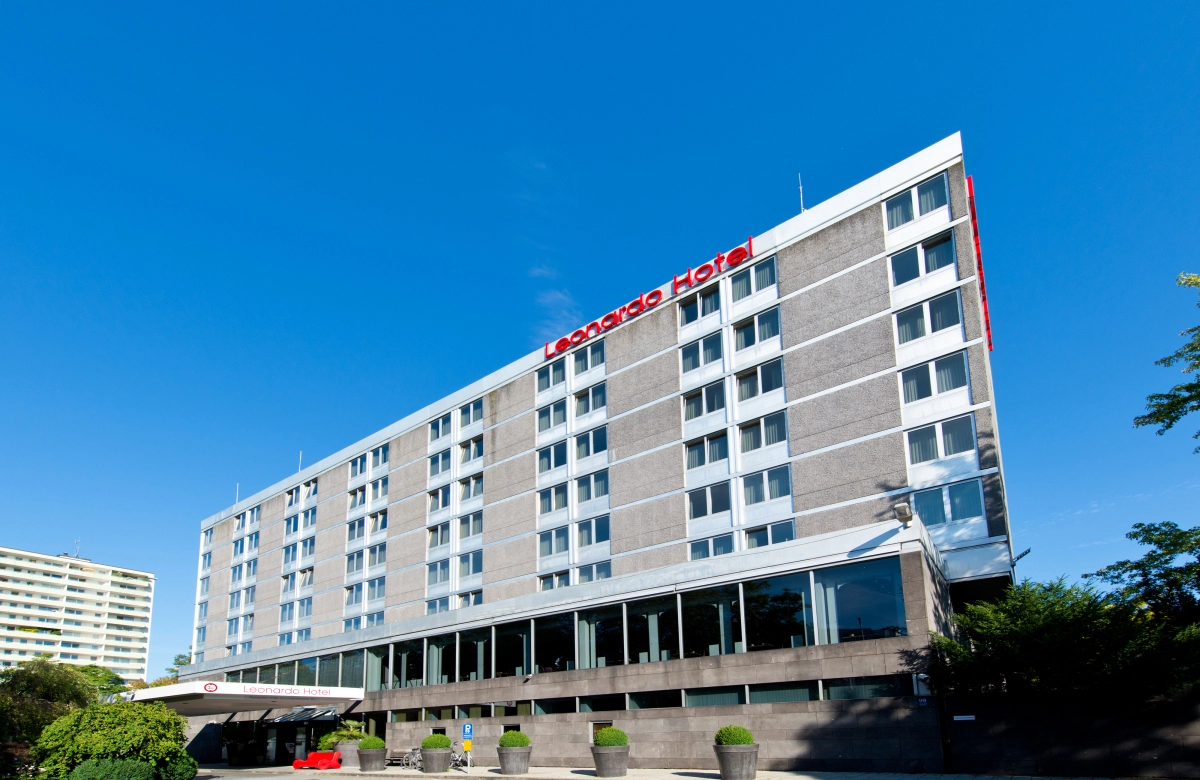
Join us in Munich on the 25th - 26th February, 2026
Venue:
Leonardo Munich Arabellapark
Address:
Effnerstraße 99 | 81925
Munich
Booking Details
Rooms are booked under the keyword “LEADVENT”. Participants can reserve their rooms directly with the hotel using the following contact details:
Phone: +49 89 62039 779
Email: [email protected]
Effnerstraße 99 | 81925
Munich
Email : [email protected]
Booking Details
Rooms are booked under the keyword “LEADVENT”. Participants can reserve their rooms directly with the hotel using the following contact details:
Phone: +49 89 62039 779
Email: [email protected]
Past Speakers

Stian Mathisen

Recharge
Head of Public Relations and Regulatory Affairs
 Show Bio
Stian Mathisen
Recharge
Head of Public Relations and Regulatory Affairs
Stian Mathisen has been working with EV charging since 2015. He has been part of building Recharge as the largest open charging network in the Nordics and Norway. He is currently Head of Public Relations and Regulatory Affairs at Recharge, and his background is from the energy sector where he has been particularly involved with wind power. Before that he worked with EU issues at the Norwegian Ministry of Foreign Affairs. Stian holds an MA in Sociology.
Jakob Rogstadius

RISE, Mobility and Systems
Senior Researcher
Show Bio
Jakob Rogstadius
RISE, Mobility and Systems
Senior Researcher
Jakob Rogstadius is a Senior Researcher in electromobility at RISE (Research Institutes of Sweden), based in Gothenburg.
He holds a PhD in informatics engineering and works at the intersection of transport, energy systems, and data-driven decision support.
His research focuses on pathways to decarbonize heavy road freight, including charging infrastructure planning, techno-economic modeling, and the system-level impacts of Electric Road Systems (dynamic charging).
He collaborates with public agencies and industry to translate modeling insights into practical guidance for infrastructure investments and policy

Claudio Vittori

S&P Global Mobility
Commercial Enablement Principal | Plan & Build
Show Bio
Claudio Vittori
S&P Global Mobility
Commercial Enablement Principal | Plan & Build
Claudio is a Manager at S&P Global Mobility within the Auto Supply Chain, Technology & Aftermarket team. His research focus lies in electric vehicle components and charging infrastructure. He is also partly involved in other aspects related to the charging infrastructure such as consumers preferences, policies, regulations, incentives and energy-grid management.
Claudio has an extensive e-mobility background having worked for the previous ten years on some of the largest European electric vehicle projects in Switzerland, Germany and Italy. His expertise also includes a work experience in an international electric vehicle start-up.
Volker Rossmann

Pixii
Chief Sales Officer
Show Bio
Volker Rossmann
Pixii
Chief Sales Officer
Volker Roßmann started his professional career at the DSO HEAG as a Technician for Energy Systems and Metering. After this, he obtained his graduate as an engineer (Dipl.-Ing) for Energy and Power Electronics at the University of Applied Sciences in Darmstadt. He worked then with Bosch in Automation-Technologies, with Voigt & Haeffner in the design of UPS systems, and with Fiamm (Italy) as a sales director for Industrial Battery Systems in the DACH region. After this he was for more than 20 years Managing Director of Eltek in Germany and responsible for the Eltek business in Europe. Against this background, he held over more than 20 years a seat in the board of the Employers Association HE-Metall and several honorary positions in ZVEI and other business associations. Volker Roßmann joined Pixii in February 2022 in his role as the CSO of Pixii and the Managing Director of the European Sales HQ in Germany
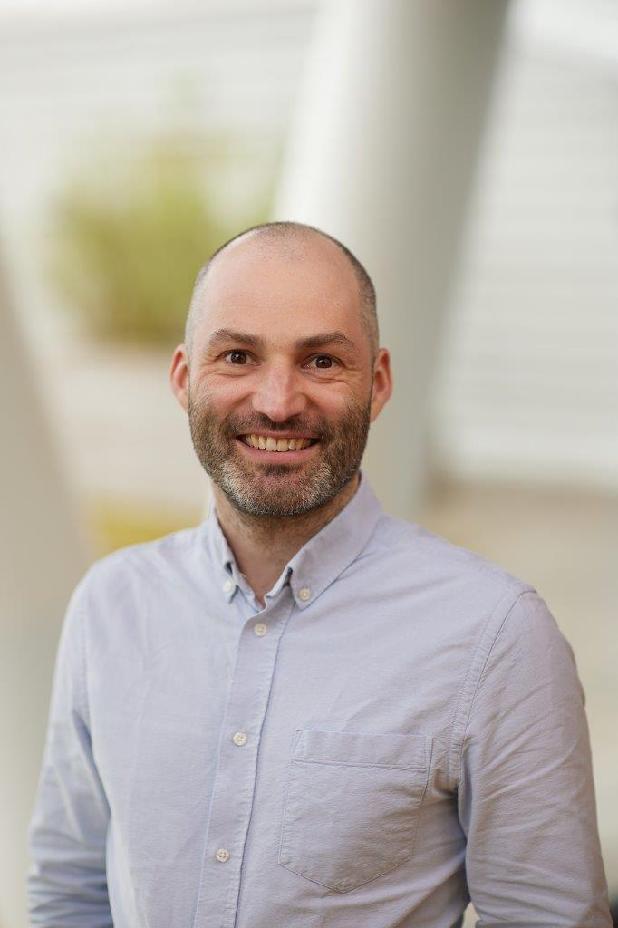
Laurin Vierrath

50Hertz Transmission GmbH
Energy Economics
Show Bio
Laurin Vierrath
50Hertz Transmission GmbH
Energy Economics
Laurin Vierrath / Energy Economics / 50Hertz Transmission GmbH Laurin Vierrath, Electric Engineer, with a history in hard- and software development. Joined 50Hertz 2 years ago to bring the energy transition to the end consumers, while keeping an eye on grid stability
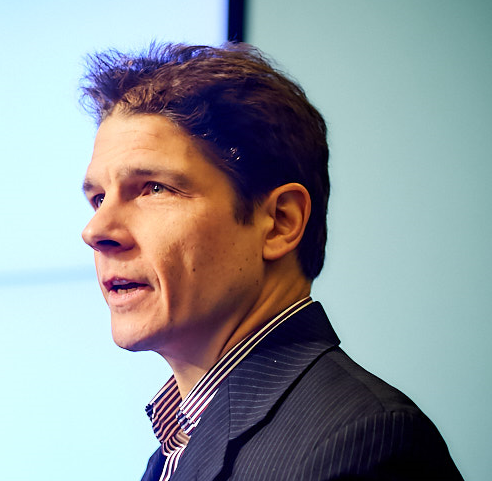
Aaron Berry

Department for Transport
Deputy Head, Office for Zero Emission Vehicles (energy and infrastructure)
Show Bio
Aaron Berry
Department for Transport
Deputy Head, Office for Zero Emission Vehicles (energy and infrastructure)
Aaron Berry is Deputy Head of the Office for Zero Emission Vehicles (OZEV) at the UK Department for Transport, a post he has held for the past three years. OZEV work to support the UK’s objective to transition to zero emission vehicles. Aaron leads teams responsible for regulation and incentive schemes that support the roll-out of local chargepoint infrastructure for electric vehicles. Aaron studied at Keele University where he graduated with a first class degree in environmental management and business

Despina Chatzikyriakou

ZEEKR Europe
Head of Charging and Energy Solutions
Show Bio
Despina Chatzikyriakou
ZEEKR Europe
Head of Charging and Energy Solutions
Dr. Despina Chatzikyriakou joined ZEEKR Europe in April 2023, leading ZEEKR Power strategy and operations. With a clear target to deliver an intelligent, rewarding, and convenient customer experience as well as to quickly setup and expand the ZEEKR brand in Europe, ZEEKR Power is aiming at adding value to European customers by combining e-mobility with charging and energy services and products. Prior to joining ZEEKR Europe, Dr. Chatzikyriakou spent 10 years at Toyota Motor Europe, holding various positions in R&D, innovation, hydrogen/fuel cell, batteries, global energy strategy and eventually battery electric vehicle strategy and rollout, with the overall responsibility for Toyota and Lexus' charging and energy strategy in Europe. Dr. Chatzikyriakou holds a PhD in Mechanical Engineering from Imperial College London followed by postdoctoral studies in Nuclear Science and Engineering at the Massachusetts Institute of Technology. She is the author of various scientific publications as well
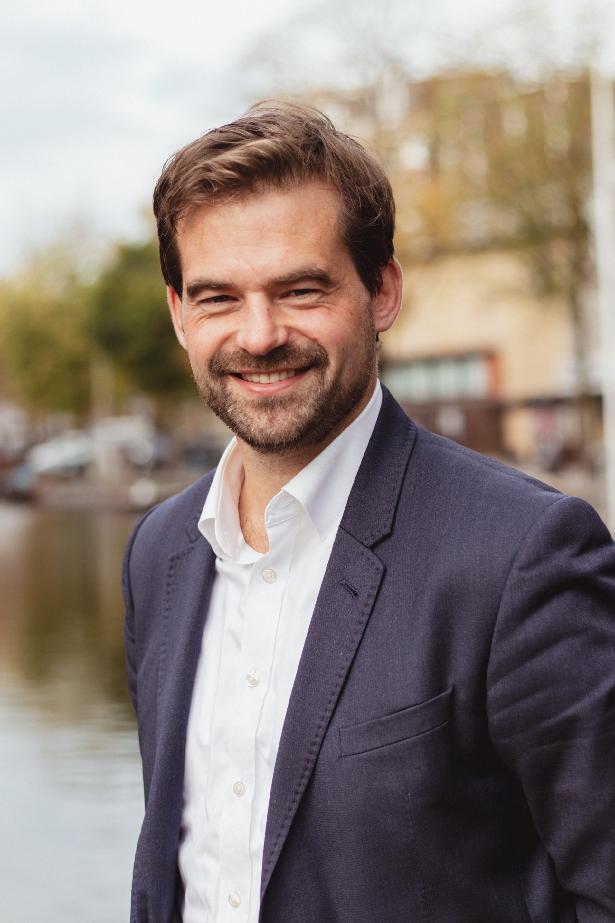
Tim van Pelt

ING
Global Lead Batteries & Charging, Sustainable Value Chains
Show Bio
Tim van Pelt
ING
Global Lead Batteries & Charging, Sustainable Value Chains
Tim has over 15 years of experience in the energy transition space. He is currently responsible for ING’s activities in the battery value chain and charging as part of the cross-sector and cross-product Sustainable Value Chains team. On behalf of ING and lenders, he led the Northvolt Ett financing and is currently acting as adviser in several landmark transactions in the battery value chain. He has led transactions in offshore and onshore wind, and battery storage assets in Europe in the past.
Before his time in Sustainable Value Chains, Tim spent three years in Financial where he was the Global Coordinator for the TMT&HC sector. Tim has worked in ING in different capacities and joined through the company’s management traineeship in 2009.
Tim graduated from Delft University of Technology (TU Delft) as a management engineer in 2008. He obtained an earlier degree as a computer science engineer in 2004 from the Swiss Federal Institute of Technology in Lausanne (EPFL). Tim is a CFA Charterholder.
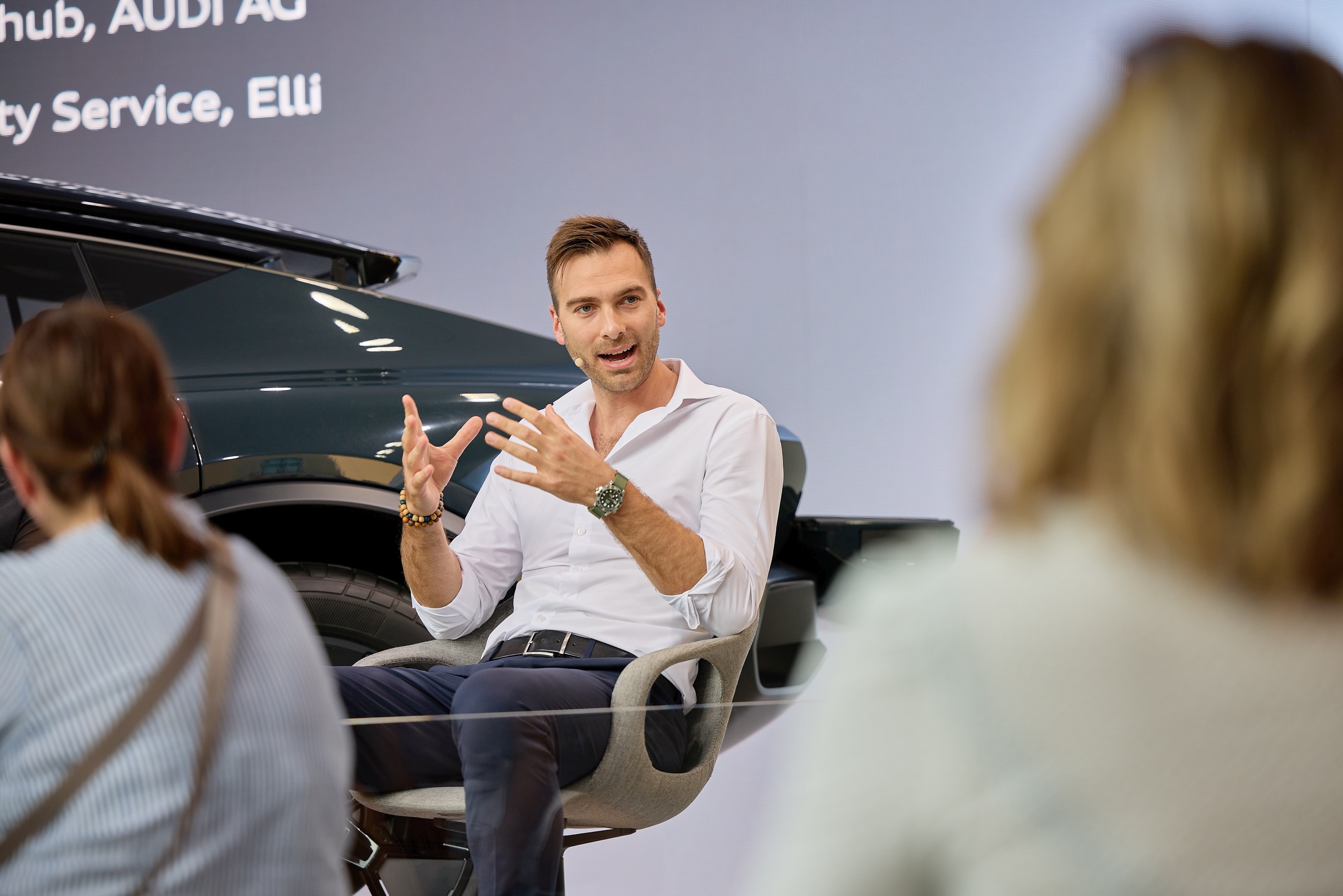
Dr. Brendan Koehler
Elli - A Brand of the Volkswagen Group
Vice President – MSP
Show Bio
Dr. Brendan Koehler
Elli - A Brand of the Volkswagen Group
Vice President – MSP
Dr. Brendan Koehler, Vice President – Sales Unit MSP at Elli, has been working in the e-mobility sector for over 10 years and is passionate about driving the energy transition in the automotive industry. As a part of the Volkswagen Group, Elli is a key pillar in Volkswagen’s AG to transition to an electric future. Elli focuses on driving new and innovative solutions in the charging industry and is proactively expanding it’s foothold into the energy market. Elli aims to offer innovative solutions for load management, energy market optimization, and energy trading. Brendan leads the public charging domain at Elli; operating one of the largest MSPs in Europe, the challenge for Elli is to work with the industry to continuously improve the public charging experience with a focus on increased reliability and usability.

Michael Bunker

KPMG
Strategic Advisory
Show Bio
Michael Bunker
KPMG
Strategic Advisory
Michael leads the development of the EV proposition within the KPMG’s Future Mobility team, as part of the Infrastructure Advisory Group. Michael has advising multiple private and public sector clients on their transition to zero emission technology and zero emission refuelling infrastructure, supporting clients develop new financing and transition propositions for fleets, and leading bids to secure funding through Government schemes. This has involved complex deal support, consortium structuring, and strategy support to shape initiatives to align to the objectives of a wide array of clients.
Charlotte Patch

Ofgem
Head of Electrification of Heat and Transport Strategy
Show Bio
Charlotte Patch
Ofgem
Head of Electrification of Heat and Transport Strategy
Charlotte is an experienced economist and strategist, and has worked across a range of government departments and policy areas, with a keen interest for economic policy and understanding how the decisions government and regulators make impact the public. Currently, Charlotte leads Ofgem’s as Electrification of Heat and Transport Strategy. She brings her range of expertise to help identify and resolve strategic issues, and an enthusiasm to learn and a passion to help deliver a low cost and effective rapid adoption of EVs - a critical part of the transition to net zero.

Juliet Flamank

Green Finance Institute
Associate Director
Show Bio
Juliet Flamank
Green Finance Institute
Associate Director
Juliet joined the GFI in March 2022, and is the Associate Director leading the GFI’s Transport Team, looking after the GFI’s work on charging infrastructure, HGVs and the UK battery supply chain. She leads on bringing a series of financial products including Utilisation Linked Finance and a Battery Investment Facility to market.
Juliet joined the GFI from the Power, Utilities, and Infrastructure Investment Banking team at Jefferies where she had been since 2019.
Whilst an Associate at Jefferies, she worked on several deals within the green energy and energy transition sector involved in the successful completion of several infrastructure transaction.
She holds a BA in Philosophy, Politics and Economics from the University of Oxford.

Stefan Herr

Evailable GmbH
Managing Director
Show Bio
Stefan Herr
Evailable GmbH
Managing Director
Stefan Herr is Managing Director of Evailable GmbH and has been shaping e‑mobility in Germany since 2009.
In the early years, he was involved in developing one of the country’s first AC chargers and contributed to the definition of the communication standard ISO 15118.
At Evailable, he is responsible for the strategic and product evolution of the platform and leads a clear focus on reliability in charging operations: the goal is for drivers to depend on every single charging session.
Based in Essen, he drives partnerships and hands‑on initiatives that measurably reduce real‑world operational issues and enable scaling for Charging Point Operators.
Scott Dwyer

University of Technology Sydney
Research Director
Show Bio
Scott Dwyer
University of Technology Sydney
Research Director
Dr Scott Dwyer is a Research Director at the University of Technology Sydney. He has over 15 years’ experience in leading transdisciplinary teams as part of complex energy research projects across Europe, Asia, and Australia. His main research interests relate to the opportunities and challenges posed by the transitioning energy system, especially those relating to markets, customers, technologies, policies, and business models. Dr Dwyer leads a number of major EV-related research projects. He is also a regular contributor to The Guardian, The Conversation, ABC News, Nikkei Asia, China Global Television Network, and others on issues relating to EVs and energy.

Andreas Kammel

TRATON
Vice President Alternative Drivetrains
Show Bio
Andreas Kammel
TRATON
Vice President Alternative Drivetrains
Andreas Kammel is Vice President Alternative Drivetrains at TRATON, the parent company of the commercial vehicle brands Scania, MAN, International and Volkswagen Truck & Bus. He received his Master‘s in physics under Stephen Hawking at the University of Cambridge and holds a PhD from a Max-Planck-Institute in Munich. Prior to joining TRATON in 2017, he worked as an author as well as a consultant for McKinsey & Company
Wickaum Smith

Green Giraffe Advisory
Adviser
Show Bio
Wickaum Smith
Green Giraffe Advisory
Adviser
Wickaum joined Green Giraffe Advisory five years ago and chairs the company’s EV knowledge team. During his time with Green Giraffe Advisory, he has supported on capital raise ranging from EUR 50 M to EUR 500 M, with a focus on green field projects, in particular early-stage capital raises. Prior to joining Green Giraffe Advisory, he worked in Southern Africa as a financial advisor on public sector transport, energy and water infrastructure.

Anne-Lise Deraedt

Einride
Vice-president EMEA, Energy & Charging Infrastructure
Show Bio
Anne-Lise Deraedt
Einride
Vice-president EMEA, Energy & Charging Infrastructure
Anne-Lise is responsible for the EMEA team focusing on charging infrastructure at Einride, where she plays a pivotal role in advancing the region's transition to sustainable transportation. In her current role, she leads a diverse team from business and partnerships development to seamless implementation and operations of cutting edge charging solutions across the region. Before taking on this role, Anne-Lise gained extensive experience at Scania, where she worked on the trucks OEM side. Her expertise spans engineering, project management in military tenders, and the development of autonomous solutions. She holds a Master’s degree in materials science engineering from the EEIGM (Nancy, France)

Jeanne Buee

Rho Motion
Senior Research Analyst -Energy & Charging
Show Bio
Jeanne Buee
Rho Motion
Senior Research Analyst -Energy & Charging
I am a Senior Research Analyst at Rho Motion by Benchmark Mineral Intelligence. Before Rho Motion, I was a Research Associate at Wood Mackenzie on the Gas and LNG desk, and before this, I worked in the International Development and Policy Research sector in Paris.
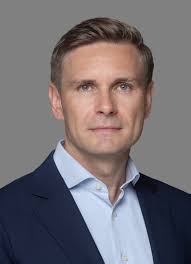
Martin Weissbart

Roland Berger
Principal
Show Bio
Martin Weissbart
Roland Berger
Principal
Martin Weissbart is a Principal at Roland Berger. He leads the Infrastructure Investor Support in the DACH region and has a particular focus on BEV as well as EV charging across Europe.
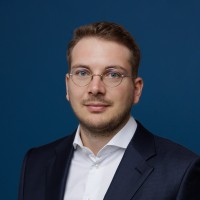
Jonas Kick

Roland Berger
Senior Project Manager
Show Bio
Jonas Kick
Roland Berger
Senior Project Manager
Dr. Jonas Kick is a Senior Project Manager at Roland Berger. He co-leads the Infrastructure Investor Support in the DACH region and has a particular focus on BEV as well as EV charging across Europe.

Thomas McLennan
BVRLA
Director of Policy and Public Affairs
Show Bio
Thomas McLennan
BVRLA
Director of Policy and Public Affairs
Thomas leads the BVRLA Policy and Public Affairs function, working with Government, public sector agencies, industry associations and key business influencers to make the case for the sector across a wide range of issues.
The BVRLA represents over 1,000 companies engaged in vehicle rental, leasing and fleet management. Our membership is responsible for a combined fleet of nearly 4.1 million cars, vans and trucks – one-in-ten of all vehicles on UK roads

Shiva Noori

Cenex Nederland
Team Lead Circular Mobility
Show Bio
Shiva Noori
Cenex Nederland
Team Lead Circular Mobility
Shiva Noori is Circular Mobility Team Lead at Cenex Netherlands, Amsterdam. She is specialized in mobility, circular economy, and consultancy.
She holds a Ph.D. from TU Delft, where her research in techno-economic assessment, carbon footprinting, energy system modelling, and scenario analysis contributed significantly to advancing circular economy and industrial ecology.
In Cenex Nederland, she is driving projects at the intersection of circularity and sustainable mobility including Life Cycle Assessment (LCA), Eco-design, Extended Producer Responsibility strategies. Previously, she managed both industrial and Horizon Europe research projects. Her expertise in circularity technologies, energy systems, and digital transformation positions her as a leader in the field.

Jeremy Yapp

ev.energy
Policy & Regulation Director UK & EU
Show Bio
Jeremy Yapp
ev.energy
Policy & Regulation Director UK & EU
Jeremy has worked for the Australian Parliament and has held various roles in energy and environmental policy in the UK Civil Service, including the smart metering program.
He spent a decade as an industry representative and lobbyist for manufacturers in the UK electrotechnical sector.
He chaired the Technical Working Group of the UK’s EV Energy Taskforce, helped establish the UK Government’s Cyber Security Code of Practice & Partnership with Industry, was for some years a member of EnergyREV’s Strategic Advisory Board, and has contributed to countless other working groups and taskforces on smart metering, EV infrastructure, energy data and demand-side flexibility.
Jeremy is Policy and Regulation Director (EU & UK) for ev.energy, providers of managed charging servcies. He chairs the smartEn e-mobility taskforce and is a passionate advocate for energy flexibility as the foundation of a clean power system.
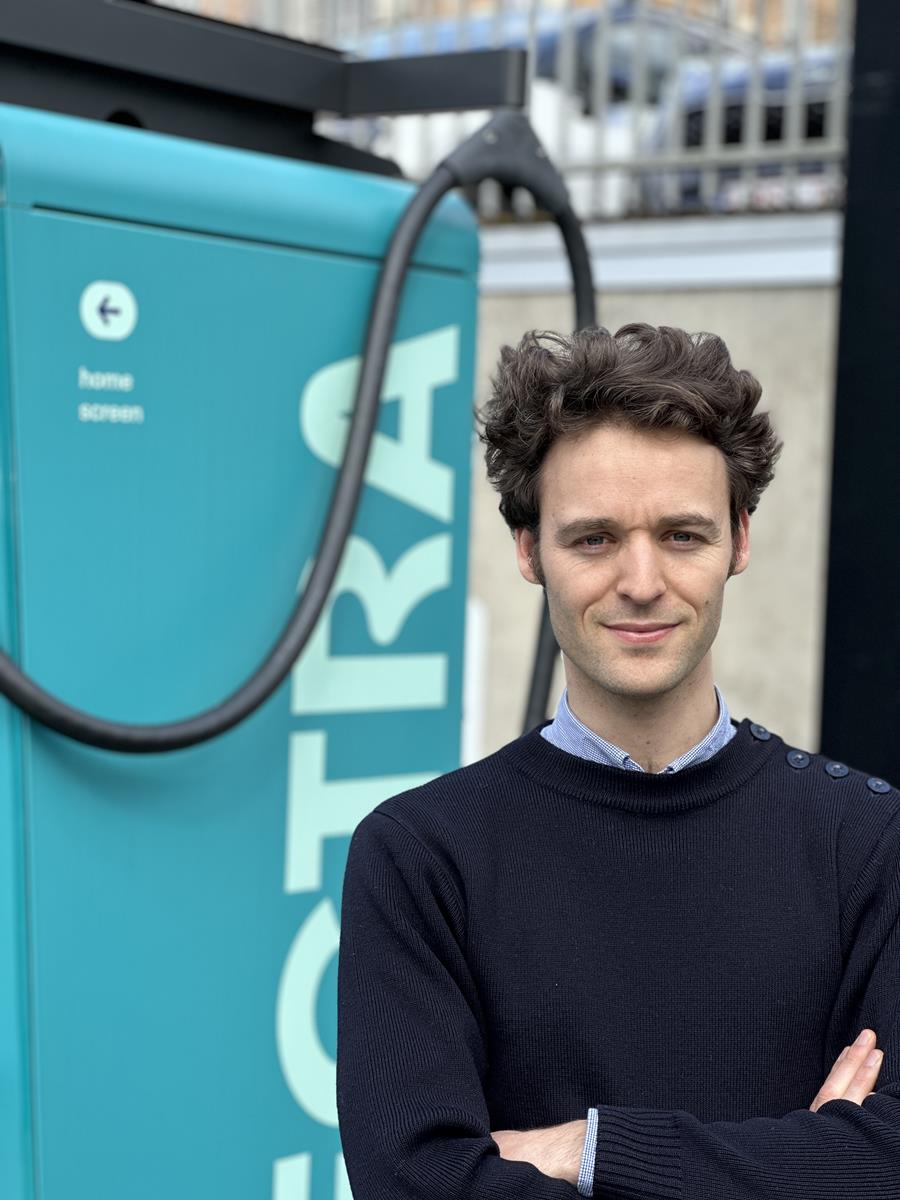
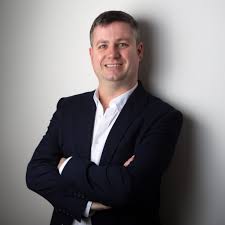
Louis-Charles Mosseray
Electra
General Manager Electra BeNeLux
Show Bio
Louis-Charles Mosseray
Electra
General Manager Electra BeNeLux
Louis-Charles Mosseray is an engineer born in 1992, with a profound impact on the mobility and energy sectors.
His career began with a manager role at McKinsey & Company, where he provided strategic advice to key stakeholders within these industries.
Demonstrating a strong entrepreneurial spirit, Louis-Charles went on to establish two ventures, one in the health sector and the other in energy.
In the Summer of 2022, Louis-Charles embarked on a pivotal role with Electra, spearheading the company's international expansion efforts, starting with the first countries opening of Electra, starting with Belgium and Luxembourg in 2022, and more recently the Netherlands in 2024.
His leadership has been instrumental in navigating the complexities of international markets and setting the stage for Electra's growth across Europe (now active in 9 European countries).
Beyond his professional achievements, Louis-Charles is a proud father of two, balancing his career ambitions with family life. His interests include entrepreneurship, energy, mobility, and the challenges of scaling businesses. Louis-Charles is passionate about sharing his knowledge and experiences, making him a sought-after speaker and mentor in the fields of mobility and energy transformation.
With nearly 450 charging points in Belgium, Electra has risen in less than a year and a half to become the number 1 charging point operator in the country
David Cornish

Techniche
Product Specialist - Techniche EV
Show Bio
David Cornish
Techniche
Product Specialist - Techniche EV
David Cornish is Product Specialist at Techniche, a global technology business.
David joined Techniche in 2010 and was central to the design and development of Urgent, a maintenance management platform designed and developed specifically for fuel and convenience retailers.
David brings his extensive experience of working with international and national fuel retailers to the EV industry.
He works with charge point operators to improve the reliability of their charging infrastructure through the automation of their charger maintenance.
David has a wealth of technology and electronics expertise, having spent more than 20 years developing software and hardware solutions across multiple industries.
David is a champion of electric vehicles and the shift to sustainable transport.

Hugo Niesing

City of Amsterdam
Charging Infrastructure Energy Strategist
Show Bio
Hugo Niesing
City of Amsterdam
Charging Infrastructure Energy Strategist
Hugo Niesing is an Amsterdammer who has been living on his (now) sustainable houseboat for 34 years, the first 7 years without water, gas and electricity.
That’s when his energy ambition started. Realising as much as possible with the local resources at your disposal by adaptation and storage is essential and the challenge he has been working on afterwards.
Hugo Niesing’s work is fully focused on the smart integration of renewable energy, flexible consumption and e-mobility for Europe’s city transition.
Hugo Niesing is the director of Resourcefully and supporting the municipality of Amsterdam Hugo accelerating the transition towards a carbon free society, with a strong focus on energy, mobility and it's smart integration in the energy system.
The biggest actual project is the upscaling of flexible charging of the 8100 public charging points in Amsterdam. Grid congestion combatting is a main issue in Amsterdam, otherwise the transition and lot's of developmengts are blocked .
Further innovation projects focus on the flexible integration of renewable energy for electric mobility, avoiding grid congestion and applying V2X-solutions in Amsterdam the EU-funded projects Drive2X and setting up a flexible, self-supporting energy community in the FlexCitizen pilot.
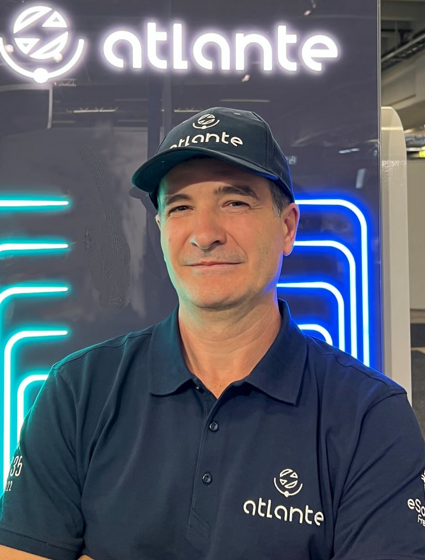
Stefano Terranova

Atlante
Chief Executive Officer
Show Bio
Stefano Terranova
Atlante
Chief Executive Officer
Stefano Terranova is the Chief Executive Officer of Atlante, a leading electric mobility player in Southern Europe.
Appointed in October 2021, Stefano transformed what was at that time just a concept into a fully operational company across four major countries. Since then, he has overseen the formation of Atlante from scratch, developing the organizational structure and recruiting a talented team to execute ambitious growth plans across Europe.
Atlante now operates in Italy, France, Spain, and Portugal, with over 2,500 charging points online and more than 3,000 under construction or in development.
Stefano’s leadership has been crucial in establishing Atlante as a key player in the European electric vehicle fast charging infrastructure market.
He has spearheaded partnerships with major entities such as Stellantis, Mastercard, and the French Government’s CDC, among others.
Under his direction, Atlante has achieved significant milestones, including securing €90 million in EU grants under the CEF Transport program, winning public and private tenders across four countries and most importantly setting up a full digital tech and platform to operates its stations.
Before setting up Atlante, Stefano held senior leadership roles at ENGIE, where he served as Head of Acquisitions, Investments, and Financial Advisory (AIFA) for Latin America, the Middle East, Africa and South Asia.
During this time, he contributed to the development of renewable energy portfolios and led complex financing projects that raised over USD 20 billion in capital.
His experience also includes a top leadership position at AMEA Power, roles in investment banking with Credit Agricole in London and senior management positions with International Power Plc (a then FTSE100 company).
Stefano holds a Master’s of Science in Economics and Finance from the University of York and a degree in Economics and Commerce from the University of Rome, where he graduated with honors.
He is also a CFA® charterholder. Stefano is married with two daughters, and in his free time, he enjoys entertaining friends, traveling, reading and the outdoors.
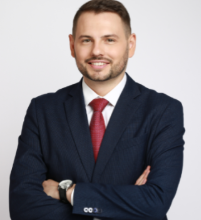
Rémi Bibal

Ford Motor Company
Country Manager Ford Pro Solutions France
Show Bio
Rémi Bibal
Ford Motor Company
Country Manager Ford Pro Solutions France
Rémi Bibal is a dedicated sales leader with a passion for developing talent and driving sales growth in the constantly changing E-mobility segment. With a proven track record and extensive experience in both the energy and automotive sectors, Rémi currently serves as the Country Manager for Ford Pro Solutions in France, implementing a comprehensive connectivity ecosystem for commercial customers.
Rémi held key roles at TotalEnergies, where he spearheaded the creation of new charging business models to launch and then accelerated the ambitious goals of deploying AC & DC chargers.
Rémi holds an MBA and a Bachelor of Business Management from the University of Wisconsin, and his background also includes various volunteer roles in the United States and across Europe.

Maria Estenstad Friis

Circle K E-Mobility
Director Charge Point Operator
Show Bio
Maria Estenstad Friis
Circle K E-Mobility
Director Charge Point Operator
Maria heads up the Charge Point Operator function in Circle K and is responsible for developing and operating a leading HPC network across Europe.
Maria has been a part of Circle K’s eMobility team since the establishment in 2017, starting with a focus on Norway as a laboratory for developing EV charging solutions.
Today eMobility is a key strategic business area for Circle K which currently have more than 5000 retail locations in 12 European countries, in addition to more than 9000 locations in North America.
The aim for Circle K is to build a strong network of HPC chargers where it is easy for EV customers to charge. Prior to joining Circle K, Maria has experience as a management consultant for Deloitte.
She has a Master of Science degree in Industrial Economics and Technology Management from the Norwegian University of Science and Technology.

Lucy Hayward-Speight

Transport for London
Head of Transport Strategy & Planning for Environment
Show Bio
Lucy Hayward-Speight
Transport for London
Head of Transport Strategy & Planning for Environment
Lucy leads London’s transport policy relating to air quality and carbon emissions from transport.
High profile projects include the Ultra Low Emission Zone, the Low Emission Zone and the London Scrappage scheme.
She has driven through change with London’s taxi and private hire emissions policies and helped deliver London’s public electric vehicle infrastructure.
Lucy led on the London’s 2030 Electric Vehicle Infrastructure Strategy and associated forecasting of London’s requirements which built on her work with the Mayor’s EV infrastructure Taskforce previously.
Before TfL, Lucy has worked as a transport consultant advising on the environmental impacts of transport policies, plans and projects.

Adam Rindeskär

MAN Truck & Bus SE
Engineer e-Truck Charging Infrastructure
Show Bio
Adam Rindeskär
MAN Truck & Bus SE
Engineer e-Truck Charging Infrastructure
Adam is development engineer for Charging infrastructure at the MAN Truck & Bus Research and development – thus being part of TRATON group.
He focuses particularly on technical solutions for public truck charging infrastructure and interoperability.
He also has a background within E/E component development and Mechanical Engineering at Scania CV

Aral Voskamp

Port of Rotterdam authority
Advisor Sustainable Road Traffic
Show Bio
Aral Voskamp
Port of Rotterdam authority
Advisor Sustainable Road Traffic
Aral has been working in the field of sustainable road traffic for over a decade.
He joined Port of Rotterdam in 2021 where he wrote the strategy for decarbonizing road traffic in the PoR area.
The first public chargehub dedicated for trucks opened over a year ago. Currently, he focuses on understanding the users of the hub and the hurdles for logistics parties for transitioning to sustainable logistics.
He is also preparing the port for a second hub and helping logistics parties in the area with development of their own charge hubs.

Luis Hurtado

Milence
Director of Technology
Show Bio
Luis Hurtado
Milence
Director of Technology
Luis A. Hurtado Muñoz is the Director of Technology at Milence, a joint venture established in July 2022 by Daimler Truck, TRATON GROUP, and the Volvo Group.
Milence is committed to making the future of road transport fossil-free by building a reliable and high-performance charging network for all battery-electric heavy-duty trucks and coaches.
Luis brings over a decade of expertise in power systems, electric mobility, and charging technologies, coupled with a strong academic foundation in sustainable energy systems and smart grids.
At Milence, Luis is responsible for spearheading innovations in charging technology, defining cutting-edge solutions, and ensuring reliable, efficient, and effective operations for the company’s European-wide network of charging hubs dedicated to heavy-duty vehicles.
Academic background: Luis holds a Ph.D.
in Electrical Engineering and an M.Sc. in Sustainable Energy Technology from Eindhoven University of Technology, specializing in smart grids, demand flexibility, and energy innovation.
Career highlights: Luis began his career in e-mobility at Allego as a DC Technical Expert and Vendor Manager, where he focused on the high-power DC charging products.
After a successful period at Allego (2019-2021), he joined ABB’s product management team (2022), to develop the DC charging power platform. In October of 2022, Luis brought his expertise to Milence, where he now drives the innovation, development and deployment of truck charging solutions.
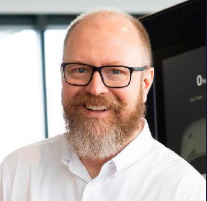
Tommi Melkko
Citywatt GmbH
Senior Business Development, Sales and Marketing Manager
Show Bio
Tommi Melkko
Citywatt GmbH
Senior Business Development, Sales and Marketing Manager
Tommi is Sales Director Germany at Lotus Flash Charge and responsible for GTM-activities and ramping up business relations in European key markets.
Lotus Flash Charge is a smart energy company inside Group Lotus, with the aim to provide integrated hardware & software charging solutions for global business and best-in-class EV charging services for users.
Before joining Lotus Flash Charge in February 2024, Tommi led the Key Account Management team at the world-famous racetrack, proving ground and event location Nürburgring, with special projects including alternative drivetrain-, charging infrastructure- and sustainability-topics.
Before his 11-year stint at the Nürburgring, he held different roles in PR and marketing - with focus on lifestyle, mobile communications and consumer electronics - and in sports management.

Tommaso Difonzo
ENGIE Laborelec
eMobility Manager
Show Bio
Tommaso Difonzo
ENGIE Laborelec
eMobility Manager
Tommaso, a native of Puglia, Italy, is a dynamic energy and electric vehicle manager. His journey in e-mobility began 14y+ ago with his 2011 thesis at the Polytechnic of Milan.
After his studies, he joined Enel Group, where he held various roles in e-mobility, including functional analyst, tester of charging station and software solutions, project manager, and business developer.
His experience at Enel's EU Affairs office, in charge of Enel’s relationship with the European Parliament deepened his knowledge of electricity markets and EU clean energy legislation.
During this period he also attended a summer school at the Florence School of Regulation, the centre of excellence European regulation and policy on the energy sector.
In September 2019, Tommaso joined ENGIE Laborelec, initially as Business and Product Manager for SMATCH Smart Charging for EVs, and since June 2022, he has been the Research Programme Manager on e-Mobility for the ENGIE Group, responsible for the Group’’s Research&Innovation activities on e-mobility
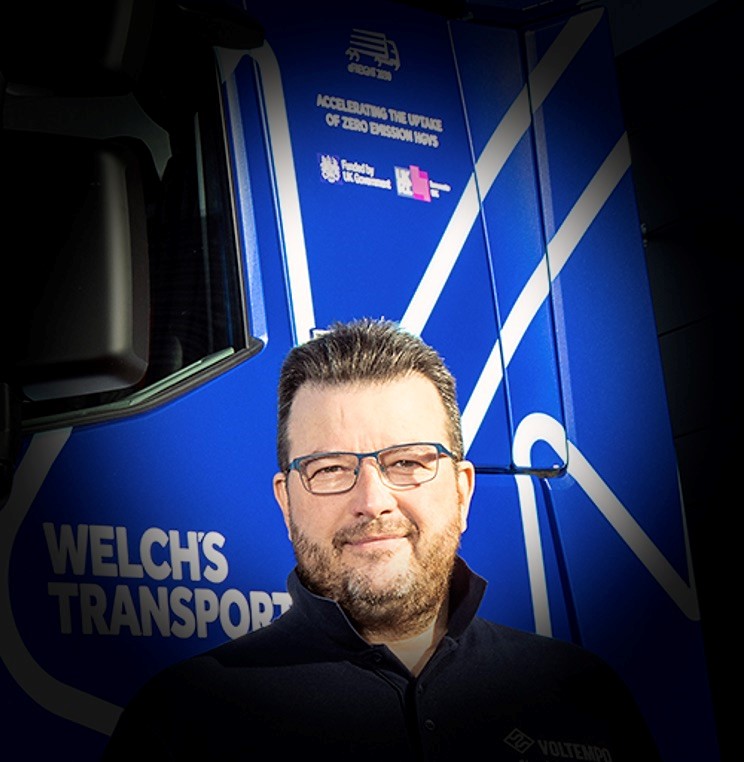
Neil Durno

VOLTEMPO
Director of Market Development - Commercial Fleet Solutions
Show Bio
Neil Durno
VOLTEMPO
Director of Market Development - Commercial Fleet Solutions
TBA
Hotel & Venue
Join us in Munich on the 25th - 26th February, 2026
Venue:
Leonardo Munich Arabellapark
Address:
Effnerstraße 99 | 81925, Munich
Get Location

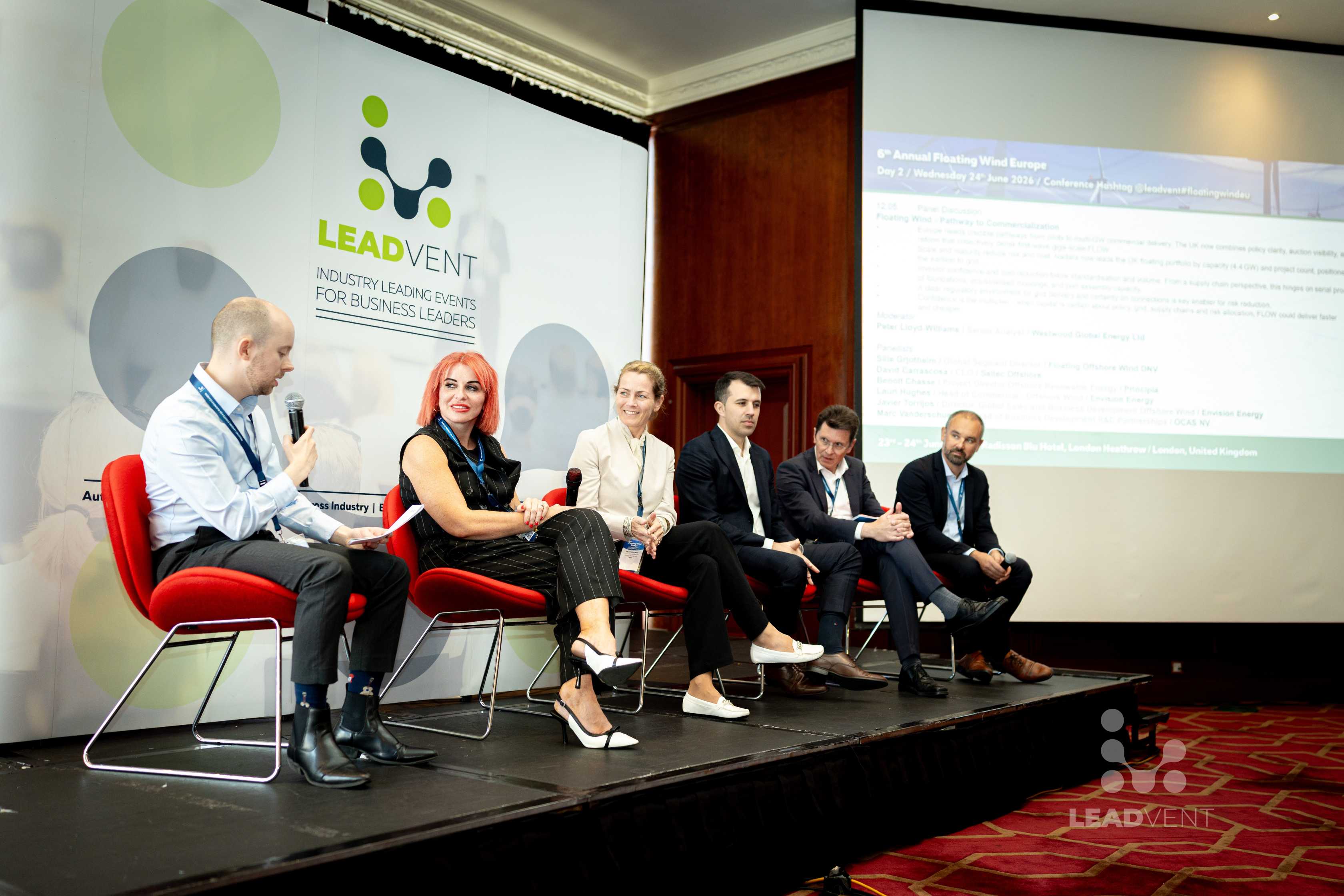
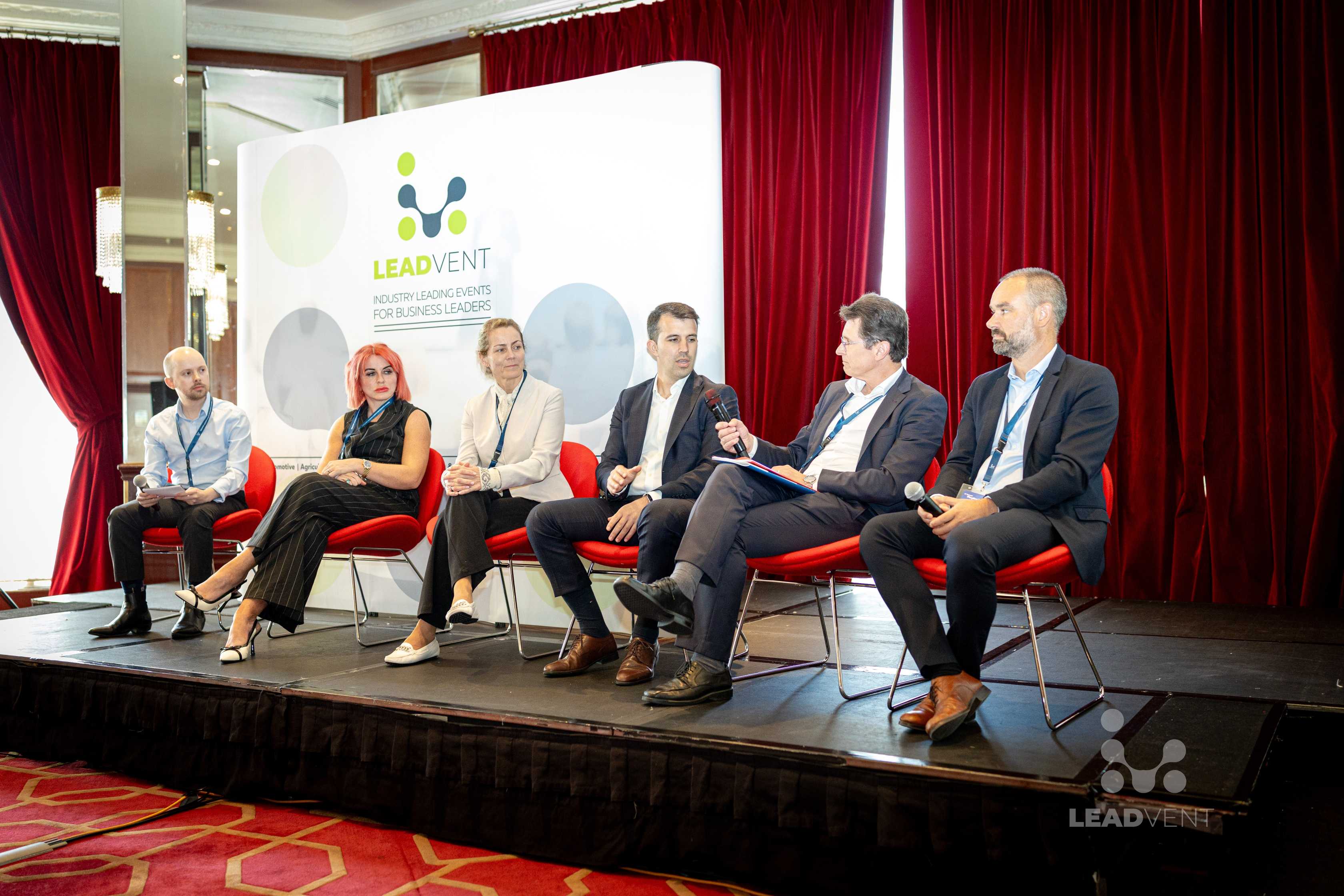


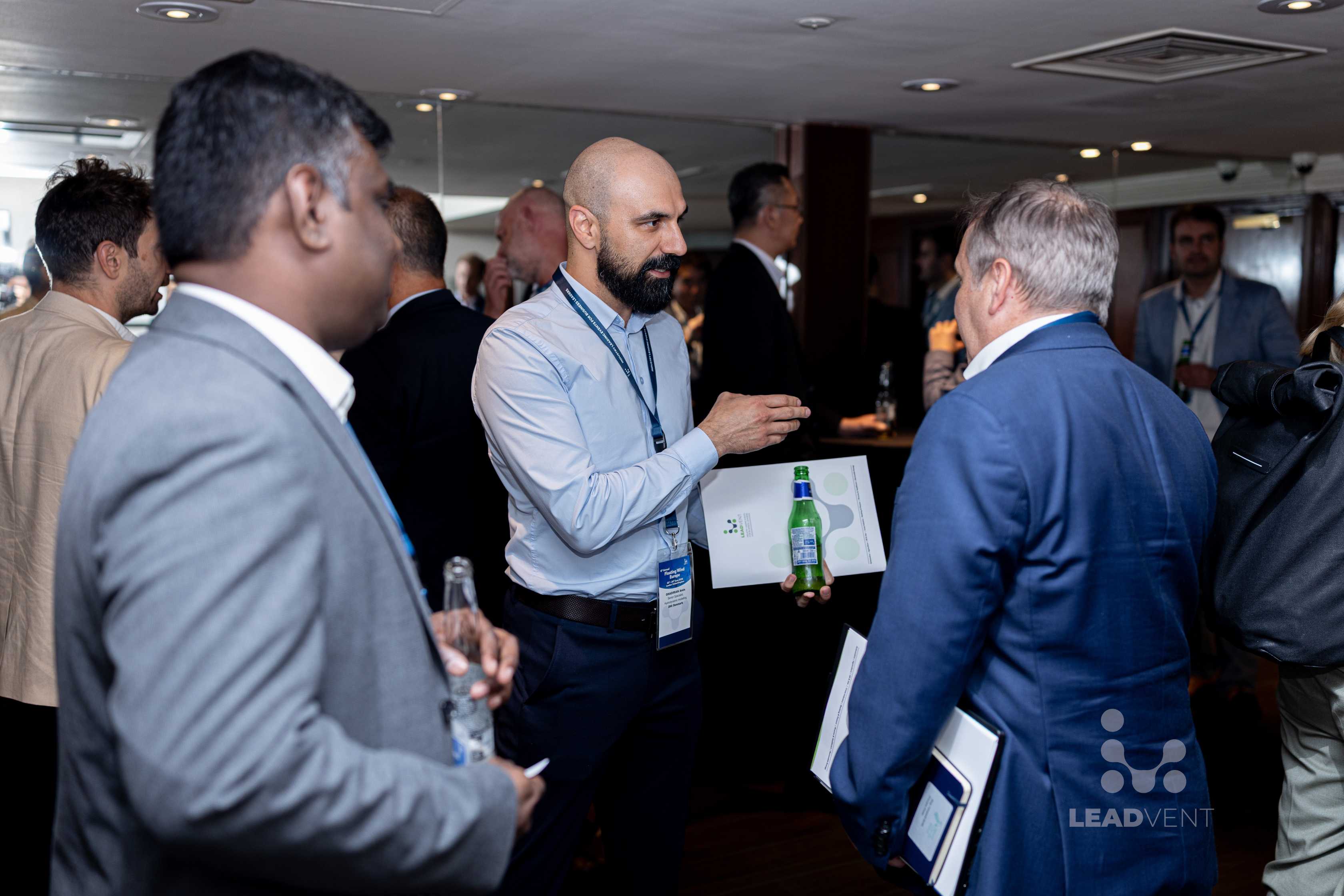
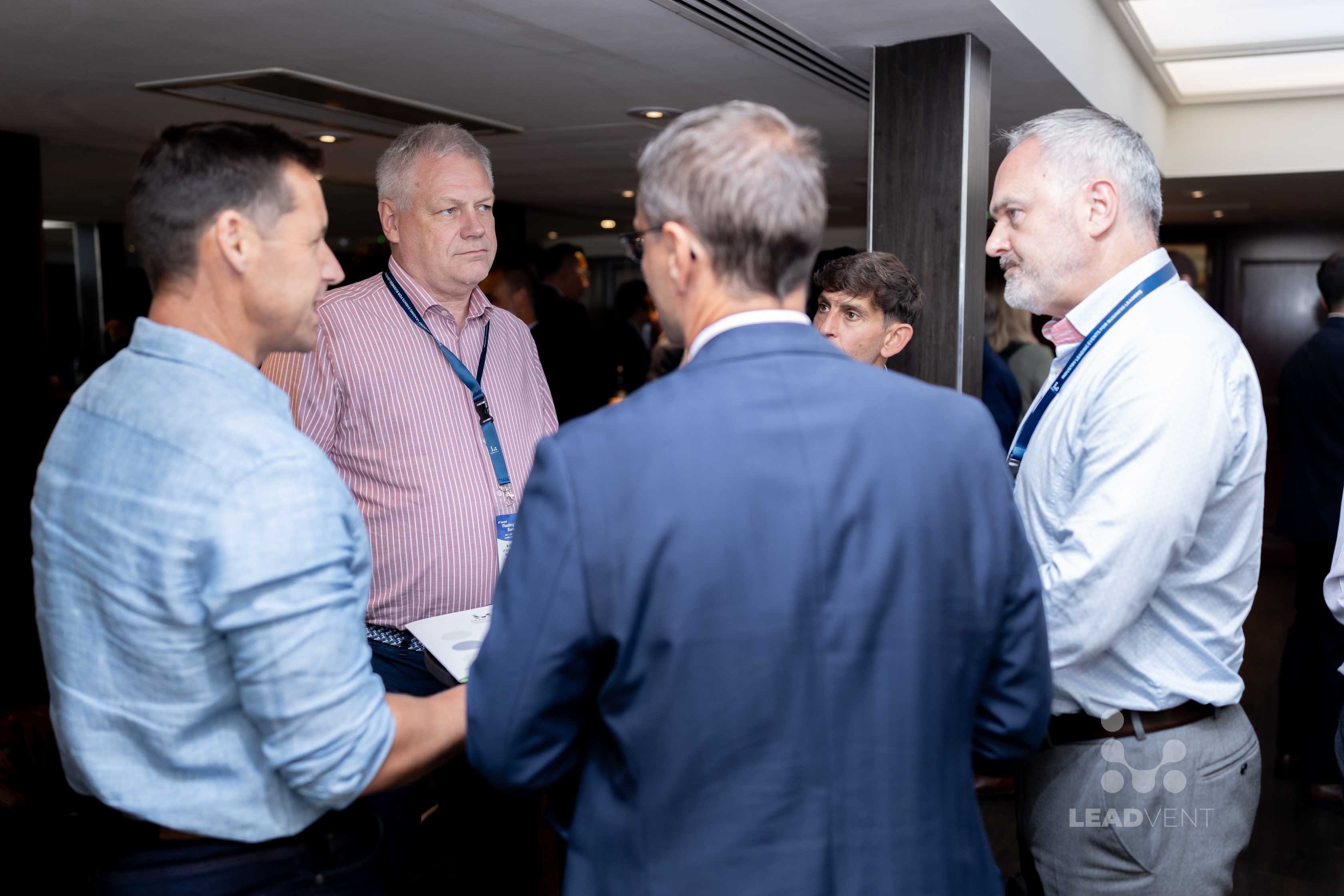
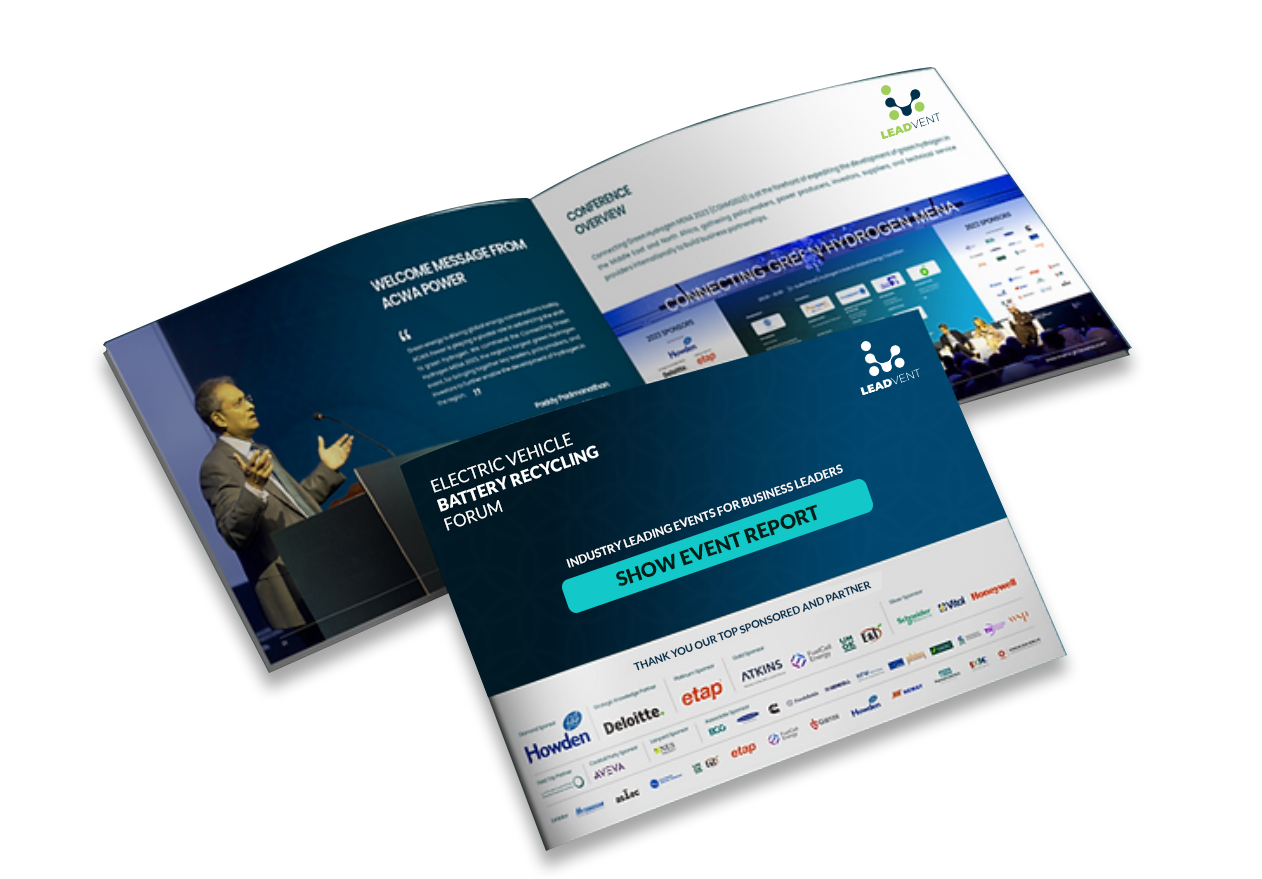
Download 2025 Post Event Report
Electric Vehicle Charging Infrastructure conference 2025 held in Amsterdam, Netherlands proved to be a great success – over 140+ attendees and round-the-clock networking for our speakers, delegates, sponsors and exhibitors. Download a copy of the Post Event Report for more event highlights and insights.
Download 2024 List of Companies Attending
"Discover the key players at the largest EV Charging Infrastructure Forum. As the most significant gathering in the world, EV Charging Infrastructure Forum 2025 attracted nearly 140+ key industry professionals, showcasing the brightest minds and industry leaders in the EV Charging Infrastructure sector. Don't miss the chance to explore the connections that helped shape the future of EV Charging Infrastructure. By downloading the attendee list, you'll gain insight into the companies who participated in this groundbreaking event, forging partnerships, and driving the industry forward."
Download 2026 Event Brochure
EV Charging Infrastructure Forum is the ideal business platform to share market insights and exchange ideas. Download the event brochure to view more details of the event and indicate your interest to be part of the conversation with the industry leaders.
Electric Vehicle Charging Infrastructure Highlights
The EV Charging Infrastructure event has become a MUST ATTEND event for all companies involved in emobility
Related Videos
-
 Adam Rindeskär | MAN Truck & Bus SE | 3rd Annual EV Charging Infrastructure Foru...
 -
 Louis-Charles Mosseray | Electra | 3rd Annual EV Charging Infrastructure Forum 2...
 -
 David Cornish | Techniche speaking | 3rd Annual EV Charging Infrastructure Forum...
 -
 Anne-Lise Deraedt | Einride | 3rd Annual EV Charging Infrastructure Forum 2025
 -
 MEET OUR SPEAKERS - 4th Annual EV Charging Infrastructure Forum
 -
 MEET OUR SPEAKERS!! - 4th Annual EV Charging Infrastructure Forum
 -
 MEET OUR SPEAKERS!! - 4th Annual EV Charging Infrastructure Forum
 -
 MEET OUR SPEAKERS!! - 4th Annual EV Charging Infrastructure Forum






Our Clients Opinion
What Our Customers Say

Projects Developer / Asset Manager, aventron
Head Data Analytics & Business Excellence, Suzlon Global Services Limited


CISO Group Network Manager, Madison Insurance Kenya Limited

Partner, Everoze
Senior Electrical Engineer, Seaway Offshore Cables

EVP, Xfloat


Senior Associate, The Carbon Trust

Renewables MWS Director, Europe and London, ABL Group

Manager, Biomethane Development Office, Biomethane Development Office

CEO, Bore and Biogaz Vallée
Senior Advisor, Apricum Group

Senior Project Manager, Fichtner GmbH & Co. KG


CABLE DESIGN ENGINEER, DEME OFFSHORE NLBV
Senior Projects Engineer, JERSEY ELECTRICITY PLC

Renewable Energy Engineer, EDF Renewables


Sales Manager, Mondragon Assembly
AgriPv Engineer, RP Global

President, Sapiens Energia

, ENI SPA
Head of Agricultural structures, RP Global

Senior Engineer/ Manager, NEXANS


Functional Safety Specialist, Brace Automotive

Principal Functional Safety Manager, Veoneer

System Safety Engineer, Veoneer

Principal Consultant, OMNEX

Functional Safety Expert, Brightskies

Director, Renesas Electronics Europe GmbH

FUSA MANAGER, Robert Bosch GmbH

Senior fusa Manager, AVL power train Uk Ltd




Head, Fusa & Cybersecurity, Ebusco

Fusa Manager, SENSATA TECHNOLOGIES
Principal Automation Engineer, The Lee Company
Fusa Manager, Robert Bosch Gmbh



E-mobility Analyst, Green Rising



Business Unit Head, Industrial Development Corporation of SA Ltd. (IDC)
Associate Prof., De Montfort University


Risk Analyst, CIC Insurance Group
Carbon Removal Kenya Cordinator,

Asistant Branch Manager, I&M Bank Limited

ESG Reporting Analyst, NAIVAS Limited

QHSE Officer, Pavicon Group

Risk & Compliance Manager, C-Care Health Uganda

Head SHEQ/ Susutainability, International Hospital Kampala

EHS Officer, Pavican Group Kenya

Cordinator, Carbon Removal Kenya


HSE Officer, Lake Turkawa wind power

Large Scale Lead, Colorifix
Analytical Expert, Boehringer Ingelheim


Technical Director, Systeme
Head of Unit, Regulatory Authority for Energy, Waste and Water
Project Engineer, Ramboll
Eng. Director, seaway7

Associate, Arup

Professor, Ruhs University Bochum
Founding Partner, Managing Director, and COO, Green Giraffe

Professor, University of Bologna

Director, Green Mobility Practice Lead, Apricum Group

IT operation Specialist, Better Energy A/S


Up Business Excellence,

principle Cyber Sec, INTEX IT

Cybersecurity Lead, Wood Plc

Continuity manager, ReboBank

Supply Chain Information, Pinsents masons