

Agrivoltaics: A New Chapter for Farming and Clean Energy
In today’s world, where the pressure to feed a growing population meets the urgency of cutting carbon emissions, innovation is no longer a luxury it’s a necessity. Agrivoltaics the combination of agriculture and photovoltaic (solar) energy on the same piece of land is emerging as one of the most practical responses to these twin challenges.
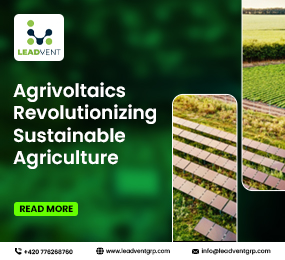
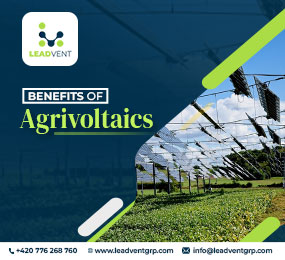
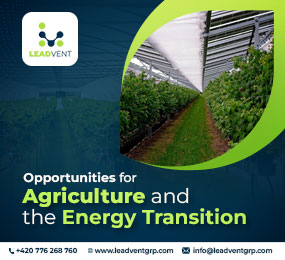
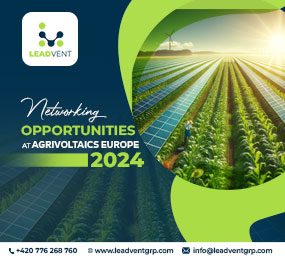
Imagine fields where solar panels and crops co-exist, not as competitors, but as partners. This is not a future vision it’s happening now in various parts of the world, from vineyards in France to dry farmlands in Kenya. The concept is simple: install elevated solar panels that allow sunlight to reach the plants below, while generating clean electricity above.
But what makes agrivoltaics truly exciting is not just the efficiency it’s the balance it brings.
A Win-Win for Land Use
Agrivoltaics is especially valuable in regions where land is scarce or under pressure. Traditionally, energy and agriculture have competed for space. With agrivoltaics, they share it. This means a single plot of land can serve both food and energy needs an important breakthrough for rural economies and developing nations.
Farmers benefit from new revenue streams by leasing land for solar, or through direct energy generation to reduce operating costs. In turn, solar developers gain access to land without pushing agriculture out of the picture. It’s a model of cooperation that creates mutual value.
Resilience Through Shade and Sustainability
One of the lesser-known advantages of agrivoltaics is how it helps crops adapt to climate change. In hot or arid regions, the partial shade from solar panels reduces heat stress and evaporation, leading to better water retention and sometimes even higher crop yields. This makes agrivoltaics a resilience tool as much as an energy solution.
Crops like tomatoes, lettuce, herbs, and berries have shown strong results under these systems. And as panel technologies evolve tilting, rotating, or adjusting for seasonal light agrivoltaics continues to become more adaptable.
Challenges and the Road Ahead
Of course, it’s not a one-size-fits-all approach. Agrivoltaics requires thoughtful design, understanding of local crops, and careful placement of panels to ensure light, ventilation, and access for farm machinery. It also demands collaboration between farmers, engineers, and policymakers a learning curve that takes time to master.
Yet, the momentum is undeniable. More research institutions, cooperatives, and even governments are investing in agrivoltaic pilots. What was once an experiment is fast becoming a practical part of climate and food strategy.
Takeaway Point: Agrivoltaics is more than a technical solution it’s a symbol of how we can work with nature, not against it. By bridging the needs of clean energy and sustainable agriculture, it offers a hopeful path forward one where innovation doesn’t replace tradition, but enhances it.
Learn more on our website: https://www.leadventgrp.com/event/4th-annual-agrivoltaics-europe/register
For more information and group participation, contact us: [email protected]
Leadvent Group - Industry Leading Events for Business Leaders!
www.leadventgrp.com | [email protected]








Comment