

Agrivoltaics: A Practical Balance Between Energy and Food Production
As global demand for both energy and food continues to increase, the pressure on land resources has become more evident. Traditionally, solar energy projects and agricultural activities have competed for space, often forcing landowners to choose one over the other. Agrivoltaics presents a more balanced approach—one that allows both energy generation and farming to take place on the same land.
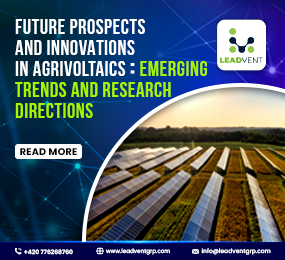
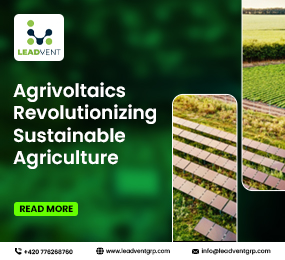
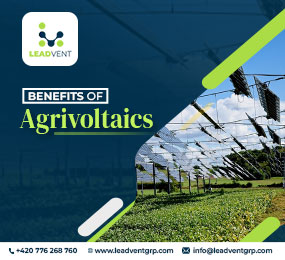
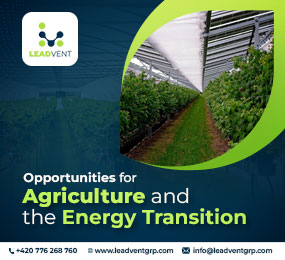
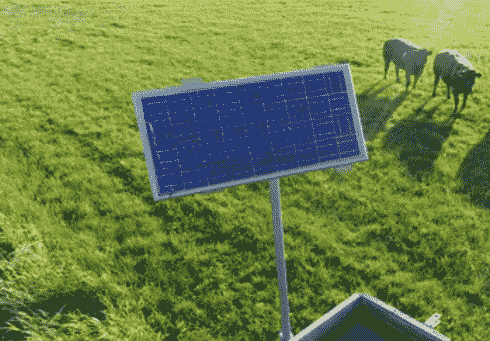
Agrivoltaics involves integrating solar photovoltaic (PV) panels into agricultural environments in a way that supports crop growth. Instead of covering farmland entirely with solar panels, installations are designed with enough spacing or elevation to allow sunlight to reach crops below. This dual-use system enables land to serve two purposes at once, making it more productive and efficient.
One of the most notable advantages of agrivoltaics is its ability to optimize land use. In regions where land is scarce or highly valued, combining agriculture with renewable energy can help meet growing demands without requiring additional space. This approach is especially relevant in areas experiencing rapid population growth and increased energy consumption.
Beyond land efficiency, agrivoltaics can also improve growing conditions for certain crops. The partial shading created by solar panels helps reduce exposure to excessive heat and sunlight. In warmer climates, this can protect crops from stress and improve their resilience. Some studies have shown that crops grown under agrivoltaic systems can perform as well as—or in some cases better than—those grown in open fields.
Water conservation is another key benefit. By limiting direct sunlight on the soil, agrivoltaic systems help reduce evaporation, allowing moisture to be retained for longer periods. This can lower irrigation requirements, which is particularly valuable in regions where water resources are limited.
For farmers, agrivoltaics offers an opportunity to diversify income. In addition to revenue from crop production, landowners can generate income through solar energy projects, whether by producing electricity themselves or leasing land to energy developers. This added financial stability can help reduce the risks associated with fluctuating agricultural yields and market conditions.
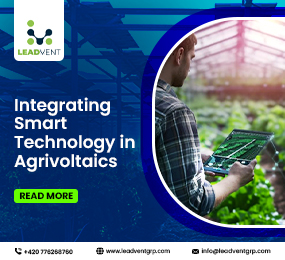
Technological advancements have made agrivoltaic systems more adaptable. Adjustable panel heights, tracking systems, and customized layouts allow installations to be tailored to different crops and farming methods. This flexibility ensures that both agricultural productivity and energy generation can be optimized.
However, implementing agrivoltaics requires thoughtful planning. Factors such as panel positioning, crop selection, and local climate conditions must be carefully considered. Collaboration between farmers, engineers, and policymakers is essential to create systems that are both efficient and sustainable.
Globally, agrivoltaics is gaining recognition as part of a broader shift toward sustainable land management. Governments and research institutions are supporting pilot projects and encouraging adoption through policy frameworks. As renewable energy targets expand, agrivoltaics offers a way to achieve these goals without compromising food production.
Agrivoltaics represents a shift in how land is viewed—not as a resource that must be divided between competing uses, but as one that can serve multiple purposes. By combining clean energy with agriculture, it provides a practical solution to some of today’s most pressing challenges.
Takeaway Point: Agrivoltaics maximizes land efficiency by combining solar energy and agriculture, supporting sustainable food production while advancing clean energy development. Learn more on our website: https://www.leadventgrp.com/event/4th-annual-agrivoltaics-europe/register
For more information and group participation, contact us: [email protected]
Leadvent Group - Industry Leading Events for Business Leaders!
www.leadventgrp.com | [email protected]





Comment