

Agrivoltaics, Agriculture and Solar Energy: A Practical Partnership for the Future
In today’s climate-conscious world, two of the most essential sectors agriculture and energy are finding new ways to work together. The integration of solar power into farming isn’t just a technical innovation; it’s a lifeline for rural communities, a cost-cutting solution for farmers, and a positive step toward environmental sustainability.
Across Africa, Asia, Europe, and beyond, farmers are turning to solar energy not only to power irrigation pumps and cold storage units but to build a more resilient future. With rising fuel prices and increasing climate pressures, this blend of sunlight and soil is more than an idea it’s a growing reality.
Meeting Farmers’ Real-World Needs
Farming is hard work, and for many, the cost of running diesel generators or being dependent on erratic power supplies can make or break a harvest. Solar energy offers an alternative that speaks directly to these challenges.
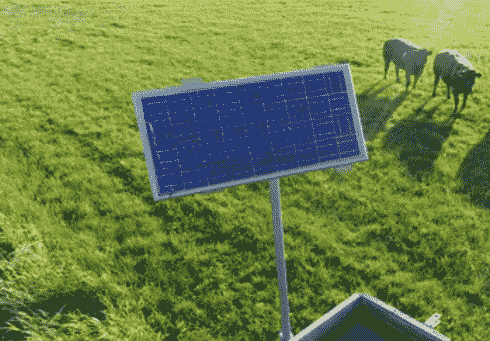
Solar-powered irrigation systems allow farmers to water crops more efficiently, even in remote areas with no access to the national grid. Solar cold storage units help preserve produce, reducing post-harvest losses that have long plagued smallholder farmers. And all of this comes with zero fuel costs and lower long-term maintenance.
In regions where electricity is unreliable or expensive, these solutions give farmers the independence they’ve long needed financially and operationally.
Economic and Environmental Value
The benefits go beyond convenience. Solar energy helps reduce operational costs, improves productivity, and lowers the carbon footprint of farming operations. In many cases, the initial investment in solar infrastructure pays for itself in just a few seasons.
There’s also the environmental side. By replacing diesel-powered equipment with solar systems, farmers contribute directly to cleaner air and fewer greenhouse gas emissions. It's a small but meaningful step in tackling climate change from the ground up.
A Model for Rural Development
Solar-agriculture partnerships also support job creation, rural electrification, and local innovation. As more young people enter agriculture with fresh ideas, solar technology presents a future that’s not just about survival, but opportunity.
In countries with high solar potential and growing energy demand especially across the African continent this model could redefine how agriculture functions at both small and large scales.
Governments, NGOs, and private investors are starting to take notice, funding programs that make solar solutions more affordable and accessible. But for this movement to grow, it must remain focused on farmers’ needs, local conditions, and practical training.
Takeaway Point: Solar energy is no longer a luxury it’s a practical tool that empowers farmers, reduces costs, and promotes sustainable agriculture. When agriculture and solar work together, it doesn’t just feed people it lights the way toward a more resilient and self-reliant future.
Takeaway Point: Agrivoltaics represents a practical, sustainable solution to two of the world’s biggest challenges: food security and clean energy. By embracing this innovative land-sharing model, we can build a future where farming and solar power grow stronger together.
Learn more on our website: https://www.leadventgrp.com/event/4th-annual-agrivoltaics-europe/register
For more information and group participation, contact us: [email protected]
Leadvent Group - Industry Leading Events for Business Leaders!
www.leadventgrp.com | [email protected]







Comment