

Agrivoltaics: Blending Solar Power and Agriculture for a Sustainable Future
As the demand for clean energy continues to rise, so does the competition for land. In many parts of the world, farmland is being converted into solar fields, sparking concerns about food security, rural livelihoods, and land rights. But what if farming and solar power could share the same space?
That’s the promise of agrivoltaics an innovative approach that integrates photovoltaic (solar) panels with agricultural activity on the same piece of land. It’s not just a technical solution; it’s a rethinking of how land can serve multiple purposes without sacrificing productivity or sustainability.
The Concept Behind Agrivoltaics
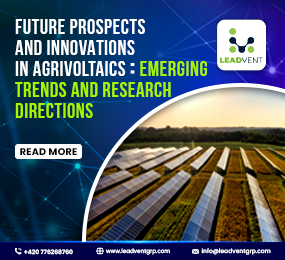
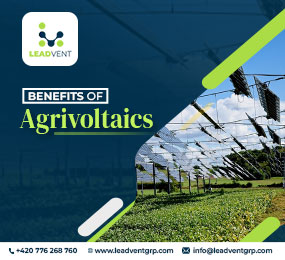
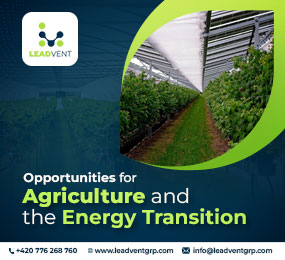
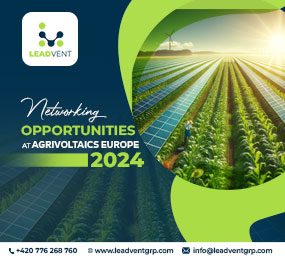
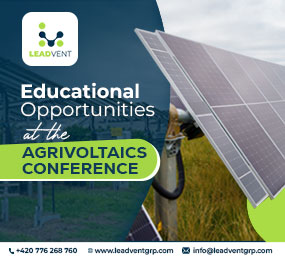
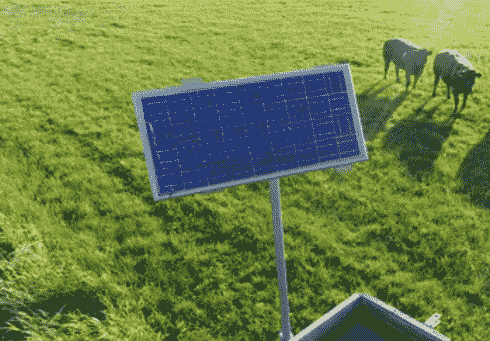
At its core, agrivoltaics is about coexistence. Solar panels are elevated and spaced in a way that allows sunlight to reach crops below. This setup provides partial shade for plants, reduces water evaporation from the soil, and allows farmers to continue cultivating their land while simultaneously generating renewable energy.
Rather than choosing between growing food or producing energy, agrivoltaics offers a way to do both efficiently and sustainably.
Benefits Beyond the Obvious
The most visible benefit is the dual use of land. In regions where arable land is limited, this is a game changer. But the advantages go further. The shade from solar panels can protect sensitive crops from extreme heat, a growing concern in many parts of the world as climate change intensifies.
Studies have shown that some crops such as leafy greens, tomatoes, and berries actually thrive in the moderated light conditions under solar panels. In turn, the crops help keep the area beneath the panels cooler, which can improve the efficiency of the solar system itself.
Moreover, agrivoltaics can provide additional income streams for farmers. By leasing land for solar development or becoming energy producers themselves, farmers can increase their resilience against unpredictable agricultural markets and climate-related losses.
Africa's Untapped Potential
For Africa, where solar resources are abundant and agriculture remains a cornerstone of most economies, agrivoltaics presents a compelling opportunity. It could address
key challenges such as land scarcity, unreliable electricity supply, and the need to boost rural livelihoods without environmental degradation.
Pilot projects in countries like Kenya, Morocco, and South Africa have shown promising results, with local communities benefiting from both improved food production and energy access. However, scaling up will require supportive policies, affordable financing, and partnerships between energy developers and local farmers.
Challenges to Consider
Despite its promise, agrivoltaics isn’t a one-size-fits-all solution. The setup requires careful planning panel height, orientation, crop type, and irrigation methods all need to be tailored to local conditions. Initial installation costs can also be a hurdle, especially for smallholder farmers.
There’s also a need for community engagement and education. For agrivoltaics to thrive, farmers must see it not as a threat, but as a tool for empowerment and resilience.
Takeaway Point:
Agrivoltaics is more than a clever blend of solar power and farming—it’s a vision for smarter land use that supports food security, clean energy, and rural prosperity all at once. With the right support, it can play a key role in building a more resilient and sustainable future, especially for regions like Africa.
Learn more on our website: https://www.leadventgrp.com/event/4th-annual-agrivoltaics-europe/register
For more information and group participation, contact us: [email protected]
Leadvent Group - Industry Leading Events for Business Leaders!
www.leadventgrp.com | [email protected]






Comment