

Agrivoltaics: Bridging Agriculture and Clean Energy for a Sustainable Future
In the face of climate change, food security challenges, and the global push for clean energy, a concept is quietly transforming how we think about land use: agrivoltaics. This innovative approach brings agriculture and solar power together, allowing land to produce both crops and renewable energy simultaneously. Instead of competing for space, farming and clean energy generation can thrive side by side.
What is Agrivoltaics?
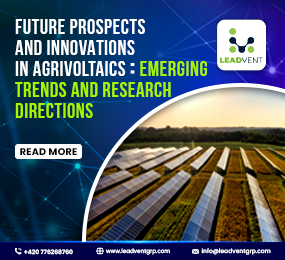
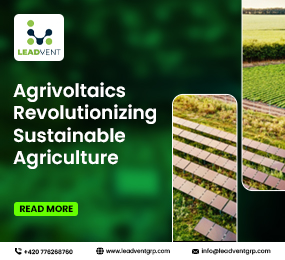
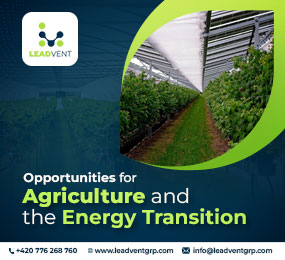
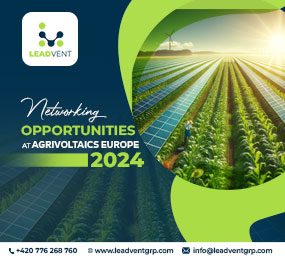
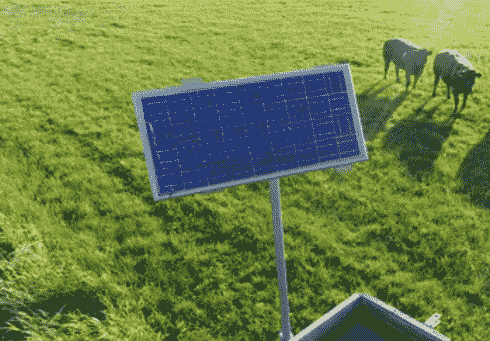
At its core, agrivoltaics involves installing solar panels above farmland in ways that allow crops to grow underneath or between them. Rather than taking land away from agriculture, solar panels are integrated into the farming landscape. This dual use creates a win-win: farmers gain additional income streams from energy production, while society benefits from low-carbon electricity without sacrificing valuable farmland.
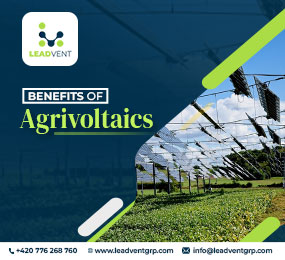
Benefits for Farmers and Communities
For farmers, agrivoltaics offers a safety net. By diversifying income with solar energy, they are less vulnerable to crop failures or fluctuating market prices. Some crops even benefit from the shade provided by solar panels, which can reduce water usage and protect against extreme weather. Communities gain access to cleaner, more reliable power, while local economies are strengthened through job creation in renewable energy and agriculture.
Environmental Advantages
Beyond economic gains, agrivoltaics plays a crucial role in tackling climate change. It reduces carbon emissions by expanding renewable energy capacity while preserving land for food production. The shade from panels can help maintain soil moisture, improving resilience in regions facing drought or rising temperatures. In this way, agrivoltaics supports both energy security and sustainable food systems.
Challenges to Overcome
Like any emerging solution, agrivoltaics faces challenges. Designing systems that work for different crops and climates requires ongoing research. Installation costs and regulatory barriers can also slow adoption. However, with increasing global interest and growing evidence of its potential, governments and private investors are beginning to support large-scale agrivoltaic projects.
Looking Ahead
The future of agrivoltaics is promising. Pilot projects across Europe, Asia, Africa, and North America are demonstrating its versatility from vineyards in France to vegetable farms in Japan. As technology advances and costs fall, agrivoltaics could become a standard practice, transforming rural landscapes into hubs of food and energy production.
Takeaway Point: Agrivoltaics is more than a technological innovation; it is a vision of sustainability in action. By blending agriculture with renewable energy, it offers practical solutions to some of today’s greatest challenges feeding a growing population, cutting emissions, and making the most of every acre of land.
Learn more on our website: https://www.leadventgrp.com/event/4th-annual-agrivoltaics-europe/register
For more information and group participation, contact us: [email protected]
Leadvent Group - Industry Leading Events for Business Leaders!
www.leadventgrp.com | [email protected]







Comment