

Agrivoltaics: Bridging Agriculture and Solar Energy for a Sustainable Future
As the world faces the dual challenges of food security and clean energy, agrivoltaics has emerged as an innovative solution that blends the two. By integrating solar panels into farmland, agrivoltaics allows crops and renewable power to thrive side by side. It’s a concept that redefines how land is used, especially in regions where space is limited and climate pressures are growing.
What Is Agrivoltaics?
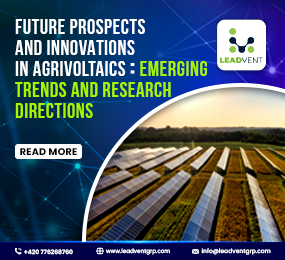
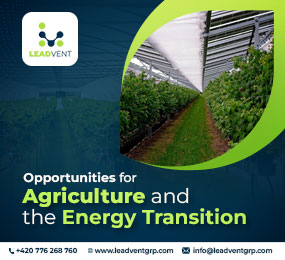
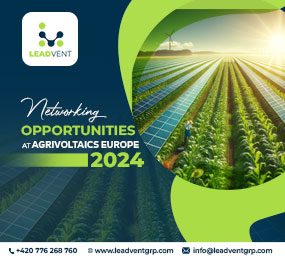
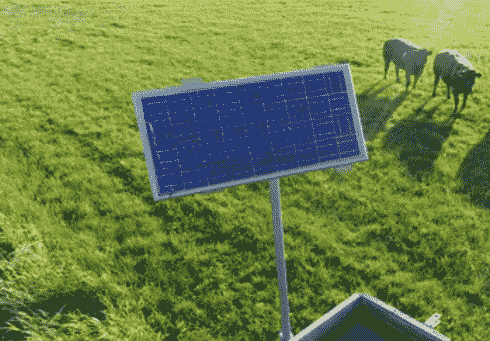
Agrivoltaics refers to the practice of installing solar panels above or alongside agricultural crops. Unlike traditional solar farms that compete with agriculture for land, this approach creates a shared space where energy and food production coexist. The panels are usually elevated or spaced to ensure crops receive enough sunlight, while also offering shade that can reduce heat stress and water loss.
Benefits for Farmers and Energy Transition
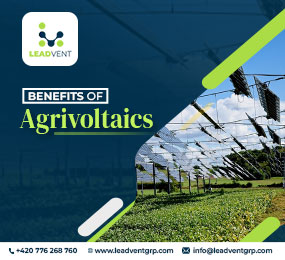
The advantages of agrivoltaics go far beyond efficiency. Farmers gain a new revenue stream from leasing land for solar or generating their own electricity, which reduces operating costs. The shading effect of solar panels can also create a more favorable microclimate for crops, improving yields in areas affected by high temperatures. For the energy sector, agrivoltaics contributes to renewable power targets without displacing farmland addressing the global tension between feeding people and decarbonizing economies.
Supporting Climate Resilience
Climate change has intensified droughts, heatwaves, and unpredictable weather, posing real risks to agriculture. Agrivoltaics offers a form of resilience by reducing water evaporation and stabilizing growing conditions under the panels. This dual-use system also promotes efficient land use in densely populated or land-scarce regions, such as parts of Europe, Asia, and Africa, where every hectare must deliver maximum value.
Challenges to Overcome
Despite its promise, agrivoltaics is not without challenges. Installation costs are higher than conventional solar farms, and technical designs must adapt to different crops and geographies. Farmers also need awareness, training, and policy support to adopt such systems on a wider scale. Governments and private investors have a critical role in creating incentives, sharing research, and scaling up successful models.
Looking Ahead
Agrivoltaics is still in its early stages, but pilot projects worldwide show strong potential. From vineyards in France to vegetable farms in Japan and Africa, the results suggest that combining solar panels and agriculture can be a win-win solution. With the right investments, agrivoltaics could transform how we grow food and generate energy making it an essential tool in the journey toward sustainability.
Takeaway Point: Agrivoltaics demonstrates that food production and clean energy do not need to compete. By turning farmland into a dual-purpose resource, it offers farmers economic stability, supports renewable energy expansion, and builds resilience against climate change.
Learn more on our website: https://www.leadventgrp.com/event/4th-annual-agrivoltaics-europe/register
For more information and group participation, contact us: [email protected]
Leadvent Group - Industry Leading Events for Business Leaders!
www.leadventgrp.com | [email protected]







Comment