

Agrivoltaics: Bridging Energy and Agriculture for a Sustainable Future
As the global demand for both food and energy continues to rise, land use has become an increasingly important consideration. Traditionally, agricultural production and solar energy development have competed for the same land resources. Agrivoltaics offers a practical solution by combining these two essential needs allowing farmland to generate renewable energy while continuing to support crop cultivation.
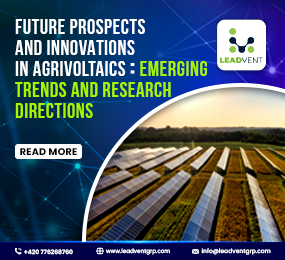
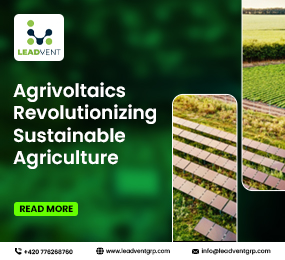
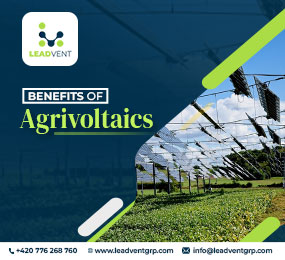
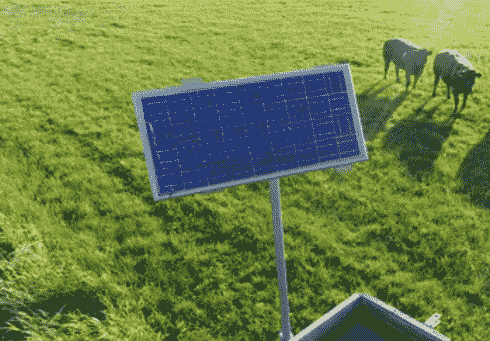
Agrivoltaics refers to the co-location of solar photovoltaic (PV) systems and agricultural activities on the same land. Instead of dedicating large areas solely to solar panels, this approach integrates elevated or strategically spaced solar arrays that allow crops to grow underneath or alongside them. The result is a dual-use system that maximizes land productivity without compromising either function.
One of the key benefits of agrivoltaics is improved land efficiency. By enabling energy generation and food production to occur simultaneously, it helps address the growing pressure on land resources, particularly in regions where available farmland is limited. This approach is especially valuable in areas facing rapid population growth and increasing energy demand.
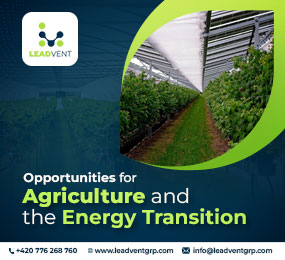
Agrivoltaic systems can also create favorable microclimates for certain crops. The partial shading provided by solar panels can reduce excessive heat and limit water evaporation from the soil. This can be particularly beneficial in hot and dry climates, where crops are often exposed to intense sunlight and water scarcity. In some cases, this shading effect can lead to improved crop yields and better water retention.
Water management is another important advantage. By reducing direct sunlight exposure, agrivoltaic systems can lower irrigation needs and help conserve water resources. This is particularly relevant in regions where agriculture depends heavily on efficient water use.
For farmers, agrivoltaics presents an opportunity to diversify income streams. In addition to generating revenue from agricultural production, landowners can benefit from leasing land for solar installations or participating in energy generation projects. This added financial stability can help support rural communities and strengthen agricultural resilience.
Technological advancements have made agrivoltaic systems more adaptable to different farming practices. Adjustable solar panel structures, tracking systems, and optimized layouts allow developers to tailor installations to specific crop types and local conditions. This flexibility ensures that both energy generation and agricultural productivity can be optimized.
Despite its advantages, agrivoltaics requires careful planning and collaboration between farmers, engineers, and policymakers. Factors such as crop selection, panel height, spacing, and orientation must be carefully considered to ensure that agricultural activities are not negatively impacted. Successful implementation depends on balancing energy production with the needs of crops and local ecosystems.
Across the world, agrivoltaic projects are gaining attention as part of broader sustainability strategies. Governments and research institutions are exploring how this approach can support renewable energy targets while maintaining food security. Pilot projects and large-scale installations are demonstrating the potential of agrivoltaics in a variety of climates and agricultural settings.
As the global economy moves toward more sustainable systems, agrivoltaics represents a practical and forward-thinking solution. By combining renewable energy with agriculture, it addresses two critical challenges clean energy generation and food production within a single, integrated framework.
Takeaway Point: Agrivoltaics enables the efficient use of land by combining solar energy generation with agriculture, supporting both renewable energy expansion and sustainable food production
Learn more on our website: https://www.leadventgrp.com/event/4th-annual-agrivoltaics-europe/register
For more information and group participation, contact us: [email protected]
Leadvent Group - Industry Leading Events for Business Leaders!
www.leadventgrp.com | [email protected]






Comment