

Agrivoltaics: Bridging Farming and Solar Energy for a Sustainable Future
As the world looks for solutions to meet rising energy demands while ensuring food security, agrivoltaics has emerged as a groundbreaking concept. At its core, agrivoltaics is the combination of solar energy generation with agricultural production on the same land. Instead of competing for space, solar panels and crops coexist, creating a win-win approach for farmers, energy providers, and communities.
Making the Most of Land Use
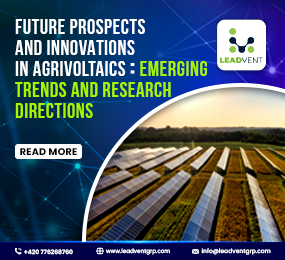
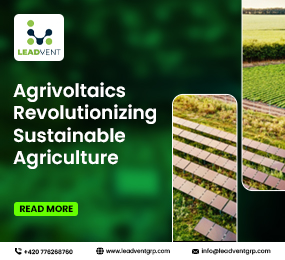
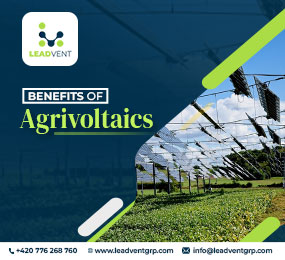
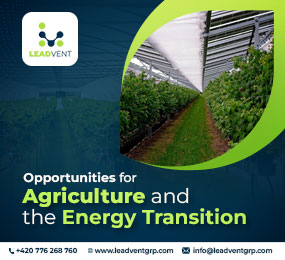
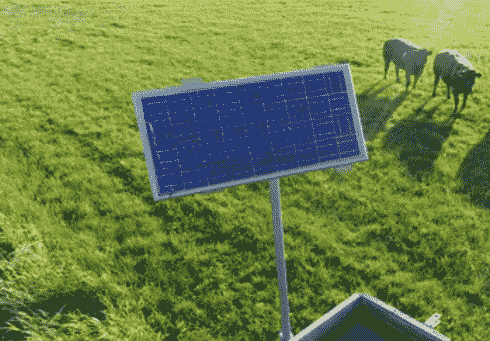
Agriculture and renewable energy are often seen as competitors for land. With urban growth and the push for clean power, farmland has increasingly been considered for solar installations. Agrivoltaics offers a solution by allowing both activities to take place in harmony. Solar panels are installed at a certain height and spacing that allow crops to grow underneath, while livestock can graze in the same area. This dual use of land maximizes productivity without forcing a choice between food and energy.
Benefits for Farmers and Communities
The benefits of agrivoltaics go beyond energy generation. Farmers gain a new source of income from solar power without giving up their ability to grow crops or raise animals. In some regions, the shade from panels has even improved growing conditions by protecting plants from extreme heat and reducing water evaporation. For communities, this means local energy production combined with secure food supply, strengthening both resilience and sustainability.
Supporting Climate Goals
Agrivoltaics is a powerful tool in addressing climate change. By reducing dependence on fossil fuels, it cuts carbon emissions. At the same time, it makes farming more adaptive to changing weather conditions. For instance, crops shielded by solar panels can be less vulnerable to droughts or heatwaves, while solar power contributes to decarbonizing national energy grids. This integration aligns with broader climate targets, offering a practical and scalable approach to sustainable development.
Challenges to Overcome
Like any new approach, agrivoltaics comes with challenges. Designing systems that balance sunlight for both crops and panels requires careful planning. Different crops respond differently to partial shading, so site-specific research is crucial. Costs of installation can also be a barrier, particularly for smallholder farmers. However, as technology improves and more pilot projects succeed, these barriers are expected to decrease. Governments and investors are already showing increasing interest, signaling strong potential for growth.
Looking Ahead
Agrivoltaics is not just about technology it represents a new way of thinking about land use and sustainability. By breaking down the traditional divide between farming and energy, it offers a blueprint for how societies can meet two essential needs at once. As awareness grows, agrivoltaics could play a key role in reshaping rural economies and advancing global climate goals.
Takeaway Point: Agrivoltaics demonstrates how farming and solar energy can work together instead of competing. By producing food and clean power on the same land, it offers a practical solution to climate challenges while supporting farmers and communities worldwide.
Learn more on our website: https://www.leadventgrp.com/event/4th-annual-agrivoltaics-europe/register
For more information and group participation, contact us: [email protected]
Leadvent Group - Industry Leading Events for Business Leaders!
www.leadventgrp.com | [email protected]






Comment