

Agrivoltaics: Merging Solar Power with Sustainable Farming
As the world searches for solutions to meet growing energy needs while safeguarding food production, agrivoltaics has emerged as a promising innovation. At its core, agrivoltaics is the practice of combining agriculture with solar energy generation on the same land. This approach is not just about efficiency; it represents a new way of thinking about how we use resources to balance food security, energy demand, and environmental sustainability.
A Smarter Use of Land
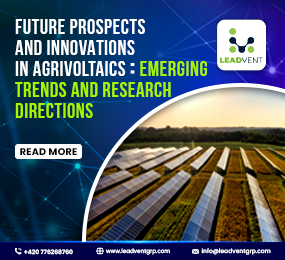
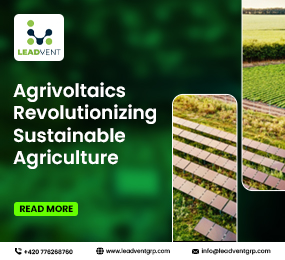
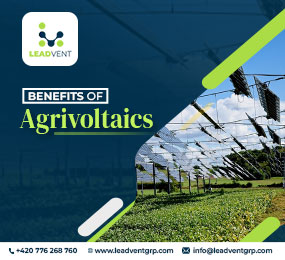
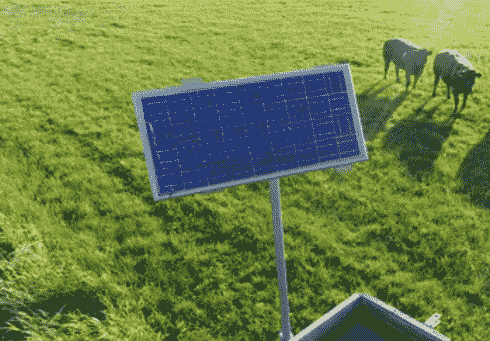
Traditionally, solar farms and agricultural fields have competed for space. With agrivoltaics, they can coexist. Solar panels are installed at a height and spacing that allows crops to grow beneath and around them. This dual-purpose use of land addresses two pressing global challenges: the need for renewable energy and the need to feed a growing population.
Benefits Beyond Energy
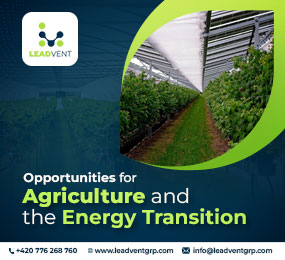
The benefits of agrivoltaics extend beyond electricity production. Research shows that crops grown under solar panels can benefit from shade, which reduces water loss and protects plants from extreme heat. In regions facing droughts or rising temperatures, this can improve resilience and crop yields. Farmers can also diversify their income streams by producing both food and renewable energy, creating a buffer against market volatility.
Economic and Social Opportunities
For rural communities, agrivoltaics can be transformative. By integrating solar energy projects with farming, local economies can thrive through job creation, increased land productivity, and energy access. Communities that once faced trade-offs between agricultural development and clean energy projects now have an opportunity to embrace both.
Environmental Impact
Agrivoltaics supports climate goals by expanding renewable energy capacity while promoting sustainable agriculture. It reduces the carbon footprint of energy generation, conserves water through reduced evaporation, and fosters biodiversity by creating microclimates where crops and pollinators can coexist. The synergy between farming and energy also helps reduce conflicts over land use a growing concern as populations expand.
Overcoming Challenges
Like any emerging innovation, agrivoltaics faces challenges. High installation costs, technical complexities, and the need for tailored designs for different crops can slow adoption. Policymakers, researchers, and industry leaders must work together to provide incentives, share best practices, and scale up projects. Success will require collaboration across agriculture and energy sectors, as well as strong support from governments.
Looking Ahead
Agrivoltaics is still in its early stages, but its potential is vast. As technology advances and costs fall, it could become a cornerstone of sustainable land management. From vineyards in France to vegetable farms in Africa, pilot projects are already proving that this approach can work across diverse geographies and climates.
Takeaway Point: Agrivoltaics represents a powerful synergy between farming and renewable energy. By producing food and clean power on the same land, it helps address climate change, supports rural economies, and creates a smarter, more sustainable future for agriculture and energy.
Learn more on our website: https://www.leadventgrp.com/event/4th-annual-agrivoltaics-europe/register
For more information and group participation, contact us: [email protected]
Leadvent Group - Industry Leading Events for Business Leaders!
www.leadventgrp.com | [email protected]






Comment