

Agrivoltaics and Crop Yield: Balancing Food Production and Renewable Energy
As the world faces increasing pressure to produce more food while expanding renewable energy capacity, agrivoltaics is emerging as an innovative solution that addresses both challenges simultaneously. By combining agricultural production with solar energy generation on the same piece of land, agrivoltaics offers a practical approach to improving land-use efficiency while supporting sustainability goals.
Agrivoltaics, sometimes referred to as dual-use solar farming, involves installing solar panels above or alongside agricultural crops. Unlike traditional solar farms that dedicate land exclusively to energy production, agrivoltaic systems are designed to allow farming activities to continue beneath or around solar infrastructure. This approach creates opportunities for farmers to generate renewable energy without sacrificing agricultural productivity.
One of the most important questions surrounding agrivoltaics is its impact on crop yield. While some may assume that solar panels reduce plant growth by limiting sunlight exposure, research has shown that many crops can benefit from the partial shading provided by solar installations.
Excessive heat and intense sunlight can place stress on crops, particularly in regions experiencing rising temperatures and prolonged drought conditions. Agrivoltaic systems help moderate these environmental extremes by creating a more stable growing environment. The shade provided by solar panels can reduce heat stress, lower soil temperatures, and decrease water evaporation, helping crops retain moisture during dry periods.
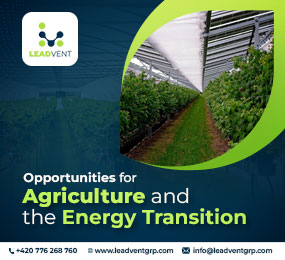
For certain crops, these conditions can lead to improved growth and productivity. Leafy greens, vegetables, berries, and some fruit crops have demonstrated positive responses to partial shading under agrivoltaic systems. In areas where extreme heat negatively affects agricultural output, solar panels can act as a protective layer that supports healthier plant development.
Water conservation is another significant benefit. Agriculture accounts for a large share of global freshwater use, and water scarcity is becoming an increasing concern in many regions. By reducing direct sunlight exposure and lowering evaporation rates, agrivoltaic systems can help farmers use water more efficiently while maintaining crop performance.
Beyond crop yield improvements, agrivoltaics offers additional economic advantages for farmers. Revenue generated from solar energy production can provide an additional income stream, helping agricultural businesses diversify earnings and improve financial resilience. This can be particularly valuable during periods of market volatility, drought, or changing weather conditions.
The renewable electricity generated through agrivoltaic projects can also support on-site operations such as irrigation systems, storage facilities, and agricultural equipment. In some cases, excess energy can be supplied to local grids, creating further economic opportunities.
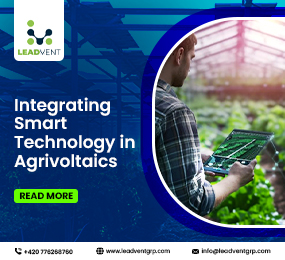
Technology continues to enhance agrivoltaic system design. Adjustable solar panels, advanced monitoring systems, and precision agriculture tools allow farmers to optimize both energy production and crop performance. Modern systems can be tailored to specific crops, climates, and farming practices to maximize overall efficiency.
Despite its benefits, agrivoltaics is not suitable for every crop or farming environment. Certain crops require full sunlight exposure and may experience reduced yields if shading levels are excessive. Successful implementation depends on careful planning, site selection, and system design to ensure that both agricultural and energy objectives are achieved.
As climate change continues to influence agricultural productivity, agrivoltaics is gaining attention as a sustainable land management strategy. Governments, researchers, and investors are increasingly supporting pilot projects and large-scale deployments to better understand its long-term potential.
The combination of food production and renewable energy generation represents a powerful opportunity to address some of the world's most pressing challenges. By improving land-use efficiency and supporting climate resilience, agrivoltaics is helping redefine how agriculture and clean energy can work together.
Takeaway Point:
Agrivoltaics can enhance crop yield for certain crops by reducing heat stress and conserving water, while simultaneously generating renewable energy and improving overall land-use efficiency.
Learn more on our website: https://www.leadventgrp.com/event/5th-annual-agrivoltaics-europe/register
For more information and group participation, contact us: [email protected]
Leadvent Group - Industry Leading Events for Business Leaders!
www.leadventgrp.com | [email protected]








Comment