

Agrivoltaics: Uniting Agriculture and Solar Energy for a Sustainable Future
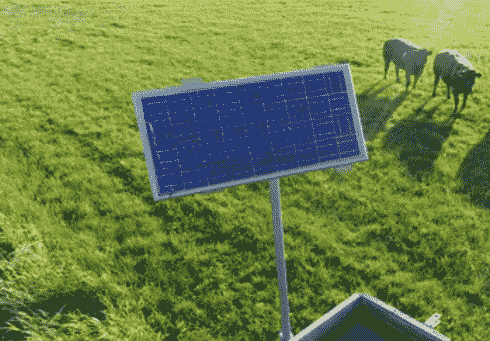
As the world works toward balancing food production with clean energy demands, agrivoltaics has emerged as a practical and innovative solution. This approach integrates solar panels with farmland, allowing crops to grow beneath or alongside solar installations. By using the same land for both farming and renewable energy generation, agrivoltaics addresses two pressing global needs: feeding a growing population and reducing reliance on fossil fuels.
Bridging Agriculture and Energy
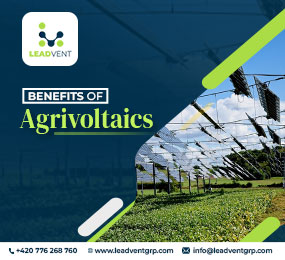
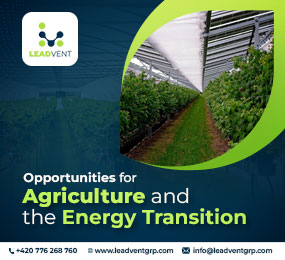
Traditionally, farmland and solar energy projects have competed for space. Farmers often face difficult choices between preserving agricultural use or leasing land for solar installations. Agrivoltaics eliminates this conflict by offering a dual-purpose model. Solar panels are raised high enough to allow cultivation, and crops benefit from the shade and microclimates the panels create.
This balance not only helps farmers maintain productivity but also generates new income streams from clean energy. It represents a forward-thinking approach to land use that enhances sustainability rather than forcing trade-offs.
Benefits Beyond Energy Production
The advantages of agrivoltaics extend far beyond electricity generation. In hot, arid regions, crops grown under solar panels experience less water stress, as the panels provide partial shading that reduces evaporation. This can improve crop yields while conserving water resources, a critical factor in regions already facing climate-related challenges.
For farmers, the added financial stability from renewable energy sales helps buffer against unpredictable weather, market fluctuations, and rising costs. Communities also benefit, as agrivoltaics contributes to both food security and energy independence.
Global Applications and Local Potential
Agrivoltaic projects are expanding worldwide, from Europe and Asia to North America and Africa. In countries where agriculture forms the backbone of the economy, the model offers tremendous opportunities. For example, smallholder farmers in Africa could use agrivoltaics to improve food production while powering rural communities. In industrialized nations, large-scale agrivoltaic farms are being developed to meet climate targets while protecting agricultural land.
Challenges to Overcome
Despite its promise, agrivoltaics faces some hurdles. The upfront cost of solar installations can be high, and not all crop types thrive under partial shading. Policymakers must also design supportive frameworks that encourage adoption, from financial incentives to clear regulations. Furthermore, farmers and energy developers need strong collaboration to ensure systems are tailored to local conditions.
Looking Ahead
As the pressure to reduce carbon emissions intensifies, agrivoltaics is expected to play a growing role in sustainable development. By addressing the intertwined challenges of energy, food, and land use, it offers a blueprint for how innovation can solve global problems.
Governments, businesses, and farmers working together can accelerate the adoption of agrivoltaics, ensuring it is not just a niche solution but a mainstream practice shaping future landscapes.
Takeaway Point: Agrivoltaics shows that farming and clean energy can thrive together. By turning competition for land into collaboration, it creates resilient food systems, sustainable energy, and a model for a greener future.
Learn more on our website: https://www.leadventgrp.com/event/4th-annual-agrivoltaics-europe/register
For more information and group participation, contact us: [email protected]
Leadvent Group - Industry Leading Events for Business Leaders!
www.leadventgrp.com | [email protected]






Comment