

Agrivoltaics: Uniting Solar Power and Sustainable Agriculture
As the world pushes toward a greener future, the challenge remains: how do we balance the need for renewable energy with the growing demand for food? Agrivoltaics, the combination of agriculture and solar power, offers a compelling solution. By allowing crops and solar panels to coexist on the same land, this innovation turns potential land-use competition into cooperation.
A Symbiotic Relationship Between Energy and Food
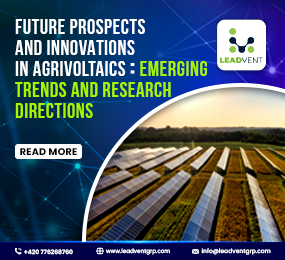
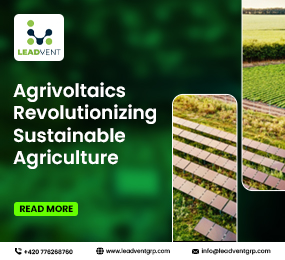
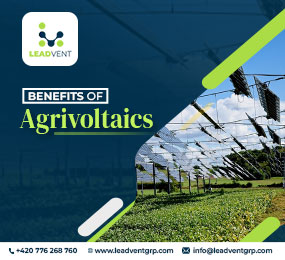
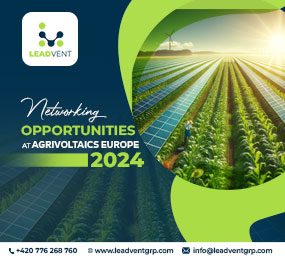
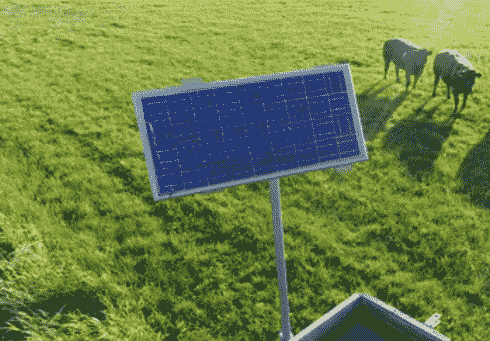
Agrivoltaics reimagines how we use land. Instead of dedicating vast areas exclusively to solar farms, panels are installed above or between crops, creating a shared space. The setup allows sunlight to be divided, some for energy generation, some for crop growth. The panels provide partial shading, reducing water evaporation and protecting plants from extreme heat, while farmers benefit from an additional stream of income through energy production.
The Growing Relevance of Agrivoltaics
In regions where arable land is limited, especially across parts of Africa, Europe, and Asia, agrivoltaics provides a pathway toward more efficient land use. It not only supports food security but also accelerates clean energy deployment—key elements in addressing both climate change and sustainable development. With global solar capacity expected to expand dramatically in the coming decades, integrating agriculture within solar projects ensures no compromise between energy transition and food production.
Practical and Economic Benefits
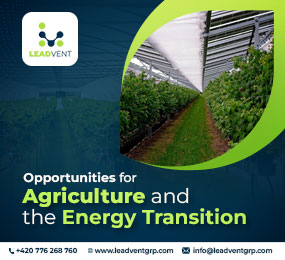
The benefits of agrivoltaics go beyond energy output. For farmers, it creates a form of resilience against unpredictable weather patterns. Crops like lettuce, tomatoes, and berries thrive under partial shading, while the panels benefit from the cooling effect of vegetation below, improving energy efficiency. Economically, it opens doors for farmers to diversify income and reduce dependence on single-source yields. Governments and private investors are beginning to take note, funding projects that demonstrate both profitability and sustainability.
Challenges and the Road Ahead
Despite its promise, agrivoltaics is not without hurdles. Installation costs, technical expertise, and policy frameworks still pose challenges in scaling adoption. Efficiently balancing the needs of crops and panels requires tailored solutions based on local
climate and soil conditions. However, as technology improves and awareness grows, more countries are adopting supportive policies to encourage dual-use land models.
Shaping a Sustainable Future
Agrivoltaics is more than a trend, it’s a glimpse into the future of how we cultivate and consume energy. As the effects of climate change intensify, solutions that merge technology, sustainability, and agriculture will define the next generation of innovation.
Takeaway Point: Agrivoltaics demonstrates that the path to sustainability doesn’t require choosing between food and energy. By bridging the gap between agriculture and solar power, it paves the way for a resilient, efficient, and sustainable future where land truly works twice as hard for humanity.
Learn more on our website: https://www.leadventgrp.com/event/4th-annual-agrivoltaics-europe/register
For more information and group participation, contact us: [email protected]
Leadvent Group - Industry Leading Events for Business Leaders!
www.leadventgrp.com | [email protected]






Comment