

Agrivoltaics: Where Agriculture and Clean Energy Grow Together
As the pressure mounts to feed a growing global population and transition to renewable energy, the competition for land use intensifies. But what if the solution isn’t in choosing one or the other farms or solar panels but in combining both? That’s where agrivoltaics comes in.
Agrivoltaics is the simultaneous use of land for both agriculture and solar energy generation. It’s a concept that has been gaining momentum across Europe, Asia, and parts of Africa not as a futuristic idea, but as a practical and scalable solution to two urgent global challenges: climate change and food security.
A Win-Win for Farmers and the Planet
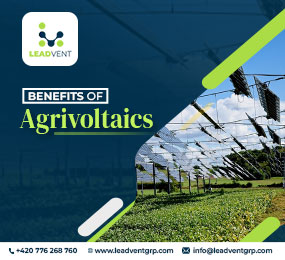
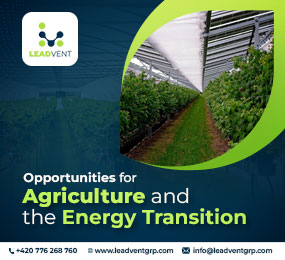
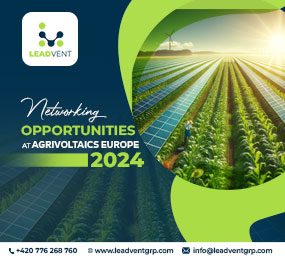
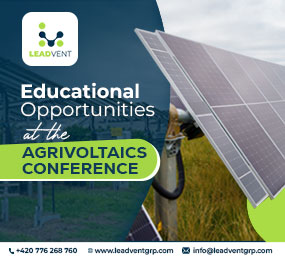
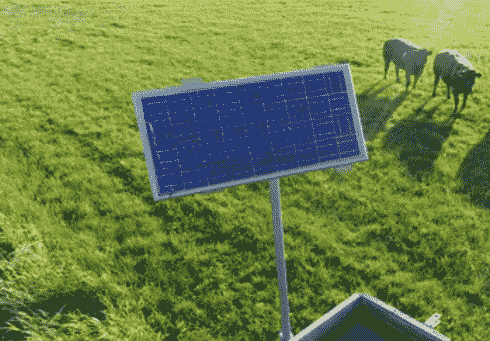
Traditionally, solar farms require large open spaces, often placed on agricultural land. But with agrivoltaics, photovoltaic panels are elevated or spaced in a way that allows crops to grow underneath or between them. This creates a dual-use system that doesn’t force landowners to choose between energy and food.
For farmers, this means additional income from renewable energy without sacrificing crop yield. In fact, certain crops benefit from the shade the panels provide, especially in regions experiencing extreme heat or drought. Lower ground temperatures, reduced water evaporation, and protection from harsh weather are just a few of the benefits.
Climate-Resilient Farming in Action
Agrivoltaics offers a way to future-proof agriculture in the face of increasingly unpredictable weather. By integrating solar infrastructure into farmlands, farmers can reduce their carbon footprint while also improving energy independence especially important in rural communities where power reliability can be a challenge.
Moreover, agrivoltaic systems often act as microclimate moderators. In hot climates, crops like lettuce, tomatoes, and leafy greens have been shown to thrive under solar panels due to reduced sun stress. In cooler regions, agrivoltaics can extend growing seasons by creating a more controlled environment.
Making the Most of Every Hectare
With arable land becoming scarcer, optimizing land use is no longer optional it’s necessary. Agrivoltaics helps countries meet both their agricultural output and
renewable energy targets without expanding into untouched natural ecosystems. It represents a shift in thinking: from land competition to land synergy.
However, successful implementation depends on collaboration between governments, researchers, farmers, and solar developers. Site-specific planning, crop selection, and technology adaptation are critical to ensuring both yields and energy production remain viable.
Takeaway Point:
Agrivoltaics isn’t just about generating clean energy it’s about rethinking how we use land, grow food, and power our future. By allowing agriculture and solar energy to co-exist, we open the door to more resilient farming systems, sustainable energy access, and smarter land use. It’s not a trade-off it’s a partnership between nature and innovation. Learn more on our website: https://www.leadventgrp.com/event/4th-annual-agrivoltaics-europe/register
For more information and group participation, contact us: [email protected] .
Leadvent Group - Industry Leading Events for Business Leaders!
www.leadventgrp.com | [email protected]





Comment