

Agrivoltaics: Where Agriculture Meets Clean Energy
As global populations grow and the demand for both food and energy rises, the pressure on land resources is becoming more pronounced. Traditionally, agricultural production and solar energy development have competed for space. Agrivoltaics offers a balanced alternative one that allows both activities to coexist on the same land, creating a more efficient and sustainable system.
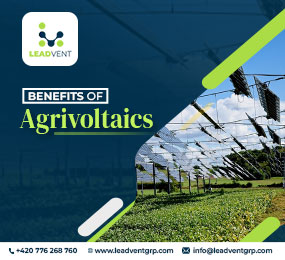
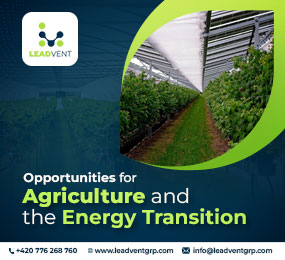
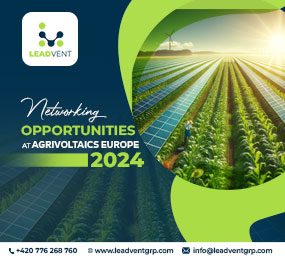
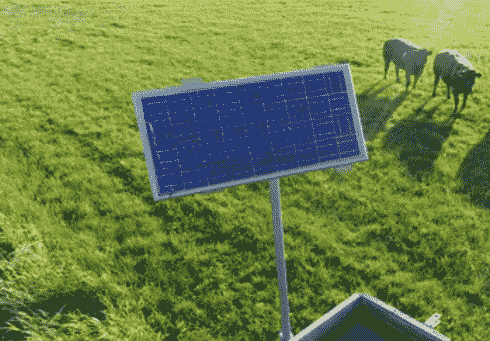
Agrivoltaics is the practice of integrating solar photovoltaic (PV) panels with agricultural activities. Instead of covering farmland entirely with solar installations, panels are mounted at a height or arranged in a way that allows crops to grow underneath or between them. This dual-use approach transforms land into a space that generates both food and clean electricity.
One of the most immediate benefits of agrivoltaics is improved land productivity. By combining energy generation with agriculture, farmers and landowners can make better use of available space. This is particularly valuable in regions where land is limited or where expanding agricultural areas is not feasible.
The presence of solar panels can also create a more favorable environment for certain crops. The partial shade provided by the panels helps reduce heat stress and protects plants from excessive sunlight. This can be especially beneficial in warmer climates, where intense sunlight can negatively affect crop yields. In some cases, crops grown under agrivoltaic systems have shown improved growth and resilience.
Water conservation is another important advantage. Solar panels reduce the amount of direct sunlight hitting the soil, which can lower evaporation rates. This helps retain soil moisture and reduces the need for frequent irrigation, an important benefit in regions facing water scarcity.
For farmers, agrivoltaics provides an opportunity to diversify income. In addition to agricultural production, land can generate revenue through energy generation or leasing arrangements with solar developers. This added financial stability can help farmers manage risks associated with changing weather patterns and market conditions.
Technological innovation has made agrivoltaic systems more adaptable. Adjustable panel designs, tracking systems, and customized layouts allow installations to be tailored to different crop types and farming practices. This flexibility ensures that both energy production and agricultural output can be optimized.
Despite its potential, agrivoltaics requires careful planning. Factors such as panel spacing, height, and orientation must be designed to ensure that crops receive
sufficient sunlight. Collaboration between farmers, engineers, and policymakers is essential to achieve the right balance between energy generation and agricultural productivity.
Across different regions, agrivoltaics is gaining attention as a practical solution for sustainable development. Governments and research institutions are exploring pilot projects and large-scale deployments to better understand its long-term benefits. As renewable energy targets expand, agrivoltaics offers a way to meet these goals without compromising food security.
Looking ahead, agrivoltaics represents a shift in how land is viewed and utilized. Rather than choosing between agriculture and energy production, it demonstrates that both can coexist in a mutually beneficial way. This integrated approach aligns with broader efforts to create more sustainable and resilient systems.
Takeaway Point: Agrivoltaics maximizes land use by combining solar energy generation with agriculture, supporting sustainable food production while advancing clean energy development. Learn more on our website: https://www.leadventgrp.com/event/4th-annual-agrivoltaics-europe/register
For more information and group participation, contact us: [email protected]
Leadvent Group - Industry Leading Events for Business Leaders!
www.leadventgrp.com | [email protected]





Comment