

Best Practices for Offshore Wind Turbine Failure Analysis
As offshore wind turbines scale to 15 MW behemoths, the sea remains an unforgiving landlord. With global failure rates hovering around 8% in 2025, the industry has shifted from reactive "fix-it" mindsets to sophisticated, data-driven forensic strategies. In 2026, effective failure analysis is the primary lever for reducing the Levelized Cost of Energy (LCOE).
1. Evolution to AHP-FMEA
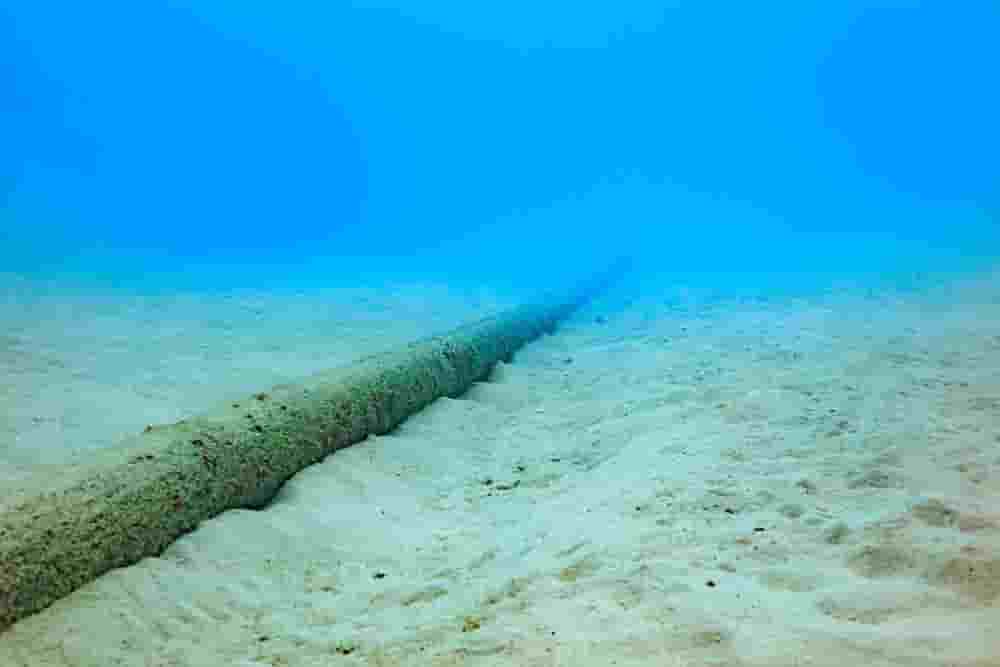
Standard Failure Mode and Effects Analysis (FMEA) often treats all risks equally, but offshore reality is different. Best practice now utilizes the Analytic Hierarchy Process (AHP) to weight variables. This ensures that high-value risks—like subsea cable faults, which account for over 50% of insurance claim values—are prioritized over minor mechanical wear. The goal is a more nuanced Risk Priority Number (RPN):
$$RPN = S \times O \times D$$
(Where $S$ is Severity, $O$ is Occurrence, and $D$ is Detectability, each weighted by environmental criticality).
2. Digital Twins and High-Fidelity Simulation
The "Digital Twin" is no longer a buzzword; it is a forensic requirement. By integrating SCADA data with Fluid-Structure Interaction (FSI) simulations, engineers can virtually replicate a failure event. This allows teams to analyze how specific "met-ocean" conditions—like a 2025-level North Sea gale—interacted with a turbine's structural harmonics to cause a blade fracture.
3. Multi-Stream AI Data Fusion
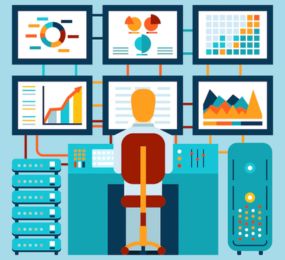
Relying on isolated SCADA logs is a legacy mistake. 2026 best practices involve Data Fusion, merging high-frequency vibration data from Condition Monitoring Systems (CMS) with fiber-optic structural health sensors. AI models, specifically Radial Basis Function (RBF) networks, can now identify "pre-failure signatures" up to 20 hours before a catastrophic event, allowing for remote "Safe Mode" feathering.
4. Autonomous Forensic Deployment
Safety and weather windows dictate offshore access. Utilizing AI-equipped drones for blade inspections and Remotely Operated Vehicles (ROVs) for subsea foundation checks provides high-resolution forensic evidence without risking human life. These autonomous tools ensure that visual evidence of corrosion or delamination is captured immediately following a fault.
Visit our website to know more: https://www.leadventgrp.com/events/5th-annual-offshore-wind-operations-and-maintenance-forum/details
For more information and group participation, contact us: [email protected]
Leadvent Group - Industry Leading Events for Business Leaders!
www.leadventgrp.com| [email protected]


Comment