

CEE Hydrogen: Building a Regional Pathway to a Low-Carbon Energy Future
Hydrogen is steadily moving from concept to practical solution in the global energy transition, and Central and Eastern Europe (CEE) is beginning to define its role in this shift. With a strong industrial base, growing renewable energy capacity, and strategic geographic positioning, the CEE region is emerging as an important player in Europe’s hydrogen ambitions.
Historically, many CEE countries have relied heavily on coal, gas, and energy imports to power their economies. Today, the pressure to decarbonize, improve energy security, and modernize infrastructure is accelerating interest in hydrogen as a versatile, long-term solution. Governments and industry stakeholders across the region are now exploring how hydrogen can support cleaner industry, transport, and power systems without undermining economic competitiveness.
Renewable hydrogen production is central to this vision. The expansion of wind and solar projects in countries such as Poland, Romania, Hungary, and the Baltic states is creating new opportunities for green hydrogen generation. By using renewable electricity to produce hydrogen through electrolysis, the region can reduce emissions while making productive use of surplus renewable power. This approach also aligns with broader European climate targets and funding frameworks.
Industry is a key driver of hydrogen demand in CEE. Heavy sectors such as steel, chemicals, refining, and cement are difficult to electrify and face increasing pressure to cut emissions. Hydrogen offers a realistic pathway to decarbonize these operations, whether as a fuel, a feedstock, or a means of storing energy. Pilot projects and early partnerships between industrial players and technology providers are already demonstrating what is possible at scale.
Transport is another area of growing focus. Hydrogen-powered buses, trucks, and rail solutions are being assessed as alternatives for routes where battery-electric options may not be practical. At the same time, discussions around hydrogen corridors and cross-border infrastructure are gaining momentum, reflecting the region’s role as a transit hub between Western Europe and neighboring markets.
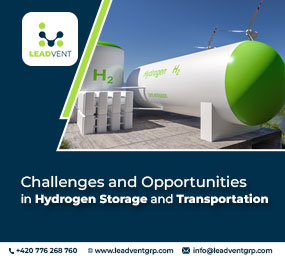
Infrastructure development remains one of the biggest challenges. Producing hydrogen is only part of the equation; storage, transport, and distribution systems must also be built or adapted. Existing gas networks may offer opportunities for hydrogen blending or conversion, but this requires careful planning, investment, and regulatory clarity. Encouragingly, several CEE countries are now integrating hydrogen into their national energy strategies, providing a clearer roadmap for stakeholders.
European support mechanisms are playing an important role in accelerating progress. Access to EU funding, research programs, and cross-border initiatives is helping reduce risk and attract private investment. Collaboration across the region is also improving, with knowledge-sharing and joint projects strengthening the overall hydrogen ecosystem.
While challenges remain, the direction is clear. Hydrogen is becoming a strategic tool for Central and Eastern Europe to modernize its energy systems, reduce emissions, and strengthen long-term resilience. Success will depend on consistent policy support, realistic project timelines, and close cooperation between governments, industry, and financiers.
Takeaway Point
CEE’s hydrogen journey is gaining momentum, offering the region a practical route to decarbonize industry, enhance energy security, and position itself as a meaningful contributor to Europe’s clean energy future. Learn more on our website: https://www.leadventgrp.com/event/10th-edition-cee-hydrogen-summit/register
For more information and group participation, contact us: [email protected]
Leadvent Group - Industry Leading Events for Business Leaders!
www.leadventgrp.com | [email protected]







Comment