

Crop Suitability in Agrivoltaics: Matching Panel Layouts with Agriculture Needs
Food production needs to increase by 70% by 2050 to meet population demands, and advanced technologies focused on sustainable energy creation need to be implemented to reach climate goals while adhering to a climate timeline.
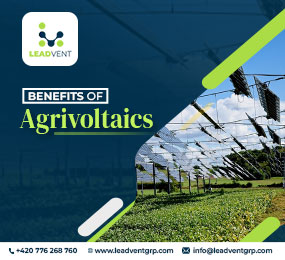
Agrivoltaics is a unique method that allows for energy production through solar panels and farming from the same piece of land, and is beneficial to reducing land waste, the food shortage, and the demand for contamination-free energy production.
Success with agrivoltaic systems is more than just placing solar panels on crop fields. It demands thorough planning. Agrisolar systems can deliver about 80-90% of the usual crop harvests while also generating revenue from renewable energy. A wrongly designed system, on the other hand, can ruin both energy output and crop production.
Learning About Panel Setup Designs
Picking the right panel setup is the first step to starting a strong agrivoltaics project. Market studies show that in 2024, 46.1% of agrivoltaic systems used overhead tilted setups.
Overhead Tilted Systems
These setups sit elevated 2 to 3 meters high, with panels placed at an angle. This design strikes a balance between generating solar energy and shielding crops. The height allows farmers to use most farming tools without issues, and the tilt boosts energy output. These systems also help create better conditions to shield plants from harsh weather, extreme heat, or hail.
Interspace Configurations
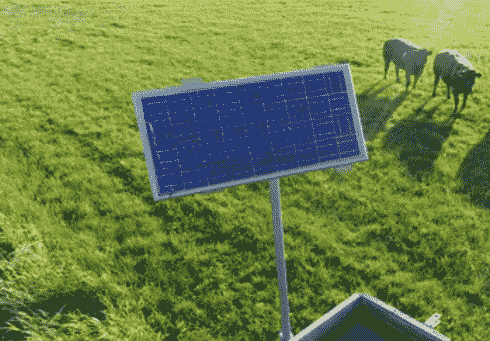
Solar panels placed on the ground with deliberate spaces between rows work well in both pasture and crop farming. This setup puts a focus on easy use of farm tools and flexibility in operations. Farmers can still run regular machines with only small adjustments. The gaps between the panels make it possible to keep regular planting, growing, and harvesting methods going.
Semi-Transparent Models and Adjustable Systems
The latest agrivoltaic technology uses special panels that filter certain wavelengths and setups that can move. These newer innovations give users more power over how light passes through, letting them adjust the environment as crops grow. Although these agripv systems are expensive now, they look promising for high-value crops where details make all the difference.
Types of Crops and Key Considerations
Not all crops adjust well to agrisolar setups. To set up an effective system, it is important to understand plant biology and growth.
Shade-Tolerant Crops
Studies identify some crops as ideal for agrivoltaics. Crops falling into the categories of berries and leafy veggies are great options. These plants benefit from the shade panels. They face less heat stress and need less water for irrigation.
Leafy greens like spinach, kale, and lettuce do well under light filtered through spaced panels. Berry plants such as strawberries and blueberries often produce the same or even better yields because they are shielded from harsh temperatures. Herbs also match well with agrivoltaics.
Thinking About Light Needs
In agripv systems, crops like corn, wheat, and soybeans are more complex than other crops. The challenge with these crops is that they need full sunlight for photosynthesis; therefore, determining where to place the panels will be critical for growth. Farmers will need to know how far apart panels ought to be, how high they should be, and how much space they leave for the plants to allow sunlight in at the most important times of growth.
Special Crops and High-Value Yield
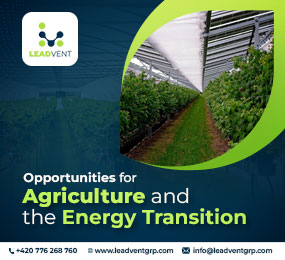
Horticulture setups offer some of the best chances to combine solar energy with farming. Greenhouse-style agripv systems can create ideal conditions to grow high-value crops like tomatoes, peppers, or even cut flowers. The dual advantage of better crop quality and extra income can make the higher cost of infrastructure worth it.
Ways to Optimize Design
Managing Light Spread
Understanding the right balance of light is key to boosting both crop production and generating electricity. Things like how high the panels are, their tilt, or the gaps between them should fit with the season, crop growth, and harvest cycles. Crops grown in summer might gain from shade during the hottest times, while winter crops need full sunlight exposure.
Matching the Right Equipment
Modern agrivoltaic systems need to balance the needs of solar owners as well as farm operators and farmers. The distance between solar panels, the angle of panels, and the height of panels must be based on seasonal sun angles and how and when the crops will be growing and harvested.
Important factors to include:
- Easy access to clean solar panels and run farm operations
- Fitting irrigation systems without causing problems
- Keeping space clear for harvest machines to move
- Allowing emergency vehicles to reach crops when needed
Managing the Microclimate
Installing panels affects heat levels, wind movement, and how moisture stays in the soil. Lower wind speeds can protect plants from harm, and steady temperatures can maximize crop growth for longer tenure in some areas.
Financial and Operational Factors
Investments vs. Returns
Building agripv systems costs more compared to regular solar farms, but earning from two sources can make it worth it. Studies of land use show these systems can have Land Equivalent Ratios (LER) over 1.3. This means they provide more value together than if solar and farming operated.
How to Track Success
Effective agrivoltaics projects focus on more than just how much energy is made or how many crops are grown. They monitor water efficiency, soil health, and biodiversity, too. These extra checks show if the project is worth sticking with for a long time.
Future and Growth Prospects with Agrivoltaics Europe
The agrisolar field keeps evolving. Smart tech like IoT sensors and AI tools pave the way for systems that can adjust panels based on the requirements of crops at the moment. Panels that are see-through or capture light from the front and back open up better ways to manage sunlight. Self-adjusting systems can boost energy made and benefit crops at the same time.
Market forecasts indicate steady growth as technology becomes cheaper and regulatory systems grow stronger.
Achieving success requires teamwork between farming and energy specialists backed by ongoing studies and testing in real conditions.
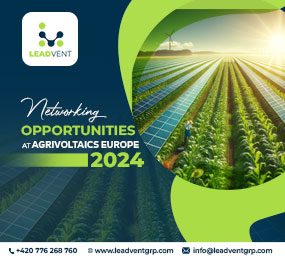
The 4th Annual Agrivoltaics Europe conference, hosted by Leadvent Group, brings together experts to discuss new ideas, share practical methods, and push the industry forward as a team. As agrivoltaics technology develops further, these shared learning spaces will be essential to achieve better results across various farming setups.
Frequently Asked Questions (FAQs)
Which crops grow best with agrivoltaic systems?
Crops that can handle shade, like herbs, berries, and leafy greens, tend to thrive. They often use less water and still produce harvests similar to what they’d yield in regular farming setups.
What’s the best panel height for farming?
You’ll need panels at 2 to 3 meters high to fit standard farming tools. If you’re working with bigger machines or growing specific crops, you might require taller setups around 4 to 5 meters.
What do you need to think about when designing agripv systems?
Important things to focus on include distributing light, allowing easy access to equipment, making sure it works with irrigation systems, and setting up panel layouts to suit the crops and the area's growing conditions.



Comment