

Decommissioning and Recycling Challenges for Aging Submarine Infrastructure
As global energy infrastructure ages and transitions towards new forms of power generation, the decommissioning and recycling of aging submarine infrastructure, particularly oil and gas pipelines and subsea power cables, present significant technical, economic, and environmental challenges. Ensuring responsible end-of-life management for these vast underwater networks is crucial to mitigate ecological harm and promote a circular economy.
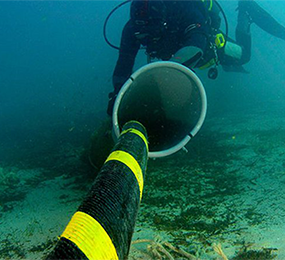
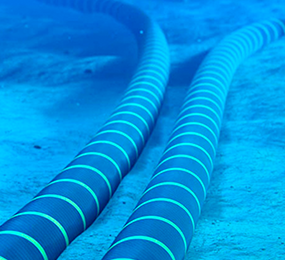
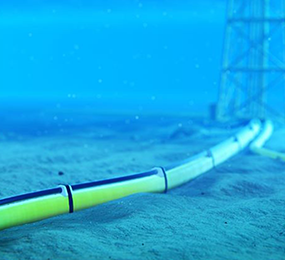
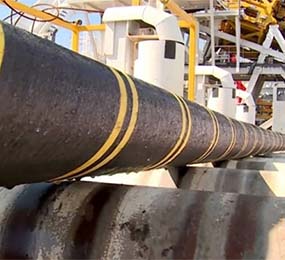
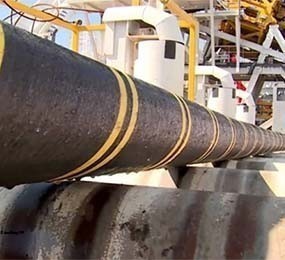
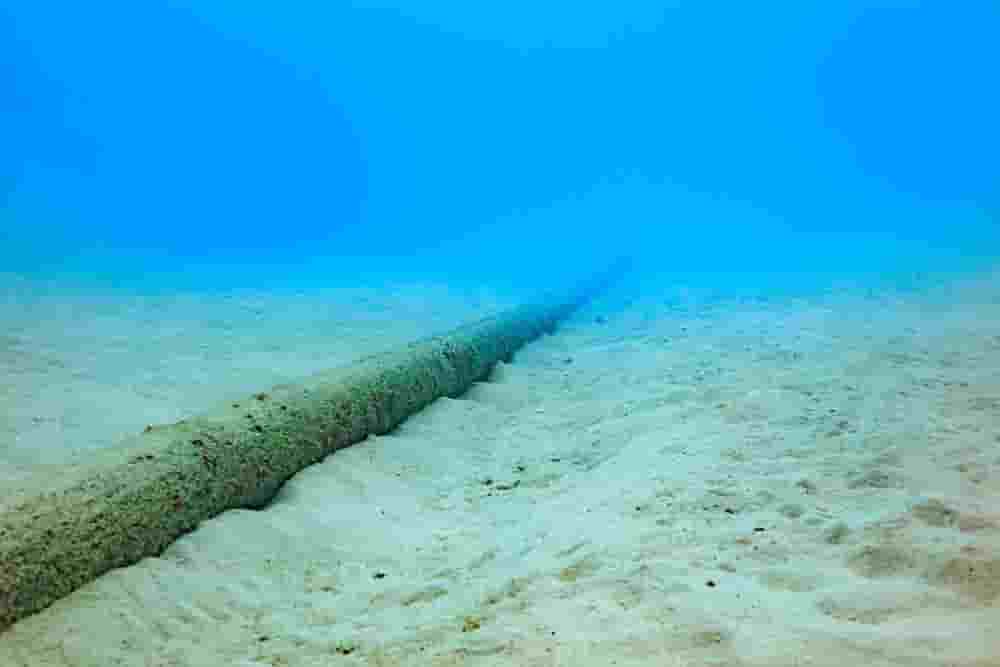
One primary challenge is the complexity of removal. Subsea infrastructure is designed for extreme durability, often buried or armored to withstand harsh marine environments. Removing these structures can be technically demanding, requiring specialized vessels, remotely operated vehicles (ROVs), and cutting-edge tools. The sheer scale of the infrastructure, spanning thousands of kilometers of pipelines and cables, further complicates logistics and increases operational costs. Additionally, the presence of residual hydrocarbons in pipelines or hazardous materials within cable insulation poses environmental risks during removal if not handled meticulously.
Recycling difficulties represent another major hurdle. Subsea cables and pipelines are typically composite structures, featuring a mix of metals (copper, steel), plastics (polyethylene, PVC), and other insulating materials. Separating these components into pure, recyclable streams is challenging due to their robust design and the chemical bonding of certain polymers. Traditional recycling methods often fall short, leading to downcycling or landfilling. Innovative technologies, such as cryogenic comminution or advanced chemical recycling, are being explored to improve material recovery, but these are often in early stages of development and require significant investment to scale.
Furthermore, environmental considerations are paramount. Decisions on whether to remove infrastructure entirely, partially, or leave it in situ (rigs-to-reefs) involve complex trade-offs between immediate disturbance during removal and long-term impacts of abandonment. Regulatory frameworks are evolving to address these complexities, emphasizing waste minimization, pollution prevention, and ecosystem protection. Overcoming these challenges requires collaborative efforts from industry, governments, and research institutions to develop cost-effective, environmentally sound, and technologically advanced decommissioning and recycling solutions.
Visit our website to know more: https://www.leadventgrp.com/events/5th-annual-submarine-power-cable-and-interconnection-forum/details
For more information and group participation, contact us: [email protected]
Leadvent Group - Industry Leading Events for Business Leaders!




Comment