

E-Fuels: A Bridge Toward a Low-Carbon Future
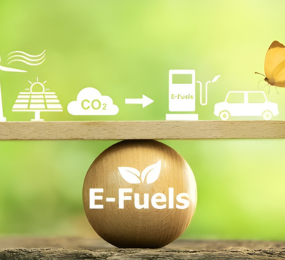
As the world races toward carbon neutrality, much of the spotlight has been on electrification. But there's another powerful solution gaining ground e-fuels. Short for electrofuels, e-fuels are synthetic fuels created by combining hydrogen (produced through renewable electricity) with carbon dioxide. The result is a cleaner, low-emission alternative that can be used in existing engines, ships, aircraft, and industrial machinery.
At first glance, it may sound like science fiction. But e-fuels are very real and they’re poised to play a critical role in decarbonizing sectors where battery electrification falls short.
Why E-Fuels Matter
In sectors like aviation, shipping, and heavy-duty transport, replacing fossil fuels isn’t just difficult it’s nearly impossible using today’s battery technologies. These areas need high energy density and long ranges, which e-fuels can deliver without the need for overhauling current infrastructure.
Because e-fuels are “drop-in” fuels, they can be blended with or replace gasoline, diesel, or jet fuel meaning ships don’t need new engines, and aircraft don’t need redesigning. For industries that can’t afford downtime or retrofitting costs, this makes e-fuels an incredibly practical option.
Climate Benefits Without Compromise
The real environmental promise of e-fuels lies in their closed carbon cycle. The CO? used in their production is captured from the air or industrial sources. When the fuel is burned, the same amount of CO? is released resulting in net-zero emissions, provided the hydrogen is produced from renewable electricity.
It’s not perfect e-fuels still release emissions at the tailpipe but the overall impact is far lower than traditional fossil fuels. When scaled properly, this can significantly contribute to national and international climate targets.
Industry and Policy in Sync
Around the globe, countries are waking up to the potential of e-fuels. The European Union, for example, has included e-fuels in its regulatory framework for carbon neutrality by 2050. Leading automakers, energy companies, and innovators are investing in pilot projects and full-scale plants.
Meanwhile, partnerships between government, academia, and private industry are accelerating R&D, helping reduce production costs, and proving that e-fuels aren’t just a niche experiment they’re part of the energy transition.
Takeaway Point: E-fuels aren’t a silver bullet, but they offer a critical, immediate pathway to cleaner energy for sectors that can’t easily go electric. By investing in innovation, responsible sourcing, and strong policy support, e-fuels can help the world move closer to its climate goals without leaving industries behind.
Learn more on our website: https://www.leadventgrp.com/event/2nd-annual-world-e-fuels-summit/register
For more information and group participation, contact us: [email protected]
Leadvent Group - Industry Leading Events for Business Leaders!
www.leadventgrp.com | [email protected]









Comment