

E-Fuels: Bridging the Gap Between Traditional Energy and Sustainability
As industries and governments work toward reducing carbon emissions, attention is increasingly turning to alternative energy solutions that can support existing infrastructure while lowering environmental impact. Among the emerging options, e-fuels are gaining recognition as a practical pathway toward cleaner energy use, particularly in sectors that are difficult to electrify.
E-fuels, also known as synthetic fuels, are produced using renewable electricity, hydrogen, and captured carbon dioxide. Unlike conventional fossil fuels, they are designed to create a more balanced carbon cycle by using carbon already present in the atmosphere or industrial processes. This approach offers the potential to reduce overall greenhouse gas emissions while maintaining compatibility with current fuel systems.
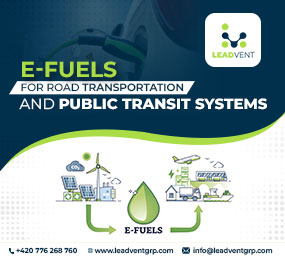
The production process begins with electrolysis, where renewable electricity is used to split water into hydrogen and oxygen. The hydrogen is then combined with captured carbon dioxide to create synthetic liquid or gaseous fuels such as e-methanol, e-diesel, and e-kerosene. These fuels can be used in existing engines, turbines, and transport systems without extensive modifications.
One of the main advantages of e-fuels is their compatibility with current infrastructure. Pipelines, storage facilities, fueling stations, and transport systems already designed for conventional fuels can often be adapted for e-fuels. This reduces the need for entirely new infrastructure and allows industries to transition more gradually toward lower-emission operations.
E-fuels are particularly valuable in sectors where direct electrification is challenging. Aviation, maritime shipping, and heavy industrial transport require energy-dense fuels capable of supporting long-distance operations. Battery technology alone may not currently meet these demands at scale, making e-fuels an important alternative.
In aviation, e-fuels can help reduce the carbon footprint of long-haul flights while maintaining the performance standards required for air travel. In shipping, synthetic fuels offer opportunities to lower emissions from vessels operating across international routes. Industrial sectors that rely heavily on high-temperature processes may also benefit from cleaner fuel alternatives.
Despite their potential, e-fuels face several challenges. Production remains energy-intensive and requires large amounts of renewable electricity. As a result, costs are currently higher than those associated with conventional fuels. Expanding production capacity will depend on continued investment in renewable energy infrastructure and technological improvements.
Efficiency is another consideration. Converting electricity into fuel and then using that fuel for energy involves multiple stages, each with some level of energy loss. For this reason, e-fuels are generally viewed as complementary to electrification rather than a replacement for it.
Technological innovation is helping improve the outlook for e-fuels. Advances in electrolysis systems, carbon capture technologies, and fuel synthesis methods are gradually reducing costs and improving efficiency. As these technologies mature, e-fuels are expected to become more commercially viable.
Policy support is also accelerating development. Governments and international organizations are introducing incentives, funding research programs, and establishing regulatory frameworks to encourage investment in synthetic fuel production and adoption.
E-fuels represent an important part of the broader energy transition. While they are not a single solution to global decarbonization, they provide flexibility and practicality for sectors where other low-carbon alternatives remain limited.
Takeaway Point:
E-fuels offer a practical low-carbon solution for industries that are difficult to electrify, helping reduce emissions while leveraging existing fuel infrastructure.
Learn more on our website: https://www.leadventgrp.com/event/3rd-annual-world-e-fuels-summit/register
For more information and group participation, contact us: [email protected]
Leadvent Group - Industry Leading Events for Business Leaders!
www.leadventgrp.com | [email protected]













Comment