

E-Fuels: Driving the Transition to Cleaner Mobility
The global push for decarbonization is reshaping the way we move, work, and power our lives. While electric mobility often dominates the conversation, another solution is quietly gaining ground E-Fuels. These synthetic fuels, produced using renewable energy, have the potential to transform sectors that are hard to electrify, such as aviation, shipping, and long-haul transport.
What Are E-Fuels?
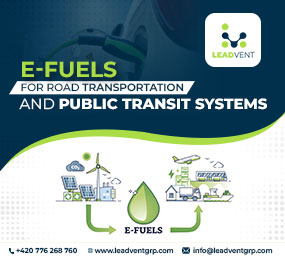
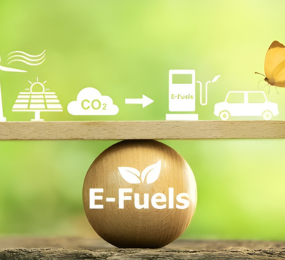
E-Fuels, or electrofuels, are produced by combining hydrogen created through electrolysis powered by renewable energy with carbon dioxide captured from the atmosphere or industrial processes. The result is a synthetic fuel that can be used in existing engines, pipelines, and fueling infrastructure.
Unlike fossil fuels, which release “new” carbon into the atmosphere, E-Fuels recycle carbon that already exists, making them nearly carbon-neutral when produced responsibly. This closed carbon loop is what makes them an attractive option for reducing greenhouse gas emissions.
Why E-Fuels Matter
The challenge with decarbonizing transport is that not all modes of travel can easily switch to batteries or hydrogen. Heavy-duty trucks, airplanes, and ships require high energy density fuels that batteries cannot yet provide efficiently. E-Fuels offer a drop-in solution that can power existing fleets without the need for costly overhauls of infrastructure or vehicles.
For industries that depend on global supply chains and long-distance operations, E-Fuels provide a realistic pathway to cutting emissions while maintaining reliability.
The Global Shift Toward E-Fuels
Countries in Europe, particularly Germany, are taking the lead in advancing E-Fuel technology. Pilot projects and production facilities are already being developed, with plans to scale production over the next decade. Automotive companies and airlines are also investing in partnerships to secure future supplies, recognizing the potential of E-Fuels in meeting climate targets.
Governments are supporting this momentum with regulatory frameworks that encourage investment and mandate emission reductions. As policies evolve, E-Fuels could become a critical pillar of national energy strategies.
Benefits Beyond Carbon Neutrality
E-Fuels not only reduce emissions but also diversify energy sources, reducing dependence on fossil fuels. By using renewable electricity and captured carbon, they integrate seamlessly into the broader renewable energy ecosystem.
Additionally, E-Fuel production can stimulate local economies by creating new industries and jobs in renewable energy, carbon capture, and synthetic fuel manufacturing. This makes them not only an environmental solution but also an economic opportunity.
Challenges Ahead
Despite their promise, E-Fuels face hurdles. Production costs remain high compared to conventional fuels, and large-scale deployment requires massive investments in renewable energy and carbon capture technology. Ensuring sustainability in sourcing CO? and scaling production without excessive energy demand are also critical issues to address.
Looking Forward
The road to widespread adoption of E-Fuels may be complex, but the direction is clear. As technologies mature, costs decline, and global climate policies tighten, E-Fuels are set to play an essential role in the future energy mix.
Takeaway Point: E-Fuels offer a practical solution for decarbonizing hard-to-electrify sectors. By reusing carbon and relying on renewable energy, they provide a bridge between today’s fossil fuel dependence and tomorrow’s sustainable mobility. Their success will depend on collaboration between industry, governments, and communities to scale production and drive affordability.
Learn more on our website: https://www.leadventgrp.com/event/2nd-annual-world-e-fuels-summit/register
For more information and group participation, contact us: [email protected]
Leadvent Group - Industry Leading Events for Business Leaders!
www.leadventgrp.com | [email protected]









Comment