

E-Fuels in Africa: Driving Sustainable Energy and Economic Growth
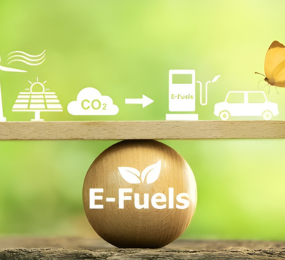
Africa’s energy future is at a turning point. With a growing population and rising demand for energy, the continent faces the dual challenge of meeting immediate needs while addressing climate change. One emerging solution is e-fuels—synthetic fuels produced from renewable electricity, water, and captured carbon dioxide. For Africa, e-fuels offer more than just an alternative energy source; they represent a pathway to sustainability, economic opportunity, and global competitiveness.
Understanding the Potential of E-Fuels
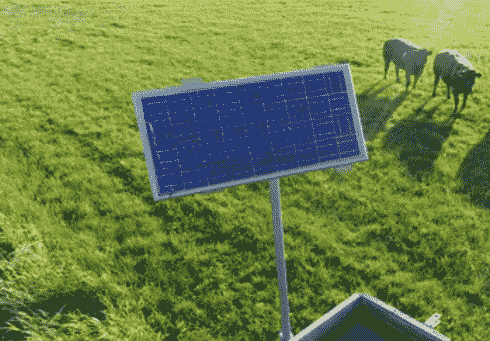
E-fuels are designed to mimic traditional fossil fuels but with a significantly reduced carbon footprint. Unlike conventional fuels, their production relies on renewable energy sources such as solar and wind resources Africa has in abundance. This positions the continent as a natural hub for e-fuel production, particularly in regions with vast renewable potential like North Africa’s deserts or the coastal areas of Southern Africa.
Why Africa Needs E-Fuels
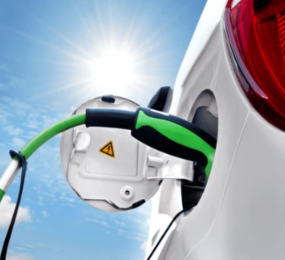
The continent still relies heavily on fossil fuels, both for transportation and industrial use. While the transition to electric mobility is underway in some regions, the infrastructure gap such as limited charging networks makes a full shift challenging. E-fuels bridge this gap by offering a cleaner alternative that works with existing engines and transport systems. This means Africa can reduce emissions without completely overhauling infrastructure.
Economic Opportunities
Beyond environmental benefits, e-fuels hold economic promise. Their production creates new industries, jobs, and investment opportunities. Countries rich in renewable resources could become exporters of synthetic fuels, positioning Africa as a key player in the global energy transition. Partnerships with international investors and technology providers can also accelerate local expertise and infrastructure development.
Challenges on the Road Ahead
Despite the opportunities, scaling up e-fuel production in Africa requires significant investment in renewable energy infrastructure, technological innovation, and supportive policies. High initial costs and limited technical expertise remain barriers. However, with strong governance, regional cooperation, and international collaboration, these challenges can be overcome.
Looking Toward the Future
E-fuels should not be seen as a stand-alone solution but as part of a broader energy mix. Alongside solar, wind, hydropower, and other renewables, e-fuels can play a critical role in ensuring Africa’s transition to a low-carbon economy is inclusive and resilient. For many African nations, embracing e-fuels is not just about sustainability it’s about securing energy independence and long-term prosperity.
Takeaway Point: E-fuels present Africa with an opportunity to lead in clean energy innovation while creating economic growth. By harnessing renewable resources and investing in supportive policies, Africa can turn its abundant natural potential into a driver of sustainable development and global competitiveness.
Learn more on our website: https://www.leadventgrp.com/event/2nd-annual-world-e-fuels-summit/register
For more information and group participation, contact us: [email protected]
Leadvent Group - Industry Leading Events for Business Leaders!
www.leadventgrp.com | [email protected]








Comment