

E-Fuels: Powering a Cleaner Future Without Replacing Existing Engines
As the world races toward decarbonization, many industries are caught in a dilemma: how to reduce carbon emissions without scrapping the infrastructure and machinery already in place. This is where E-Fuels short for electrofuels step in as a promising and practical solution.
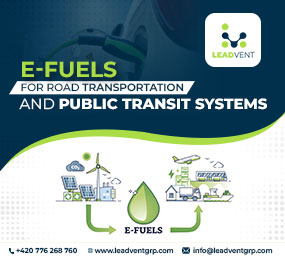
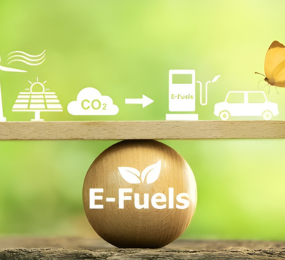
E-Fuels are synthetic fuels produced by combining green hydrogen (made from water using renewable electricity) with captured carbon dioxide. The result is a liquid or gaseous fuel that can be used in traditional combustion engines. In simple terms, E-Fuels offer the benefits of cleaner energy while allowing us to keep using the vehicles, ships, planes, and heavy machinery we already have.
Why E-Fuels Matter
One of the biggest barriers to transitioning to clean energy lies in sectors that are hard to electrify such as aviation, maritime transport, and heavy-duty vehicles. These sectors require high energy density and long-range capability that current battery technology struggles to deliver efficiently.
E-Fuels provide an alternative. Since they are chemically similar to fossil fuels, they can be used in existing internal combustion engines with little to no modification. This means no need to replace entire fleets or invest in massive infrastructure overhauls.
More importantly, when produced using renewable energy and CO? captured from the atmosphere or industrial processes, E-Fuels can be nearly carbon-neutral. The CO? released when they are burned is balanced by the CO? captured during their production creating a circular, climate-friendly cycle.
The African Opportunity
For Africa, E-Fuels hold strategic importance. Many African countries still rely heavily on fossil fuels, and the infrastructure for electric mobility is limited or non-existent. Investing in E-Fuel production could reduce dependence on imported fuels while creating local job opportunities in clean energy.
Moreover, with vast potential for solar and wind energy across the continent, Africa could become a competitive producer of green hydrogen the building block of E-Fuels. This could pave the way for both domestic use and international export, positioning Africa as a key player in the global clean fuel market.
Challenges to Address
Despite their promise, E-Fuels face challenges. The production process is energy-intensive and costly, especially compared to fossil fuels. Large-scale adoption will depend on scaling up renewable energy capacity, reducing the cost of green hydrogen, and creating supportive policy frameworks.
Questions about sustainability also persist. The source of carbon used, the availability of clean electricity, and lifecycle emissions all need to be carefully managed to ensure E-Fuels are genuinely beneficial to the climate.
Looking Ahead
E-Fuels are not a silver bullet, but they’re a vital part of a larger decarbonization puzzle. By offering a way to reduce emissions without throwing away what already works, they strike a balance between innovation and practicality.
Takeaway Point: E-Fuels represent a bridge between today’s infrastructure and tomorrow’s climate goals. They offer a practical, scalable solution for reducing emissions in hard-to-electrify sectors without leaving existing technology behind.
Learn more on our website: https://www.leadventgrp.com/event/2nd-annual-world-e-fuels-summit/register
For more information and group participation, contact us: [email protected] .
Leadvent Group - Industry Leading Events for Business Leaders!
www.leadventgrp.com | [email protected]










Comment