

E-Fuels: Powering the Future of Sustainable Energy and Transport
As industries around the world search for cleaner alternatives to fossil fuels, e-fuels are emerging as one of the most promising solutions in the global transition toward low-carbon energy. Also known as synthetic fuels, e-fuels are designed to reduce greenhouse gas emissions while supporting existing transportation and industrial systems that still rely heavily on liquid and gaseous fuels.
The growing interest in e-fuels reflects the increasing pressure on governments, businesses, and energy providers to achieve climate targets without disrupting economic activity. While renewable electricity continues to expand rapidly, some sectors such as aviation, shipping, and heavy industry remain difficult to electrify. E-fuels offer a practical pathway for reducing emissions in these hard-to-abate industries.
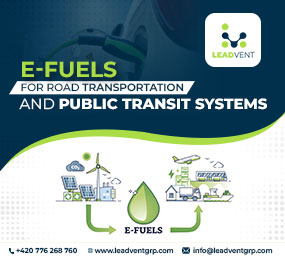
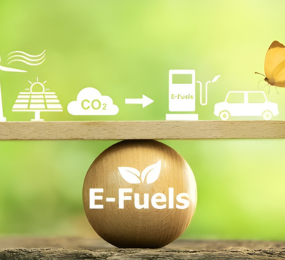
E-fuels are produced using renewable electricity, hydrogen, and captured carbon dioxide. The process typically begins with electrolysis, where electricity generated from renewable sources like solar or wind is used to split water into hydrogen and oxygen. The hydrogen is then combined with carbon dioxide captured from industrial processes or directly from the atmosphere to create synthetic fuels such as e-diesel, e-methanol, and e-kerosene.
One of the major advantages of e-fuels is compatibility with existing infrastructure. Unlike some alternative energy systems that require entirely new engines, pipelines, or fueling stations, e-fuels can often be integrated into current fuel networks with minimal modification. This makes them especially attractive for industries seeking to lower emissions without replacing large-scale infrastructure.
The aviation sector is one of the key areas where e-fuels could have significant impact. Commercial aircraft require highly energy-dense fuels capable of supporting long-distance travel. Battery technology currently faces limitations in large-scale aviation, making synthetic aviation fuels an important option for reducing lifecycle emissions while maintaining operational performance.
Shipping is another industry exploring e-fuels as part of broader decarbonization efforts. Global trade relies heavily on marine fuels, and shipping companies are increasingly investing in cleaner energy solutions to meet environmental regulations and sustainability targets. E-fuels provide an opportunity to reduce emissions while supporting long-haul maritime operations.
Heavy industrial sectors are also beginning to consider the role of e-fuels in supporting cleaner manufacturing processes. Some industrial systems require high-temperature energy that cannot easily be replaced with direct electrification. Synthetic fuels may help bridge this gap while reducing carbon intensity.
Despite their potential, e-fuels still face several challenges. Production remains energy-intensive and currently more expensive than traditional fossil fuels. Large-scale deployment will require continued expansion of renewable energy capacity, technological innovation, and investment in production infrastructure.
Efficiency is another important consideration. The conversion of renewable electricity into fuel and then back into usable energy involves several stages where energy losses occur. As a result, many experts see e-fuels as a complementary solution alongside electrification rather than a complete replacement.
Governments and private investors are increasingly supporting research and commercial development in the e-fuels sector. Climate policies, carbon reduction targets, and sustainable fuel mandates are helping accelerate adoption and encourage long-term investment.
As the global energy transition continues, e-fuels are expected to play an increasingly important role in reducing emissions across sectors where cleaner alternatives remain limited. Their flexibility, scalability, and compatibility with existing infrastructure make them a valuable part of the future energy mix.
Takeaway Point:
E-fuels are helping industries reduce carbon emissions by providing cleaner alternatives for sectors where direct electrification remains challenging, supporting the transition toward a more sustainable energy future.
Learn more on our website: https://www.leadventgrp.com/event/3rd-annual-world-e-fuels-summit/register
For more information and group participation, contact us: [email protected]
Leadvent Group - Industry Leading Events for Business Leaders!
www.leadventgrp.com | [email protected]










Comment