

European electricity interconnection capacity conference
The European electricity interconnection capacity conference highlighted the urgent need to expand continental energy networks to meet climate goals. As the European Union targets a 15% grid interconnection benchmark by 2030, the discussion naturally focused on integrating massive amounts of variable offshore energy. To link remote marine generation with high-demand inland centers, expanding robust marine infrastructure has become a top priority for transmission system operators.
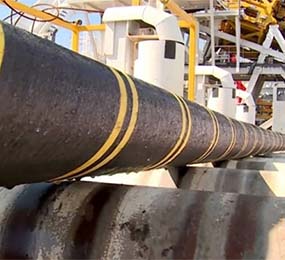
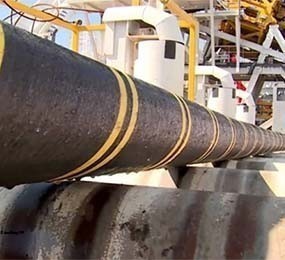
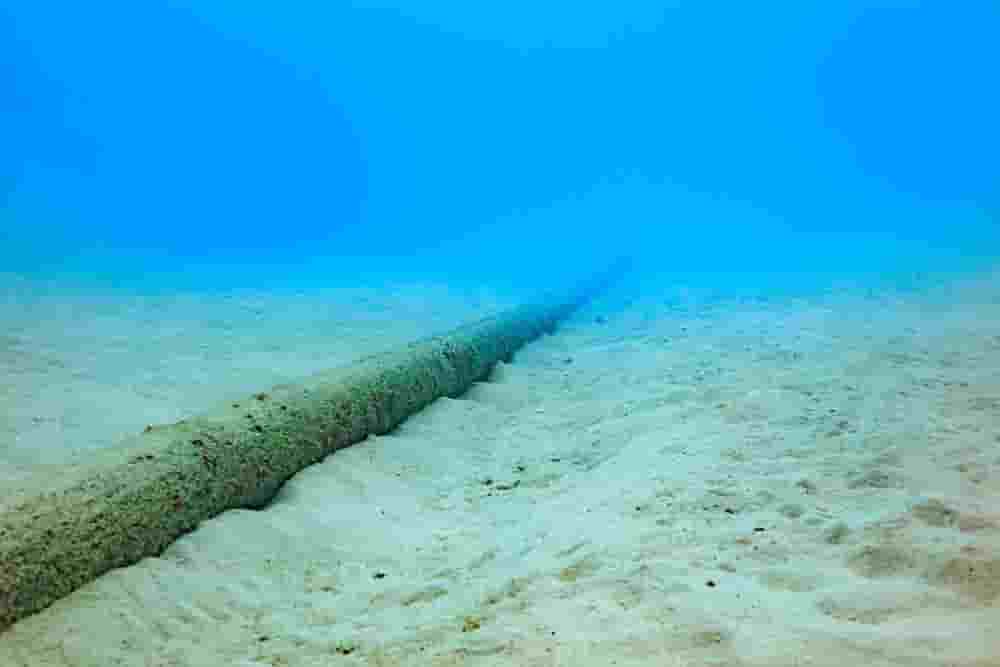
At the heart of this expansion is advanced subsea technology, specifically designed to overcome the physical limitations of alternative current over long distances. A prominent example lauded at the conference was NordLink, the landmark 623-kilometer HVDC interconnector linking Norway’s hydropower reservoirs with Germany’s wind fields. Such cross-border power corridors demonstrate how physical power interconnection can effectively mitigate renewable intermittency, allowing green electricity to flow dynamically where it is needed most.
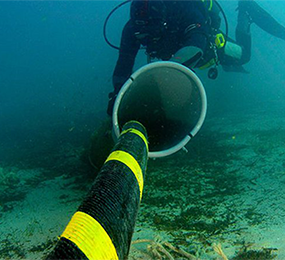
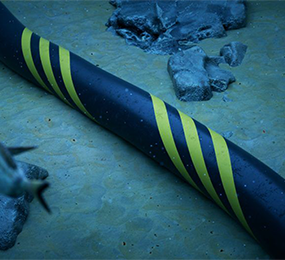
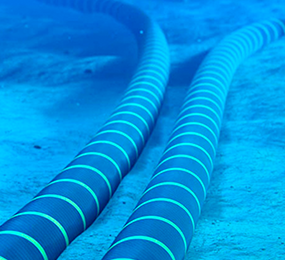
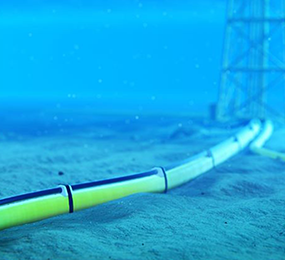
However, executing large-scale cable installation in deep or heavily trafficked European waters presents serious logistical hurdles. Delegates emphasized that ensuring long-term transmission reliability requires rigorous pre-installation routing, high-resolution sonar mapping, and protective armoring to shield submarine cables from maritime accidents or shifting seabed terrain.
Ultimately, the conference made it clear that building a resilient, zero-carbon European grid requires not just political alignment, but sustained engineering excellence beneath the waves.
Visit our website to know more: https://www.leadventgrp.com/events/6th-annual-submarine-power-cable-and-interconnection-forum/details
For more information and group participation, contact us: [email protected]
Leadvent Group - Industry Leading Events for Business Leaders!





Comment