

EV Batteries: Powering the Future of Electric Mobility
At the center of every electric vehicle (EV) is its battery the component that determines range, performance, cost, and overall practicality. As the global automotive industry accelerates toward electrification, EV battery technology has become one of the most strategically important areas of innovation.
Most modern electric vehicles rely on lithium-ion batteries. These batteries are favored for their high energy density, relatively long lifespan, and improving cost efficiency. Energy density is particularly important in transport applications, as it determines how much energy can be stored within a limited weight and space. Higher density translates directly into longer driving range without increasing vehicle mass.
Battery packs are composed of thousands of individual cells grouped into modules and managed by sophisticated battery management systems (BMS). The BMS monitors temperature, voltage, and charging cycles to ensure optimal performance and safety. Effective thermal management is critical. Overheating can degrade battery life and, in extreme cases, pose safety risks. Manufacturers invest heavily in cooling systems and structural protections to safeguard battery integrity.
Cost remains a central consideration. Over the past decade, battery prices have declined significantly due to advances in manufacturing scale, improved chemistry, and supply chain development. This reduction has helped narrow the price gap between electric vehicles and conventional internal combustion engine vehicles. Continued innovation is expected to further improve affordability and accessibility.
Raw material sourcing presents both opportunities and challenges. Lithium, cobalt, nickel, and manganese are key components in many battery chemistries. Ensuring responsible sourcing, supply security, and price stability is a priority for manufacturers and policymakers. At the same time, research into alternative chemistries, such as lithium iron phosphate (LFP) and solid-state batteries, is expanding options and reducing reliance on certain critical minerals.
Battery lifespan and recycling are increasingly important considerations. EV batteries are typically designed to last many years, often outliving vehicle warranties. After automotive use, batteries can serve in second-life applications, such as stationary energy storage. Eventually, recycling processes recover valuable materials, reducing environmental impact and supporting circular economy principles.
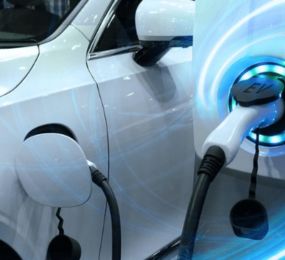
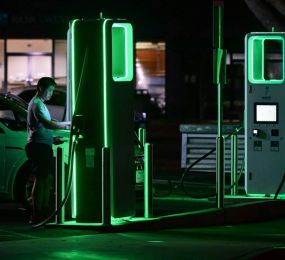
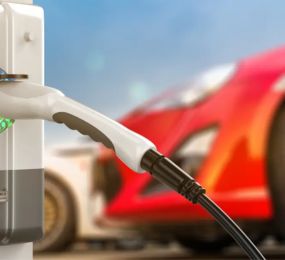
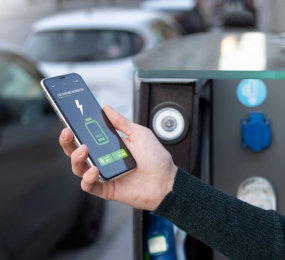
Charging infrastructure is closely tied to battery performance. Fast-charging capability depends not only on charging station capacity but also on battery design. Advances in cell chemistry and cooling systems are improving charging speeds while preserving battery longevity.
Safety standards continue to evolve alongside technological progress. Rigorous testing ensures battery systems can withstand impact, temperature fluctuations, and extreme operating conditions. Regulatory oversight reinforces industry-wide benchmarks for reliability and consumer protection.
EV batteries are more than a power source; they represent the foundation of electric mobility. Their performance influences consumer adoption, vehicle design, and broader decarbonization strategies within the transport sector. As technology advances, batteries will play a defining role in shaping the future of sustainable transportation.
Key Takeaway
EV batteries are central to electric mobility, driving improvements in vehicle range, cost efficiency, safety, and sustainability while shaping the future of global transportation.
Learn more on our website: https://www.leadventgrp.com/event/3rd-annual-electric-vehicle-battery-and-recycling-forum/register
For more information and group participation, contact us: [email protected]
Leadvent Group - Industry Leading Events for Business Leaders!
www.leadventgrp.com | [email protected]









Comment