

Financing Biogas and Biomethane Projects: Trends and Strategies
As the global energy transition accelerates in 2026, biogas and biomethane have emerged as critical "green molecules" for decarbonizing hard-to-abate sectors like heavy industry and long-haul transport. However, moving from pilot to utility-scale requires navigating a complex financial landscape. With the global biogas market projected to exceed $93 billion this year, several key trends and strategies are shaping how these projects reach "bankability."
The Shift Toward Biomethane (RNG)
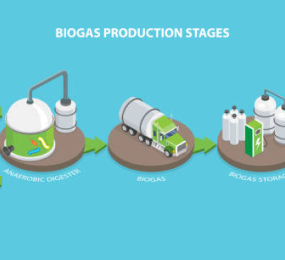
The most significant trend is the strategic pivot from raw biogas (used for local electricity) to high-purity biomethane, often called Renewable Natural Gas (RNG). Because biomethane can be injected into existing gas grids, it attracts a more diverse pool of investors. In Europe alone, over €7.5 billion in investment is allocated for 2025–2026, with a focus on greenfield plants that can meet the rigorous quality standards of national distribution networks.
Modern Financing Strategies
Traditional bank loans are no longer the only game in town. Project developers are increasingly utilizing:
- Project Finance Structures: Using the project's own cash flow—rather than the developer's balance sheet—as collateral. This allows for higher leverage and better risk distribution among stakeholders.
- Green Bonds and Targeted Funds: Large institutional investors and banks, such as the European Investment Bank (EIB), are deploying capital through specialized "Cleantech" funds that bundle smaller projects into larger, more attractive portfolios.
- Revenue Diversification: Beyond gas sales, modern projects secure "bankability" through multiple revenue streams, including tipping fees for waste management, carbon offset credits, and the sale of nutrient-rich digestate as bio-fertilizer.
Overcoming High CAPEX
Despite the growth, high capital expenditure (CAPEX) remains a hurdle compared to solar or wind. Successful strategies now emphasize Technical Due Diligence to mitigate feedstock risks—ensuring a steady, 20-year supply of organic waste. By aligning with government incentives like the U.S. Inflation Reduction Act or the EU's RED III directive, developers can secure the long-term offtake agreements necessary to unlock low-interest debt.
Visit our website to know more: https://www.leadventgrp.com/events/2nd-annual-biogas-biomethane-world-summit/details
For more information and group participation, contact us: [email protected]
Leadvent Group - Industry Leading Events for Business Leaders!




Comment