

Floating Substations: The Deepwater Wind Solution
Offshore wind energy is no longer confined to shallow coastal waters. As renewable energy targets become more ambitious, wind farms are pushing farther from shore and into deeper seas. Here's the challenge: roughly 80% of the world's offshore wind potential sits in waters deeper than 60 meters, where traditional fixed-bottom substations simply won't work. This is where floating offshore wind substations enter this game-changing technology that's opening up vast new frontiers for clean energy generation. This transformation is precisely what Leadvent Group explores through industry-leading forums that bring together the experts shaping offshore power infrastructure.
Understanding Floating Offshore Wind Substations
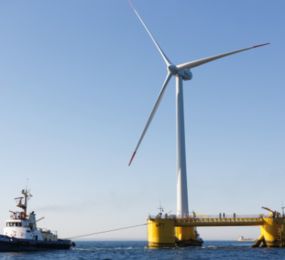
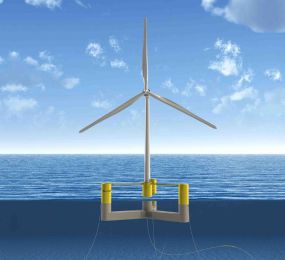
Think of floating offshore wind substations as the vital link between turbines spinning far out at sea and the onshore grid powering homes and businesses. Unlike fixed-bottom platforms bolted to the seabed, these stations float on the water. They rely on semisubmersible designs held steady with mooring systems and heavy anchors. Their purpose is simple but essential. They gather electricity from several turbines, adjust it to the right voltage, and enable offshore wind power transmission back to shore. The real advantage? They can work in waters deeper than 150 meters, where building fixed structures either costs too much or becomes too complicated to pull off.
The Deepwater Advantage
Going further into deeper waters is not just about location; it's the key to tapping into better wind. In areas where water gets deeper than 60 meters, winds blow harder and more, which means increased energy generation. Floating offshore wind platforms make this possible and come with some real perks:
- Lighter construction requirements that reduce material costs and fabrication complexity.
- Simpler installation procedures, even in challenging sea conditions, where fixed structures would struggle.
- Lower decommissioning expenses when projects reach end-of-life.
- Access to prime wind locations farther offshore, where interference is minimal.
The economics make sense, too. While floating technology requires sophisticated engineering, the ability to tap into previously unreachable wind resources offsets the additional complexity, especially as the technology matures and scales up.
Technical Innovations and Challenges
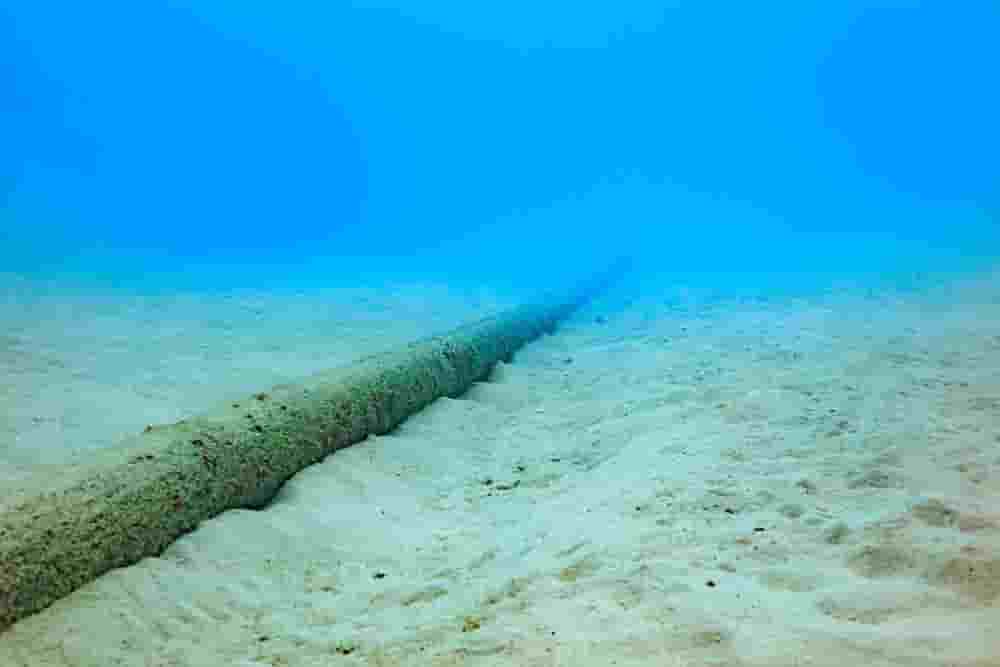
The floating substation sector is advancing rapidly, driven by innovations borrowed from offshore oil and gas platforms and purpose-built solutions for renewable energy. Modular designs make building and assembling easier. Engineers are also working on dynamic cable systems to deal with the constant movement of floating platforms without risking safety or efficiency. Grid integration technologies have evolved to manage the complexities of connecting remote, moving substations to stable onshore networks.
Yet significant challenges remain. Offshore wind power transmission from floating platforms involves addressing tough engineering problems. These range from laying cables through protected marine zones to building dependable communication systems in rough ocean conditions. Maintenance teams must have safe ways to reach platforms, no matter the weather. Connecting multiple floating platforms also means setting up advanced control systems. Cutting costs to make these floating offshore wind substations competitive on a large scale is the hardest part. The industry is tackling these issues through collaboration, joint research projects, and knowledge transfer from adjacent sectors.
The Path to Commercial Viability
Companies have taken floating offshore wind substations past the prototype stage. Across Europe and Asia, demonstration projects are showing these concepts work. Developers in the Americas are now getting ready to launch their own plans. The industry uses decades of offshore oil knowledge, reshaping existing technology to fit renewable energy needs. Growth is speeding up in different regions. Each area is taking an approach that fits, from handling the tough weather in the North Sea to working with the calm Pacific waters.
The path ahead is clear. As more projects begin operation and supply chains grow stronger, floating offshore substations will shift from being creative tests to becoming key parts of deepwater wind farm infrastructure.
Moving the Industry Forward
Floating offshore wind substations represent more than just clever engineering—they're critical enablers for unlocking the full potential of offshore wind energy. As the technology scales and costs decline, these platforms will play an increasingly central role in meeting global renewable energy targets.
The path forward requires continued collaboration across the entire value chain, from designers and fabricators to operators and regulators. That's exactly what Leadvent Group's 2nd Annual Offshore and Floating Substations Forum aims to facilitate. Taking place on November 20, 2025, in London, this premier industry event brings together experts, engineers, and innovators who are shaping the future of offshore power infrastructure. It's where the challenges of today meet the solutions of tomorrow.
Frequently Asked Questions (FAQs)
- What water depths are suitable for floating offshore wind substations?
Such wind substations are designed for waters deeper than 60 meters and can operate effectively in depths exceeding 1,000 meters. This makes them ideal for regions where the continental shelf drops off quickly or where seabed conditions make fixed foundations impractical.
- How do floating offshore wind substations differ from fixed-bottom substations?
The primary difference lies in foundation design. Fixed-bottom substations use steel or concrete structures driven into or anchored to the seabed, limiting them to shallower waters. Floating substations use buoyant platforms with mooring systems, allowing deployment in much deeper waters while requiring different approaches to stability and offshore wind power transmission.
- What are the main challenges in offshore wind power transmission from floating substations?
The main issues include dealing with cables that move with the platform, keeping grid connections steady in tough marine conditions, making the process affordable on a bigger scale, and organizing tricky installation and upkeep jobs in faraway deepwater zones.
- Why are floating offshore wind substations important for the renewable energy transition?
Floating substations give access to 80% of wind resources found in deep waters. This allows nations with steep coasts or less shallow water to tap into large offshore wind potential. It increases the amount of clean energy wind power can offer globally.









Comment
Helen Williams
August 10, 2026
Dear Sir/Madam, I hope this message finds you in great spirits. I am reaching out to request your prompt assistance regarding the purchase of your Products as seen on your site, in alignment with our detailed profile plan and technical specifications.