

Floating Solar Cables and Electrical Systems: Powering the Growth of Floating Photovoltaics
As the global demand for renewable energy continues to grow, floating solar photovoltaic (FPV) systems are emerging as an innovative solution for generating clean electricity while optimizing the use of available land and water resources. Installed on reservoirs, lakes, mining pits, and other water bodies, floating solar projects are gaining momentum worldwide due to their ability to combine renewable energy generation with efficient space utilization.
While solar panels often receive the most attention, the success of floating solar projects depends heavily on the performance of their cables and electrical systems. These critical components ensure that electricity generated on the water can be safely collected, transmitted, and delivered to the grid. Without reliable electrical infrastructure, even the most advanced floating solar installations would struggle to operate efficiently.
Floating solar projects operate in unique environments that present challenges not typically encountered in traditional ground-mounted solar farms. Electrical equipment must withstand continuous exposure to moisture, temperature fluctuations, ultraviolet radiation, wind, waves, and changing water levels. As a result, cables and electrical systems used in floating solar applications require specialized design and engineering.
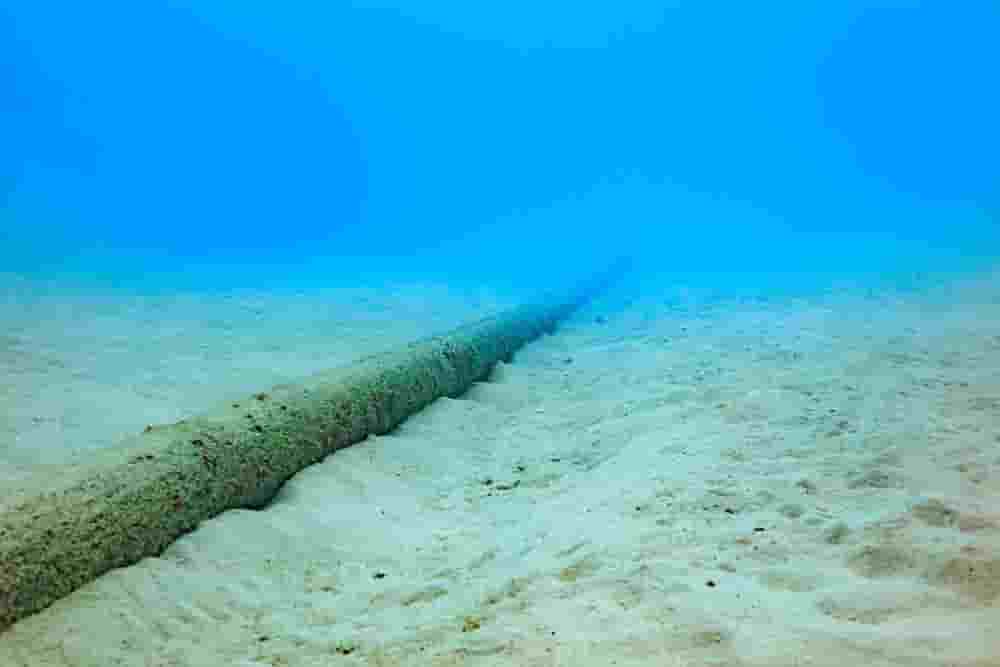
Floating solar cables serve as the backbone of the electrical network within a floating photovoltaic installation. They connect solar modules, inverters, transformers, and grid connection points while maintaining consistent power transmission. Unlike conventional solar cables, floating solar cables must remain flexible and durable while accommodating movement caused by wind, waves, and floating platform dynamics.
Manufacturers design these cables with enhanced insulation and protective materials to resist water ingress, corrosion, and mechanical stress. High-performance jackets and waterproof construction help ensure long-term reliability in demanding aquatic environments. Durability is particularly important because cable failures can lead to costly maintenance activities and energy production losses.
Electrical system design is another crucial aspect of floating solar development. Engineers must carefully consider cable routing, voltage levels, grounding systems, and electrical protection mechanisms to ensure operational safety and efficiency. Proper design helps minimize power losses while maintaining compliance with industry standards and regulatory requirements.
Inverters play a central role in floating solar electrical systems by converting direct current (DC) generated by solar panels into alternating current (AC) suitable for transmission and grid integration. Depending on project size and design, inverters may be installed on floating platforms or located onshore. Both approaches require careful consideration of environmental conditions and maintenance accessibility.
Transformers are also essential for increasing voltage levels before electricity is transmitted to the grid. In larger projects, floating substations may be deployed to support power collection and transmission, reducing cable lengths and improving overall system efficiency.
Safety remains a top priority in floating solar installations. Electrical equipment operating near water requires robust protection measures to prevent faults and ensure safe operation. Ground fault detection systems, insulation monitoring devices, surge protection equipment, and emergency shutdown mechanisms all contribute to a secure operating environment.
As floating solar projects increase in scale, digital monitoring technologies are becoming more common. Advanced monitoring systems provide real-time visibility into cable performance, power output, electrical losses, and equipment health. These tools enable operators to identify issues early, optimize performance, and reduce maintenance costs.
The growing adoption of floating solar is driving innovation across the electrical equipment sector. Manufacturers are developing specialized floating cables, connectors, junction boxes, and power management systems designed specifically for aquatic environments. These innovations are helping improve reliability while reducing installation and operational costs.
Floating solar is increasingly being combined with hydropower facilities and energy storage systems, creating integrated renewable energy solutions. In these hybrid projects, efficient electrical infrastructure becomes even more important as multiple energy sources must be coordinated and managed effectively.
As governments and businesses seek new ways to expand renewable energy capacity, floating solar is expected to play an increasingly important role in the global energy transition. Reliable cables and electrical systems will remain fundamental to the success of these projects, ensuring that clean energy generated on water can be delivered safely and efficiently to consumers.
Takeaway Point:
Floating solar cables and electrical systems are essential for the safe and reliable operation of floating photovoltaic projects, enabling efficient power transmission while withstanding challenging water-based environments.
For more information and group participation, contact us: [email protected]
Leadvent Group - Industry Leading Events for Business Leaders!
www.leadventgrp.com | [email protected]











Comment