

Floating Solar: Expanding Renewable Energy Without Competing for Land
As countries scale up renewable energy, one practical challenge continues to shape project development: land availability. Large solar installations often compete with agriculture, housing, and conservation needs. Floating solar offers a thoughtful alternative by placing photovoltaic systems on water bodies, allowing clean energy generation without increasing pressure on land resources.
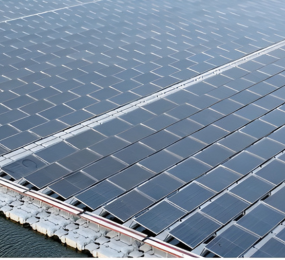
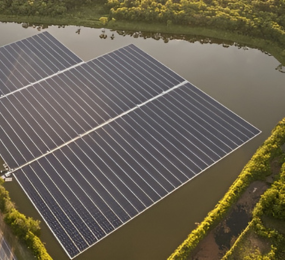
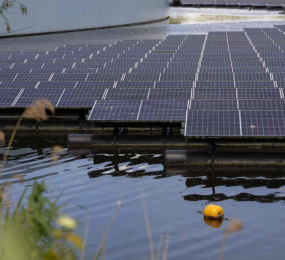
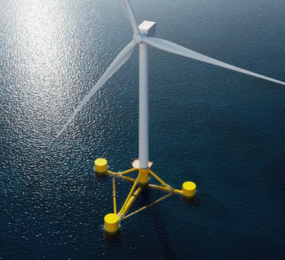
Floating solar systems consist of standard solar panels mounted on buoyant platforms that rest on the surface of reservoirs, lakes, and other calm water bodies. These platforms are anchored to ensure stability while adapting to changes in water level. The technology combines proven solar components with marine engineering practices, making it suitable for both new projects and upgrades to existing infrastructure.
One of the key benefits of floating solar is improved efficiency. Water helps regulate panel temperature, which can enhance performance, particularly in warm climates. Cooler operating conditions often translate into higher electricity output compared to similar land-based systems. In addition, the shade provided by the panels can reduce water evaporation, offering added value in regions facing water scarcity.
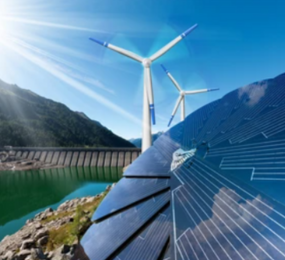
Floating solar also integrates well with existing energy assets. Many projects are installed on hydropower reservoirs, allowing shared use of grid connections, access roads, and maintenance facilities. This approach reduces development costs and supports hybrid power generation, where solar complements hydropower to deliver more balanced and reliable energy supply.
Environmental considerations remain central to project success. Properly designed floating solar installations can help limit algae growth and protect water quality. However, poor site selection or inadequate planning may disrupt aquatic ecosystems or recreational use. Environmental assessments, stakeholder engagement, and long-term monitoring are essential to ensuring that projects deliver net benefits.
Cost is often cited as a challenge. Floating solar systems typically require higher upfront investment than ground-mounted installations due to specialized materials and anchoring systems. That said, costs have been steadily declining as the technology matures and supply chains expand. When land costs, efficiency gains, and water-related benefits are considered, floating solar can be competitive over the long term.
Interest in floating solar is growing across regions with limited available land or high solar potential. Countries in Asia, Europe, and Africa are increasingly adopting the technology as part of broader renewable energy strategies. Rather than replacing
traditional solar, floating installations are being used to complement existing systems and accelerate clean energy deployment.
Floating solar reflects a shift toward smarter use of available space. By turning underutilized water surfaces into energy-producing assets, it supports renewable growth while minimizing land-use conflicts and environmental trade-offs.
Key Takeaway
Floating solar enables renewable energy expansion without competing for land, combining efficient power generation with water conservation and infrastructure flexibility.
Learn more on our website: https://www.leadventgrp.com/event/6th-annual-floating-solar-pv-forum/register
For more information and group participation, contact us: [email protected]
Leadvent Group - Industry Leading Events for Business Leaders!
www.leadventgrp.com | [email protected]




Comment